The Jakarta Post
Please Update your browser
Your browser is out of date, and may not be compatible with our website. A list of the most popular web browsers can be found below.
Just click on the icons to get to the download page.


Popular Reads
Top Results
No results found. Please check your search term and try again
Can't find what you're looking for?
View all search results
Popular Reads
Top Results
No results found. Please check your search term and try again
Can't find what you're looking for?
View all search resultssmoking


Editorial 10 months ago
PREMIUM
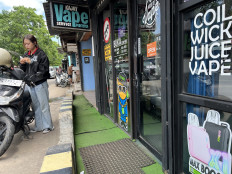
Away from smoking screens
Despite its many advantages, the digital age has also expanded space for promoting tobacco products, exposing users of all ages to smoking via visually appealing content on social media platforms that are short on the economic and health costs of the harmful habit.

Society 1 year ago
PREMIUM
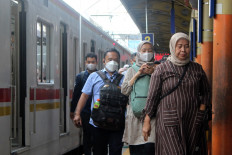
Transportation analysts dismiss smoking car idea
A lawmaker’s quickly dismissed proposal to revive smoking cars on trains has sparked debate over more pressing facilities that should be prioritized in public transportation, such as breast-feeding rooms and expanded spaces for people with disabilities.

Archipelago 1 year ago
PREMIUM
Jakarta floats stricter rules on smoking in public
The governor is fully behind the draft rule, which includes two types of smoke-free zones and contains a raft of clearly defined sanctions that can go up to 50 million (US$3,000) depending on the severity of the offense.

Society 1 year ago
PREMIUM
Government to curb online cigarette ads, protect children's health
The government has committed to curbing online tobacco promotions by forming a special task force to monitor and remove such advertisements, which remain rampant in the digital sphere and pose health risks especially among children and teenagers.
Society 2 years ago
PREMIUM
Government imposes stricter tobacco control amid unchecked youth smoking
A newly issued regulation rolls out stricter sales, marketing and packaging controls on cigarettes and e-cigarettes as part of the government's nationwide clampdown on tobacco use, especially among Indonesian youths.

Academia 2 years ago
PREMIUM
Regulating vape retail market can reduce smoking epidemic
The experience of many countries, as well as the results of many studies, suggest that Indonesian lawmakers might want to consider regulating the domestic vaping market as part of the country's battle against its persistently high smoking prevalence.

Editor's Picks
Popular
- PISA gains belie Indonesia’s persistent education crisis
- Not the Ministry of Magic
- Suahasil seen to prioritize fiscal discipline, continuity
- The benefit of the doubt has expired
- Osama the gamer: A list of Bin Laden’s video games from his hard drive
- Ed Sheeran struggles against Gaza tide
- Another company flees Batam, abandons 1,025 workers
- Indonesian Navy welcomes former Italian warship as its first aircraft carrier
- Is Indonesia returning to fiscal orthodoxy?
- Saudi civil defense sends all-clear after alerts issued for capital Riyadh
Your Opinion Matters
Share your experiences, suggestions, and any issues you've encountered on The Jakarta Post. We're here to listen.
Enter at least 30 characters
0
/ 30
Thank you
Thank you for sharing your thoughts. We appreciate your feedback.


