The Jakarta Post
Please Update your browser
Your browser is out of date, and may not be compatible with our website. A list of the most popular web browsers can be found below.
Just click on the icons to get to the download page.


Popular Reads
Top Results
No results found. Please check your search term and try again
Can't find what you're looking for?
View all search results
Popular Reads
Top Results
No results found. Please check your search term and try again
Can't find what you're looking for?
View all search resultsstate-owned-banks


Academia 3 months ago
PREMIUM
What might government overlook in the DHE regulation?
By shifting the focus from rigid gross export receipts to true, economically retainable value, this analysis challenges the structural assumptions underlying Indonesia's aggressive 100 percent natural resource repatriation policy.

Academia 4 months ago
PREMIUM
Purbaya’s aggressive fiscal shift: Growth at what cost?
Finance Minister Purbaya has pivoted toward an aggressive, pro-growth fiscal strategy that breaks from years of cautious discipline. However, using reserve cash and central bank surpluses to fund this vision may jeopardize Indonesia’s long-term institutional stability and debt credibility.

Politics 1 year ago
PREMIUM
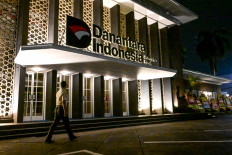
Distrust in Danantara sparks online calls to switch banks
Growing public distrust of the newly formed sovereign wealth fund, Daya Anagata Nusantara (Danantara), has sparked online discussions on switching banks and cash withdrawals, leading analysts to debate the actual risks of a potential bank run or the ensuing economic crisis.


Business 5 years ago
PREMIUM
BCA records net profit dip in 2020 amid higher provisioning, pandemic impact
Bank Central Asia (BCA), Indonesia’s largest privately owned bank, has seen its net profit dip for the first time in at least 16 years as the COVID-19 pandemic affected loan demand and credit repayments.


Business 5 years ago
PREMIUM
State initiated Bank Syariah Indonesia to tap into global sukuk market
After the merger is concluded, Bank Syariah Indonesia is expected to hold Rp 214.6 trillion (US$15.24 billion) in assets with a core capital of Rp 20.4 trillion and the bank could become one of the world’s biggest sharia banks by market capitalization by 2025.
Editor's Picks
Popular
- Recentralization concerns in fiscal, education heighten
- Batam residents protest data centers amid water crisis
- Twenty years on, BRICS faces a defining choice
- Safeguarding Indonesia's AI future
- Crew member from missing Anak Krakatau boat identified
- Court decision tightens House oversight on free meals funding
- Popular discontent is justified. Authoritarianism is not the answer
- Gibran faces fresh challenge over eligibility as VP
- Govt under pressure as 3 million home drive hits cracks
- Indonesia puts peace, UN reform, Global South at center of UNGA agenda


