TheJakartaPost
Please Update your browser
Your browser is out of date, and may not be compatible with our website. A list of the most popular web browsers can be found below.
Just click on the icons to get to the download page.


Popular Reads
No popular reads data found
Top Results
No results found. Please check your search term and try again
Can't find what you're looking for?
View all search results
Popular Reads
No popular reads data found
Top Results
No results found. Please check your search term and try again
Can't find what you're looking for?
View all search resultssupply
Academia 5 days ago
PREMIUM
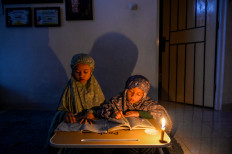
PLN, don't put all your watts in one basket
When a single broken wire darkens five provinces, the problem isn't the weather, it's an outdated, centralized grid architecture. Indonesia must ditch its fragile reliance on mega-scale coal and embrace decentralized renewables before the next inevitable storm cuts the power again.
Regulations 1 week ago
PREMIUM
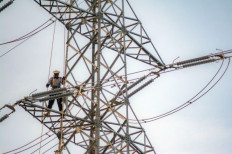
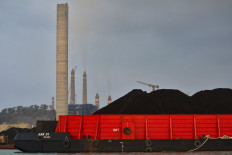
Govt may increase coal price cap to address PLN supply shortage
Energy and Mineral Resources Minister Bahlil Lahadalia previously revealed a significant 20-million-tonne coal supply gap for PLN that remains uncontracted this year, raising fresh concerns about national energy security.
Academia 2 months ago
PREMIUM
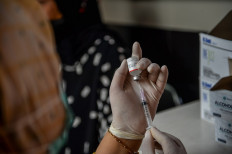
Questions on COVID-19 that are unsatisfactorily answered (part 2)
As the world moves on from COVID-19, are we ignoring the structural failures and ethical lapses that defined the pandemic? This sharp critique demands transparency from Big Pharma and global leaders to ensure that "business as usual" doesn’t lead us into the next catastrophe.
Academia 2 months ago
PREMIUM
Global oil shocks and fiscal pressures: Indonesia’s next crisis?
Indonesia’s fiscal resilience is facing a high-stakes stress test as rising global oil prices collide with rigid domestic spending. While a crisis is not yet inevitable, the narrowing gap between political commitments and economic reality suggests the window for decisive action is closing.
Academia 2 months ago
PREMIUM
Iran’s oil windfall amid war exposes a broken energy order
While conflict is designed to weaken adversaries, the current crisis has inadvertently turned Iran into a primary beneficiary of a broken energy order. As global prices soar and supply chains fracture, the resulting economic shock waves are no longer just a Middle Eastern concern: They are hitting every household and industry across ASEAN.