The Jakarta Post
Please Update your browser
Your browser is out of date, and may not be compatible with our website. A list of the most popular web browsers can be found below.
Just click on the icons to get to the download page.


Popular Reads
Top Results
No results found. Please check your search term and try again
Can't find what you're looking for?
View all search results
Popular Reads
Top Results
No results found. Please check your search term and try again
Can't find what you're looking for?
View all search resultstraffic-jam
Jakarta 2 weeks ago
PREMIUM
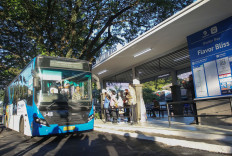
Jakarta transit grows, but Greater Jakarta stays disconnected
Jakarta’s public transportation system is seeing rising ridership across major modes this year, signaling growing demand for reliable mass transit, but experts say its potential remains largely untapped without better connections to the thousands of housing developments across Greater Jakarta.
Academia 3 months ago
PREMIUM
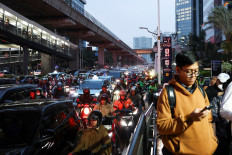
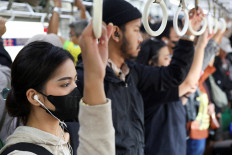
Indonesia plans for where people sleep, not where they live their day
As the administrative boundaries of Indonesia's urban areas blur, millions of people are having to pay a silent "metropolitan tax" that is measured not in currency but in hours of their lives surrendered to daily commutes.
Archipelago 6 months ago
PREMIUM
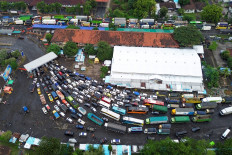
Holiday rush sparks 36-km traffic jam at Bali’s Gilimanuk Port
Vehicle lines leading to the port stretched up to 36 kilometers on Sunday and 15 km on Monday, forcing many travelers to wait up to 20 hours to cross the strait, with some even spending the night inside their cars.
Jakarta 1 year ago
PREMIUM
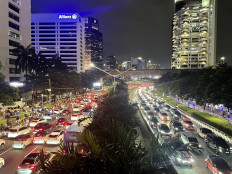
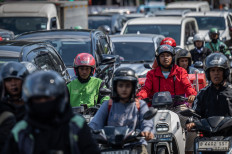
Councillor, urban experts urge road map to resolve Jakarta traffic
Policy inconsistencies, ad hoc measures and social factors like the perceived prestige of private vehicles are just some of the speed bumps on Jakarta's road to becoming a global city, according to a local official and urban experts.
Jakarta 1 year ago
PREMIUM
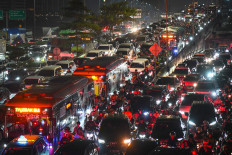
Cars over people? Sidewalk cuts in South Jakarta draw backlash
The Jakarta administration’s plan to trim sidewalks along the heavily congested TB Simatupang road in South Jakarta has sparked widespread criticism, with critics warning it undermines pedestrian rights and contradicts the city’s vision of becoming a “global city”.
Archipelago 1 year ago
PREMIUM
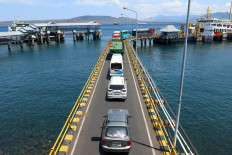
Extreme congestion chokes Ketapang Port following ferry safety crackdown
The traffic jam leading to Ketapang Port stretched at least 5 kilometers on Monday, 9 km on Sunday and around 25 km on Friday. At its worst, on July 25, the congestion extended 42 km, reaching as far as Badjulmati Dam in Situbondo Regency.

Editor's Picks
Popular
- Not the Ministry of Magic
- PISA gains belie Indonesia’s persistent education crisis
- Safeguarding Indonesia's AI future
- Recentralization concerns in fiscal, education heighten
- Suahasil seen to prioritize fiscal discipline, continuity
- Jakarta water shortages worsen as dry season drags on
- Twenty years on, BRICS faces a defining choice
- Hundreds of flights cancelled as Typhoon Dujuan nears Japan
- Court decision tightens House oversight on free meals funding
- Indonesia doing 'everything' but struggling to curb fires


