The Jakarta Post
Please Update your browser
Your browser is out of date, and may not be compatible with our website. A list of the most popular web browsers can be found below.
Just click on the icons to get to the download page.


Popular Reads
Top Results
No results found. Please check your search term and try again
Can't find what you're looking for?
View all search results
Popular Reads
Top Results
No results found. Please check your search term and try again
Can't find what you're looking for?
View all search resultstsunami-in-indonesia

Society 1 year ago
PREMIUM
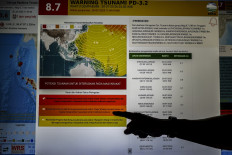
Discourse: Flexible, rapid decision-making at heart of 2004 tsunami response
Despite the heavy toll, the 2004 Indian Ocean earthquake and tsunami hitting Indonesia and dozens of other countries has become a wake-up call for nations to prepare for tsunamis as well as an example of how the world can work together to rebuild after disasters.
Society 1 year ago
PREMIUM
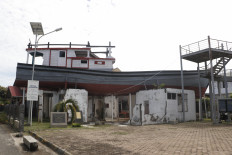
Death and rebirth: Aceh marches on, slowly, after 2004 tsunami
Two decades have passed since the deadliest earthquake and tsunami in modern history hit Indonesia’s westernmost province. Many wounds linger and are hard to heal, but Aceh has moved on, slowly but surely rising up from the disaster.
National 5 years ago
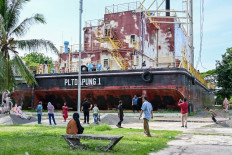
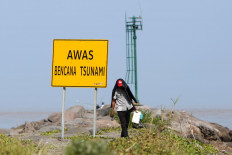
Tsunami technology worth little without community action: BMKG
BMKG head Dwikorita Karnawati said cultural competence with regard to crisis response, especially among residents and administrators in tsunami-prone areas, was a critical component in easing the impact of natural disasters in the future.
Environment 6 years ago
PREMIUM
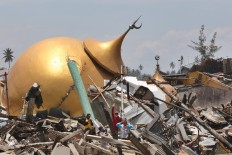
Indonesia awash with disinformation following disasters
As natural disasters continue to affect the lives of Indonesians, the importance of equipping them and the responding agencies with tools to navigate the increasingly complex digital climate is more crucial now than ever.
National 6 years ago
PREMIUM
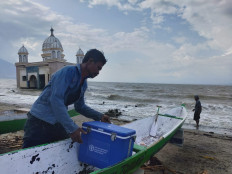
Indonesia to build tsunami wall in Palu. Observers say it won't work
As Palu and its surrounding areas are rebuilding themselves brick by brick, the government has hatched a plan to build a seawall along the beaches facing the bay, intended as protection against incoming tsunami waves.
Editor's Picks
Popular
- Popular discontent is justified. Authoritarianism is not the answer
- Recentralization concerns in fiscal, education heighten
- Govt under pressure as 3 million home drive hits cracks
- Safeguarding Indonesia's AI future
- Power exports to Singapore hinge on regulatory clarity
- Indonesian wildfires threaten critically-endangered orangutan: IUCN
- Indonesia signs UN treaty to combat, prevent cybercrime
- Death toll from Java Sea ferry sinking jumps to 64
- BI to expand QRIS to Timor Leste, Hong Kong
- Trump rejects Iran proposal for deal to reopen Hormuz


