The Jakarta Post
Please Update your browser
Your browser is out of date, and may not be compatible with our website. A list of the most popular web browsers can be found below.
Just click on the icons to get to the download page.


Popular Reads
Top Results
No results found. Please check your search term and try again
Can't find what you're looking for?
View all search results
Popular Reads
Top Results
No results found. Please check your search term and try again
Can't find what you're looking for?
View all search resultsAustralia and Japan sign agreements on energy and critical minerals
After signing a landmark defence deal last month, the two nations agreed to strengthen energy, food and critical minerals supply chains.
Change text size
Gift Premium Articles
to Anyone
Share the best of The Jakarta Post with friends, family, or colleagues. As a subscriber, you can gift 3 to 5 articles each month that anyone can read—no subscription needed!
 Set as preferred source
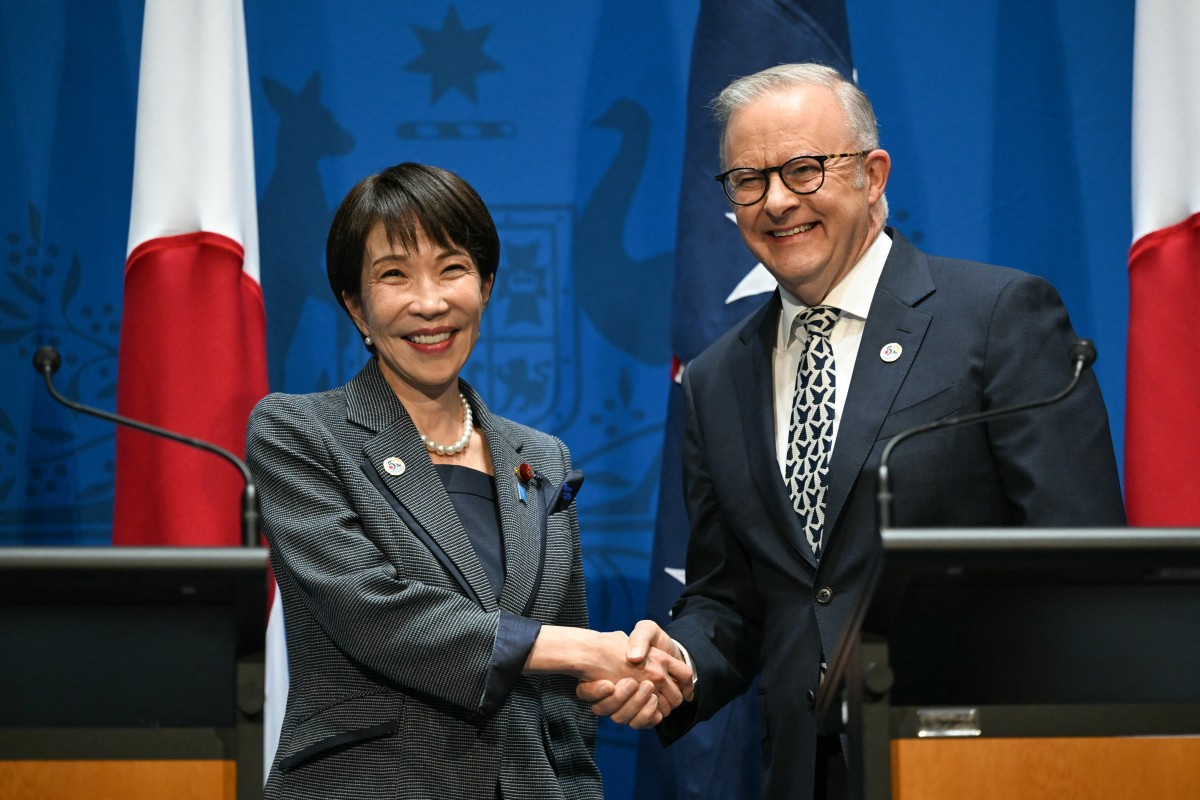 Australia's Prime Minister Anthony Albanese (right) shakes hands with Japan's Prime Minister Sanae Takaichi after speaking to the press at Parliament House in Canberra on May 4, 2026. (AFP/Saeed Khan)
A
ustralia and Japan agreed on Monday to deepen cooperation on energy and critical minerals, as Japan Prime Minister Sanae Takaichi met Australian counterpart Anthony Albanese during a three-day visit to the country.
After signing a landmark defence deal last month, the two nations agreed to strengthen energy, food and critical minerals supply chains.
"Australia and Japan are taking action to protect our economies from future economic shocks and uncertainty," Albanese said in a statement.
"By working together, we will achieve more secure and resilient supply chains that will benefit Australian and Japanese businesses and consumers now and into the future."
Australia provides approximately one-third of Japan’s energy supply, and is the country's largest market for liquefied natural gas.
Both nations have been attempting to shore up energy supply as tensions in the Middle East strangle trade. Japanese firmshavealso been closely watching developments in the Australian LNG industry, from the risk of strikes at a major gas facility and rising political pressure to increase taxes on exports.
"Like Japan, we are very concerned by disruptions to the supply of liquid fuels and refined petroleum products," Albanese said on Monday.
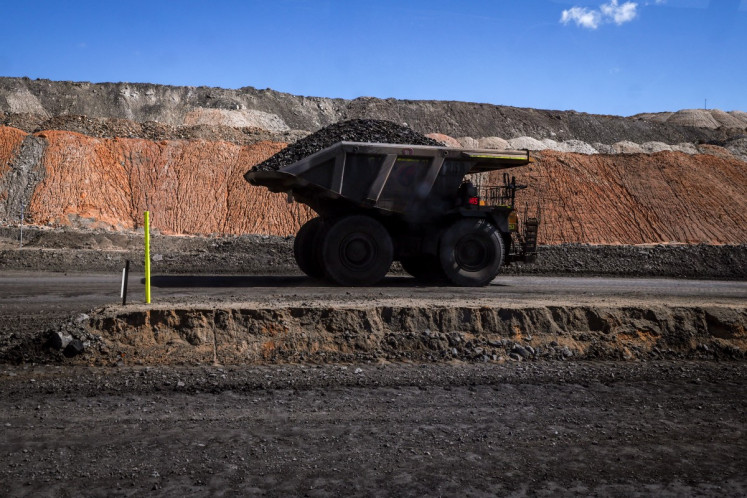
Australia also plans to provide support of up to A$1.3 billion ($937 million) to critical mineral projects with Japanese involvement, creating the potential to supply Japan with resources including gallium, nickel, graphite, rare earths and fluorite.
Takaichi arrived in Australia from Vietnam, where she discussed energy and critical minerals and urged Southeast Asian nations to bolster regional supply chains.
Last month, Japan signed contracts launching a A$10 billion ($7 billion) deal to supply Australia with warships in Tokyo's most significant military sale since ending a ban on such exports in 2014.
Australia has touted its abundant critical minerals as a way to loosen China's grip over global supplies of rare earths.
Australia and Japan have strengthened their defence ties, too, striking a Aus$10 billion (US$6 billion) deal last year for Japan to to provide Mogami-class stealth warships to the Australian navy.
In a foreign policy address delivered in Vietnam at the weekend, Takaichi promised to do more to ensure a "free and open Indo-Pacific" -- a strategy that has rankled China.
Japan aimed to build its resilience, she said, notably strengthening its supply chains for energy and critical minerals, and enhancing security cooperation.