TheJakartaPost
Please Update your browser
Your browser is out of date, and may not be compatible with our website. A list of the most popular web browsers can be found below.
Just click on the icons to get to the download page.


Popular Reads
Top Results
No results found. Please check your search term and try again
Can't find what you're looking for?
View all search results
Popular Reads
Top Results
No results found. Please check your search term and try again
Can't find what you're looking for?
View all search resultsNo immediate downgrade if RI deficit tops 3% amid Iran war: Fitch
The credit rating agency noted that there was a risk the government might substantially relax its fiscal and monetary policies to achieve President Prabowo Subianto's ambitious 8 percent growth target.
Change text size
Gift Premium Articles
to Anyone
Share the best of The Jakarta Post with friends, family, or colleagues. As a subscriber, you can gift 3 to 5 articles each month that anyone can read—no subscription needed!
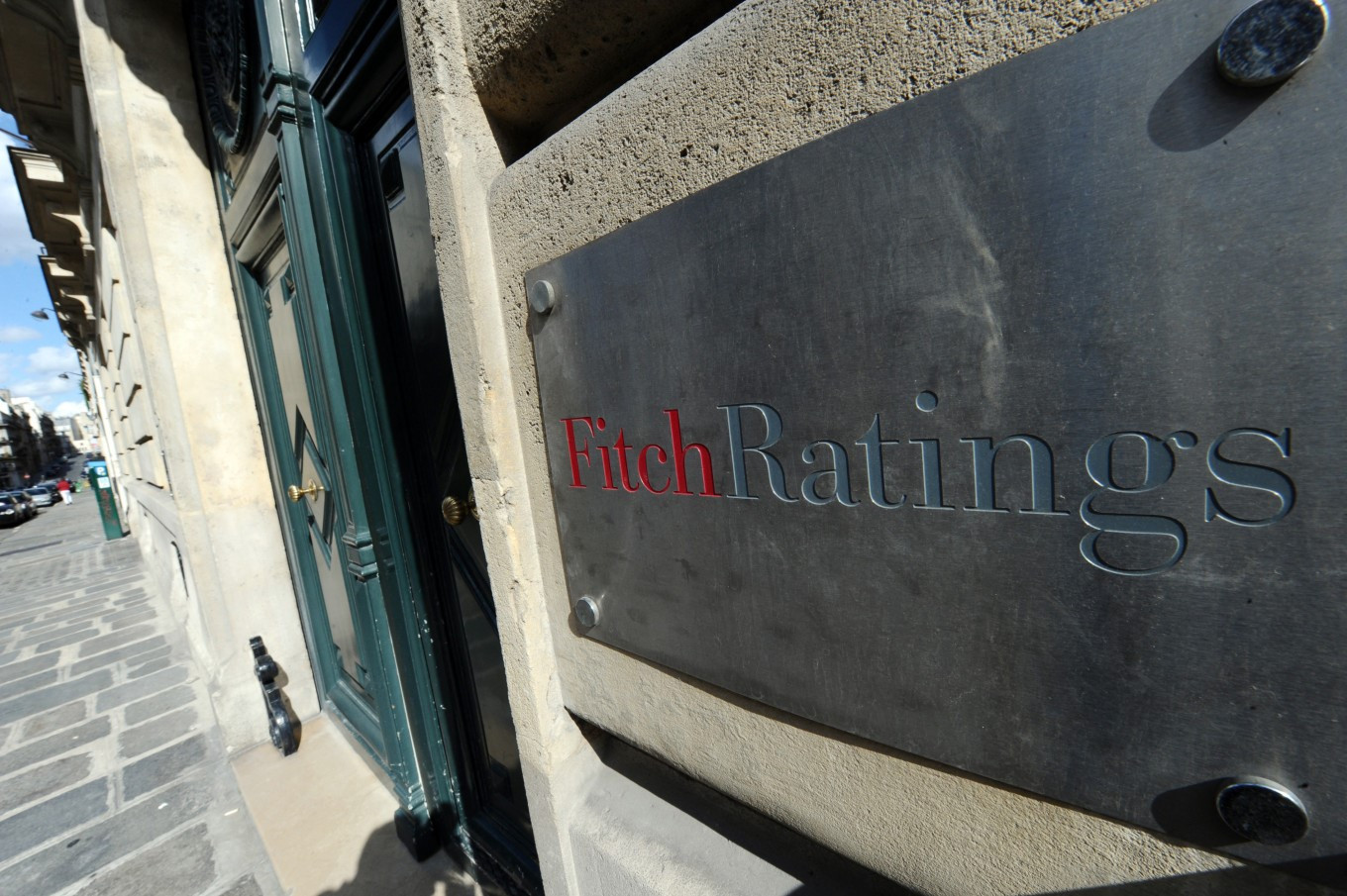 A picture shows the entrance of Fitch ratings agency on Aug. 8, 2011, in Paris. (AFP/Miguel Medina)
I
ndonesia has room to breach its legal fiscal deficit ceiling of 3 percent of GDP without triggering an immediate ratings downgrade, as long as it is only a temporary response to economic disruptions caused by the war in the Middle East, a director with Fitch Ratings said on Thursday.
Fitch Ratings last month cut Indonesia's credit rating outlook to negative from stable, citing increasing uncertainty and weakened policymaking credibility, one of a string of setbacks in 2026 for Southeast Asia's largest economy.
The downgrade did not take into account the impact of the Iran war, which has further complicated fiscal risks, with the government's pledge not to raise fuel prices already leading to ballooning subsidy costs.
"If they communicate with the market very clearly with a very committed fiscal consolidation path going forward, I don't think that will trigger an imminent downgrade," said George Xu, sovereign ratings director at Fitch, speaking to Reuters on the sidelines of the agency's annual Indonesia conference in Jakarta.
Policymakers have discussed the potential for a wider deficit because of the war, including a shortfall of 4 percent of GDP. The baseline scenario for the 2026 fiscal gap stands at 2.9 percent, below the mandated 3 percent cap but wider than an earlier 2.7 percent estimate.
Officials have insisted they would not breach 3 percent amid fears of further backlash from investors. But for Fitch, a hypothetical one-year waiver of the ceiling would not immediately trigger a downgrade, Xu said.

However, if authorities run a sustained higher deficit over the long term, this could lead to a deterioration of credit fundamentals and trigger a downgrade.
"If the government basically uses (the war) as an opportunity to pursue a much higher deficit for a longer term, we will basically reassess the debt ratios trajectory [...] and that will lead to a negative rating action," he said.
Risk of substantial relaxation of fiscal, monetary policy
Speaking about Fitch's earlier downgrade, Xu said with limited structural reforms in the pipeline, there was a risk the government might substantially relax its fiscal and monetary policies to achieve President Prabowo Subianto's ambitious 8 percent growth target.
Fitch will also monitor ways in which the government could circumvent the deficit ceiling, including the use of Prabowo's new state asset fund Danantara to carry out public spending.
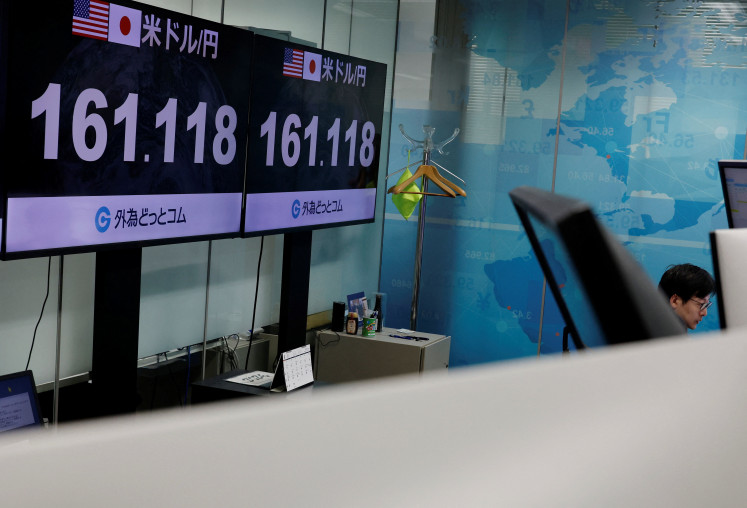
On the monetary front, Xu said the expansion of the central bank's remit to support economic growth was also a concern and could distract it from the task of stabilizing the rupiah, which hit a record low of 17,320 a dollar on Thursday.
Under a bill currently being considered by parliament, Bank Indonesia's mandate could be widened to promote growth in the real economy and job creation.
"That just complicates their policy mandates and increases the risk of policy missteps," Xu said.