TheJakartaPost
Please Update your browser
Your browser is out of date, and may not be compatible with our website. A list of the most popular web browsers can be found below.
Just click on the icons to get to the download page.


Popular Reads
Top Results
No results found. Please check your search term and try again
Can't find what you're looking for?
View all search results
Popular Reads
Top Results
No results found. Please check your search term and try again
Can't find what you're looking for?
View all search resultsThe critical-minerals race is putting the planet at risk
Reducing material consumption, especially in developed countries, remains the most effective way to protect vital ecosystems and prevent the long-term harms that extraction inevitably causes.
Change text size
Gift Premium Articles
to Anyone
Share the best of The Jakarta Post with friends, family, or colleagues. As a subscriber, you can gift 3 to 5 articles each month that anyone can read—no subscription needed!
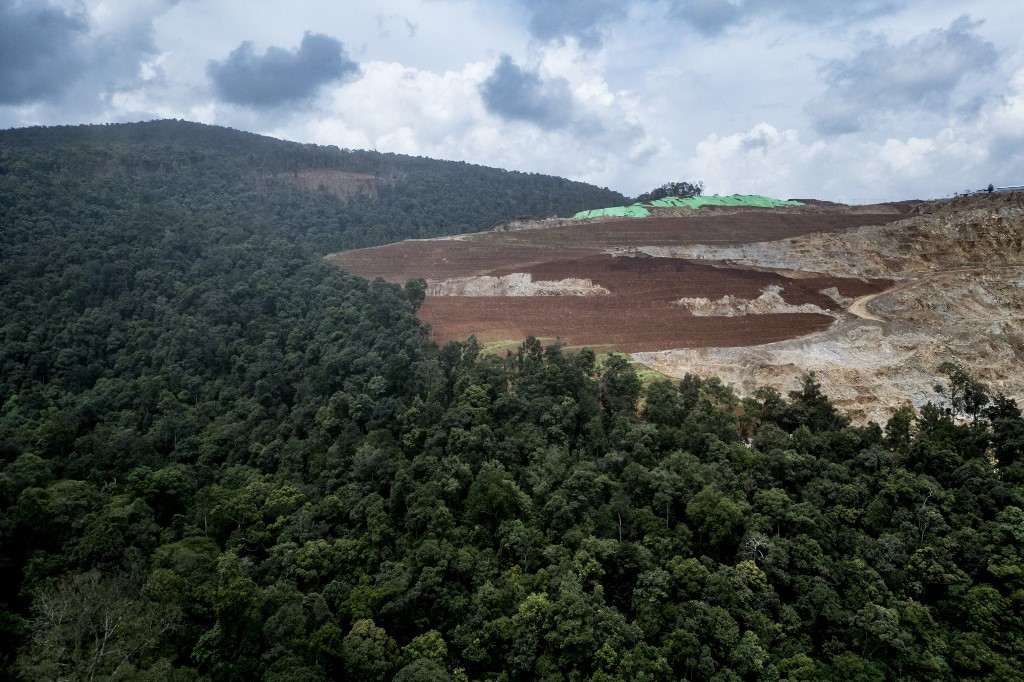 This aerial photo, taken on April 16, shows a nickel mining site at the edge of a forested area where the Hongana Manyawa indigenous tribe regularly patrols to monitor mining activity in East Halmahera, North Maluku. (AFP/-)
T
he environmental and human toll of mineral extraction is becoming clearer, and more alarming, by the day. Roughly 60 percent of Ghana’s waterways are now heavily polluted due to gold mining along riverbanks. In Peru, many communities have lost access to safe drinking water after environmental protections were weakened, and regulatory controls were suspended to facilitate new mining projects, contaminating even the Rímac River, which supplies water to the capital, Lima.
These environmental crises are exacerbated by deepening inequality and social divides in many mining-dependent countries. The Global Atlas of Environmental Justice has documented more than 900 mining-related conflicts around the world, about 85 percent of which involve the use or pollution of rivers, lakes and groundwater.
Against this backdrop, major economies are rapidly reshaping resource geopolitics. The United States, while attempting to stabilize the fossil-fuel-based global economy, is also scrambling to secure the minerals it needs for electric vehicles, renewable energy, weapons systems, digital infrastructure and construction, often through coercion and aggressive negotiating tactics. In its quest to reduce dependence on China, which dominates the processing of rare-earth elements, environmental and humanitarian considerations are increasingly brushed aside.
Saudi Arabia is likewise positioning itself as a rising power in the minerals sector as part of its efforts to diversify away from oil, forging new partnerships, including with the US, and hosting a high-profile mining conference. At the same time, Saudi Arabia is actively undermining progress in other multilateral fora, including this year’s United Nations Climate Change Conference in Brazil (COP30) and the ongoing pre-negotiations of the UN Environment Assembly (UNEA7).
In Europe, industry groups are lobbying for further deregulation, with fossil-fuel companies like ExxonMobil, TotalEnergies, and Siemens using misleading tactics to undermine newly established mechanisms designed to protect the rights of communities in resource-producing regions. We should be worried that the companies and countries which helped drive global warming, environmental degradation and human-rights abuses now seek to dominate the mineral sector. Allowing them to do so will put all of humanity, not just vulnerable populations, at risk.
Governments must not remain passive. They must reclaim responsibility for steering the primary driver of mining expansion: demand. Reducing material consumption, especially in developed countries, remains the most effective way to protect vital ecosystems and prevent the long-term harms that extraction inevitably causes.

Yet despite overwhelming evidence that ramping up resource extraction threatens water supplies and public safety, governments around the world are weakening environmental protections in a bid to lure foreign investment, thereby endangering the very ecosystems that sustain all life on Earth. From an economic perspective, this approach is profoundly short-sighted.