TheJakartaPost
Please Update your browser
Your browser is out of date, and may not be compatible with our website. A list of the most popular web browsers can be found below.
Just click on the icons to get to the download page.


Popular Reads
Top Results
No results found. Please check your search term and try again
Can't find what you're looking for?
View all search results
Popular Reads
Top Results
No results found. Please check your search term and try again
Can't find what you're looking for?
View all search resultsWhy rules of corporate reputation are still ignored in Indonesia
Reputation now sits at the heart of how the public understands corporate power and responsibility.
Change text size
Gift Premium Articles
to Anyone
Share the best of The Jakarta Post with friends, family, or colleagues. As a subscriber, you can gift 3 to 5 articles each month that anyone can read—no subscription needed!
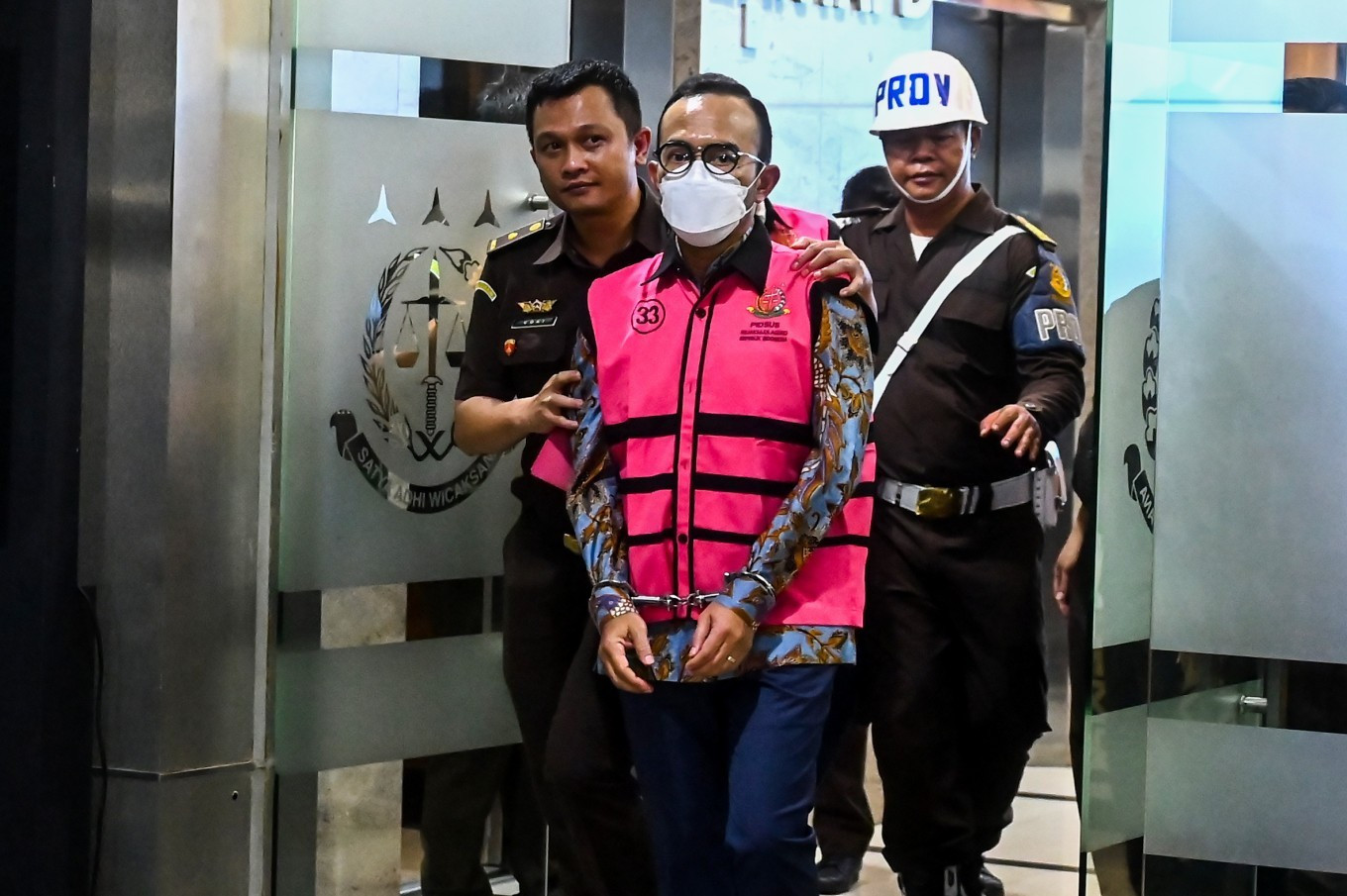 Riva Siahaan, the president director of PT Pertamina Patra Niaga, the commercial arm of state-owned oil and gas giant Pertamina, is detained on Feb. 25 after being named a suspect in a corruption case by the Attorney General's Office (AGO) in Jakarta. (Antara Foto/Rivan Awal Lingga)
C
orporate reputation is no longer an abstract concept in Indonesia. In an era of instant headlines and viral outrage, it has become a measurable asset, shaping how companies attract customers, investors and even employees. Yet many Indonesian firms still treat communication as something reactive. A tool for crisis, not a pillar of strategy.
This gap matters because reputation increasingly shapes investment, policy and sustainable development. In a country that aims to attract green and digital capital, reputational risk can translate directly into financial and social cost. The question is no longer whether communication influences performance, but how companies use it to align words with action.
A recent backlash against mining giant PT Freeport Indonesia’s sponsorship of music festival Pestapora in Jakarta shows how easily that alignment breaks. The attempt to appear progressive and connected to youth culture instead reignited questions about environmental and social practices. The reaction was swift because Indonesians saw a gap between message and reality and in a hyper-connected society, that gap rarely stays private.
The lesson is not simply that companies must avoid controversy. It is that reputation now sits at the heart of how the public understands corporate power and responsibility. In the past, strong financial results or large-scale philanthropy might have been enough to secure goodwill. Today, credibility depends on communication that feels consistent and transparent.
This evolution mirrors Indonesia’s broader economic story. As the country pursues sustainable growth through its Sustainable Development Goals (SDG) agenda and energy transition, communication has become a form of soft infrastructure. Credibility, transparency and empathy are no longer “PR values”. They are prerequisites for trust, both domestically and internationally.
According to DataReportal’s 2025 Indonesia Digital Report, over 212 million Indonesians or roughly 75 percent of the population, are now online, with three hours spent daily on social media. More than 80 percent say they trust peer commentary and online reviews as much as traditional news. This means corporate reputation lives entirely in public view, evolving through constant dialogue between businesses, consumers and civil society.

State-owned oil and gas giant Pertamina learned this the hard way when a massive corruption scandal involving fuel import manipulation surfaced earlier this year. Investigators estimated the cost to the state at nearly Rp 194 trillion (around US$12 billion). The revelations triggered public anger and raised uncomfortable questions about governance. They responded quickly with internal reviews and public apologies, but the episode reminded Indonesians that reputation damage is not only a matter of communication. It’s a question of accountability. Once trust is broken, rebuilding it requires far more than press releases.