TheJakartaPost
Please Update your browser
Your browser is out of date, and may not be compatible with our website. A list of the most popular web browsers can be found below.
Just click on the icons to get to the download page.


Popular Reads
Top Results
No results found. Please check your search term and try again
Can't find what you're looking for?
View all search results
Popular Reads
Top Results
No results found. Please check your search term and try again
Can't find what you're looking for?
View all search resultsAnalysis: Current account surplus in Q3 2025 undercut by capital outflows
Change text size
Gift Premium Articles
to Anyone
Share the best of The Jakarta Post with friends, family, or colleagues. As a subscriber, you can gift 3 to 5 articles each month that anyone can read—no subscription needed!
 Set as preferred source
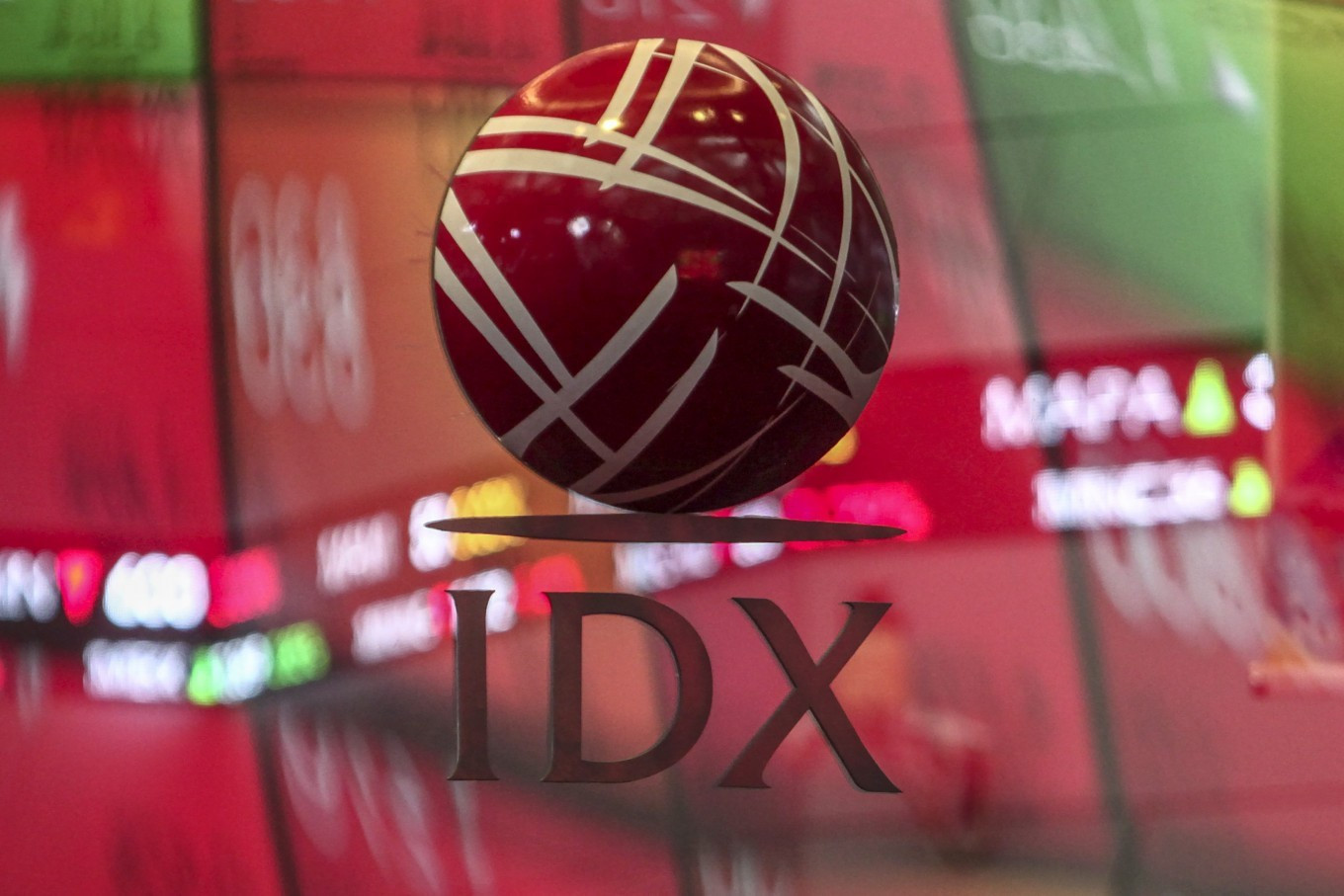 The Indonesia Stock Exchange (IDX) logo is pictured at the bourse's Jakarta building. (JP/Seto Wardhana)
I
ndonesia's current account balance returned to a surplus in the third quarter (Q3) of 2025, but the improvement was overshadowed by one of the sharpest capital outflows in recent years. Bank Indonesia (BI) reported that the current account swung into a surplus of US$4 billion, or 1.1 percent of GDP, the first surplus in 10 months. However, this gain was more than offset by a steep financial account deficit of US$8.1 billion. As a result, Indonesia posted an overall balance of payments deficit of US$6.4 billion in Q3.
While Indonesia experienced stable foreign capital inflows in Q1 and Q2, the trend reversed in Q3. This shift was not unique to Indonesia, as foreign investors pulled out from much of the Asian market; net bond sales across Indonesia, Malaysia, Thailand, India and South Korea reached US$5.48 billion in September, the highest level since March 2022. Indonesia, however, faced the highest pressure, with foreign outflows hitting US$4.6 billion, the largest monthly sell-off since at least 2016.
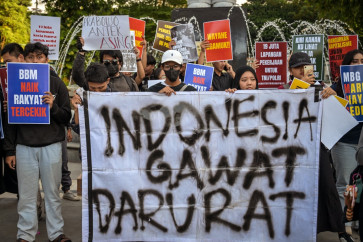
While it is difficult to attribute the mass sell-off to a single cause, the political and economic turbulence between August and September likely played a significant role, culminating in a surge of Indonesian bond outflows in the final week of September. The government released the 2026 state budget draft (RAPBN) in mid-August, which proposed a substantial 25 percent reduction in regional transfers for the coming year. Anticipating the fiscal squeeze, regional governments announced steep property tax hikes, sparking widespread public protests across the country.
At the time, there were also reports of House of Representatives members taking home more than Rp 100 million (US$6,000) a month, on top of a controversial Rp 50 million housing allowance, which drew a contrast that led to public criticism as the administration simultaneously called for austerity measures. Public anger intensified when videos of House members singing and dancing went viral.
Large demonstrations erupted in front of the House on Aug. 26, and clashes broke out as police attempted to disperse the crowd. Tensions escalated further during renewed protests on Aug. 28, when Affan Kurniawan, a ride-hailing motorcycle transportation driver, was struck and killed by a police armored vehicle. His death, widely circulated on social media, transformed the movement from a dispute over lawmakers' benefits and political insensitivity into a broader outcry against state violence.
In several provinces, crowds stormed local government offices and clashed with police after sudden spikes in local tax assessments were announced. Demonstrations in major cities intermittently shut down public transportation and forced the temporary closure of schools, shopping centers and even some industrial parks. As the unrest intensified, local authorities declared states of emergency in multiple districts, and the National Police were deployed to reinforce overwhelmed regional forces. International media coverage of the riots, showing road blockades, arson attacks and mass detentions, further amplified perceptions of political instability.

The government would eventually revise the RAPBN 2026 in September, raising regional transfers significantly but this also naturally raised the projected budget deficit, which widened from 2.48 percent to 2.68 percent of GDP. The combination of widespread civil unrest and the heightened fiscal risk signaled by the RAPBN revision unnerved foreign investors, triggering the mass bond sellouts.