The Jakarta Post
Please Update your browser
Your browser is out of date, and may not be compatible with our website. A list of the most popular web browsers can be found below.
Just click on the icons to get to the download page.


Popular Reads
Top Results
No results found. Please check your search term and try again
Can't find what you're looking for?
View all search results
Popular Reads
Top Results
No results found. Please check your search term and try again
Can't find what you're looking for?
View all search resultsThe imperative for a comprehensive disaster risk reduction
Disaster risk reduction should be embedded in policymaking, especially industrial and spatial planning, to prevent economic activities from damaging the environment and thereby exacerbating the impacts of future calamities.
Change text size
Gift Premium Articles
to Anyone
Share the best of The Jakarta Post with friends, family, or colleagues. As a subscriber, you can gift 3 to 5 articles each month that anyone can read—no subscription needed!
 Set as preferred source
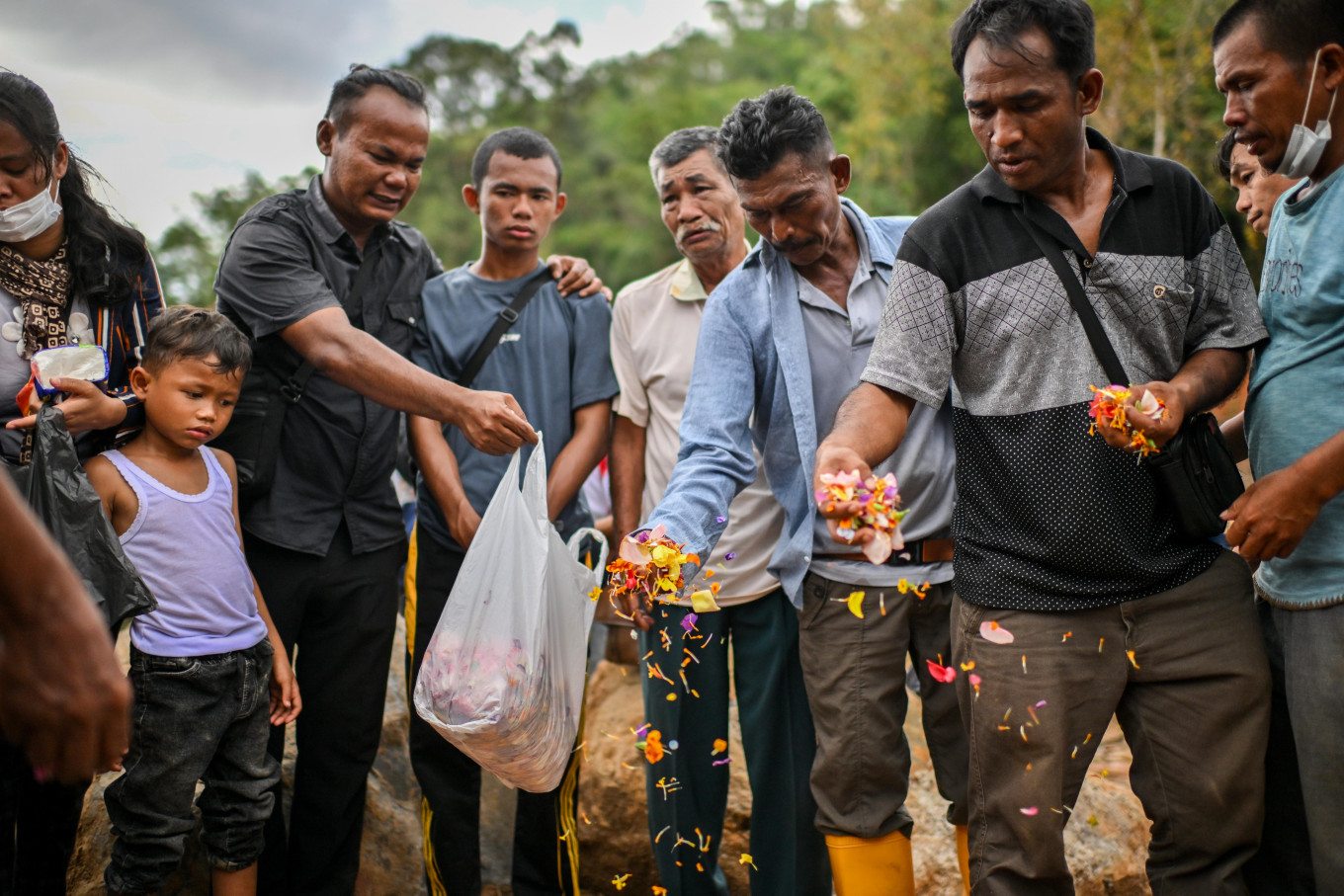 Local residents and families of people who went missing in the recent flash floods and landslides scatter flowers during a symbolic burial service on Dec. 23, 2025, in Hutanabolon, a subdistrict of Tukka district in Central Tapanuli regency, North Sumatra. (Antara/Rivan Awal Lingga)
T
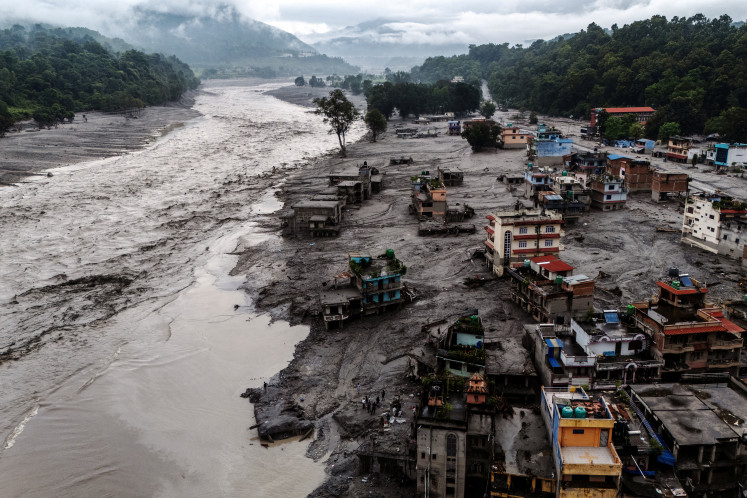
he recent flooding that affected three provinces in northern Sumatra exposed how weak land use policies, particularly those related to mining and palm oil activities, magnified the scale and severity of the disaster.
It is deeply troubling that the Sumatra flooding has likely claimed more than 1,000 lives. This raises serious questions about failures in anticipation, preparedness and mitigation efforts across the affected provinces.
Disaster risk reduction cannot be treated as a stand-alone agenda. It must be situated within the broader context of Indonesia’s economic transition and should combine green industrial policy, appropriate fiscal incentives and coordinated sectoral transition strategies.
Indonesia’s economic growth has long relied on natural resources, especially the mining and palm oil sectors. These activities generate significant export earnings but also impose substantial economic and, more critically, environmental risks. A narrow accounting of these sectors based on gross domestic product (GDP) obscures the unpriced environmental degradation they cause and the heightened disaster risks they create.
In 2024, the mining and quarrying sector accounted for up to 12 percent of GDP. Palm oil alone contributed approximately 4.5 percent of GDP and provided employment to around 3 million people. However, a substantial body of academic and policy literature links palm oil expansion to extensive land conversion, both legal and illegal, which increases the risk of flooding, wildfires and conflict with local communities.
The cyclone that made landfall on Sumatra in late November produced extreme rainfall and flash floods. Many observers pointed to large-scale land conversion as a key factor that transformed an increasingly frequent climatic event into a mass casualty disaster. Reduced water absorption capacity led to rapid runoff, amplifying flood intensity.

There is thus a clear link between commodity-driven land use, the externalization of climate risks and the human toll of disasters. Ultimately, communities and the state bear the costs.