TheJakartaPost
Please Update your browser
Your browser is out of date, and may not be compatible with our website. A list of the most popular web browsers can be found below.
Just click on the icons to get to the download page.


Popular Reads
Top Results
No results found. Please check your search term and try again
Can't find what you're looking for?
View all search results
Popular Reads
Top Results
No results found. Please check your search term and try again
Can't find what you're looking for?
View all search resultsMaduro shows Prabowo why repression at home weaken sovereignty abroad
The erosion of domestic legitimacy created the very opening through which external power could intervene, moralize and ultimately dominate the narrative.
Change text size
Gift Premium Articles
to Anyone
Share the best of The Jakarta Post with friends, family, or colleagues. As a subscriber, you can gift 3 to 5 articles each month that anyone can read—no subscription needed!
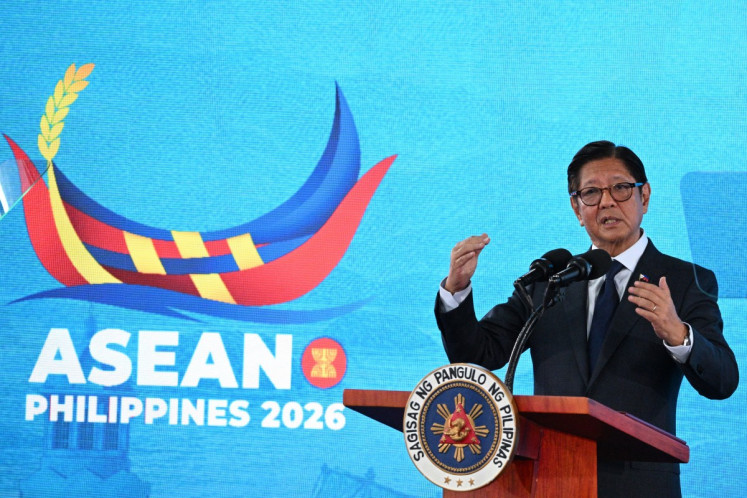
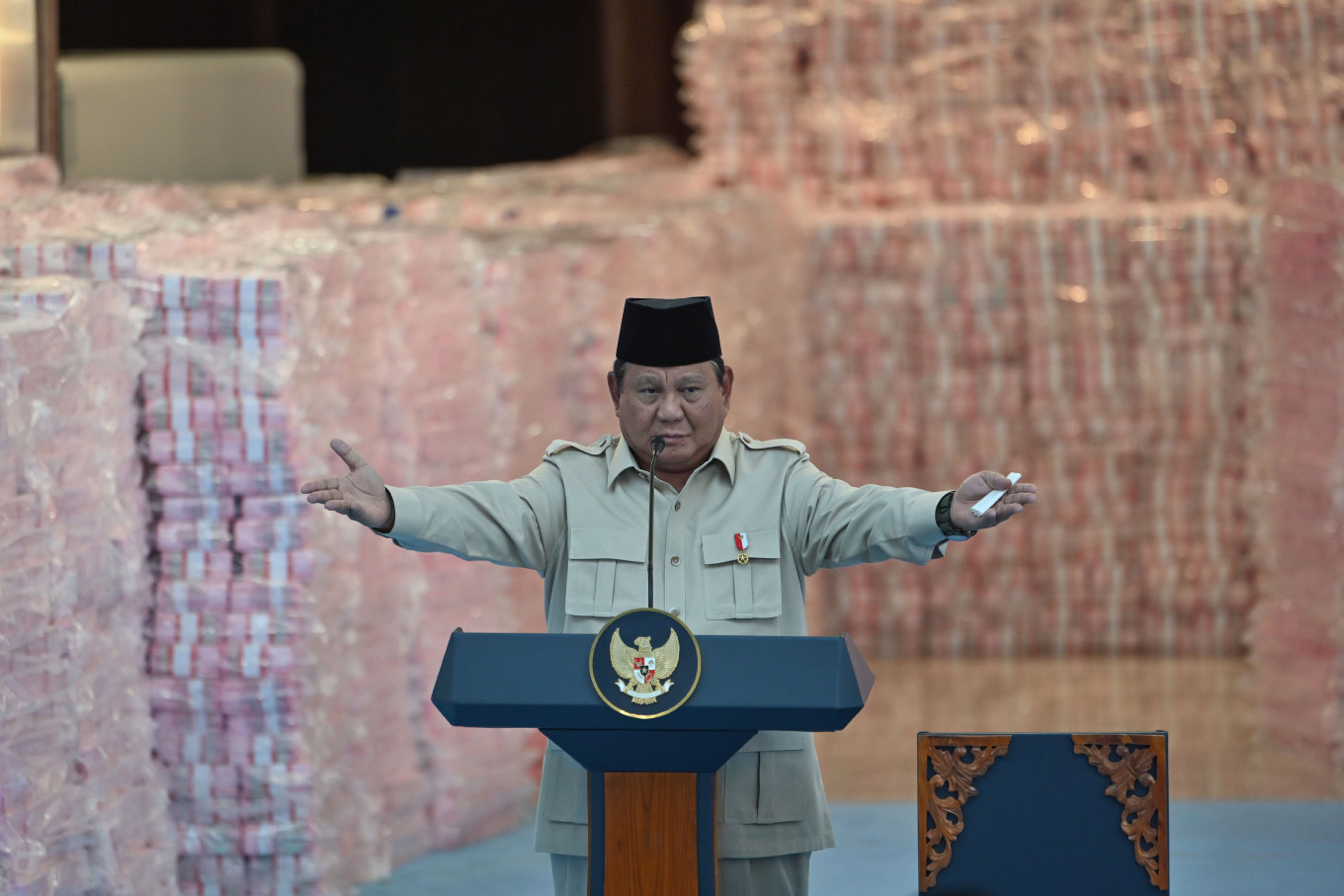 President Prabowo Subianto delivers a speech on Dec. 24, 2025, during a ceremony for the handover of funds collected from forestry administrative fines and recovered state assets from corruption cases at the Attorney General’s Office complex in Jakarta. (Antara/Aditya Pradana Putra)
I
f I were President Prabowo Subianto, I would feel uneasy watching news of Venezuela’s President Nicolas Maduro being transferred to the United States to face trial, an image that raises uncomfortable questions about how power determines when sovereignty ends.
It would not matter whether the charges were framed in the language of narcotics, corruption or human rights. What would matter is the signal: that sovereignty, for certain states and leaders, is conditional, and that justice can cross borders when interests align.
That unease is sharpened by Indonesia’s own response. Unlike Malaysia’s Prime Minister Anwar Ibrahim, who reacted directly and publicly, asking for the immediate release of Maduro, President Prabowo issued no personal statement. Indonesia spoke instead through its Foreign Ministry, which expressed concern and urged restraint without explicitly naming the US. The tone was cautious, procedural and deliberately restrained. It was neither protest nor endorsement, but careful distance.
Such caution is rarely accidental. It reflects an awareness of how international power actually operates: unevenly, selectively and with a long institutional memory. For leaders whose pasts are preserved in international archives and human rights reports, global justice is never abstract. It is latent. It can remain dormant for years, even decades, only to be activated when alliances fray or obedience weakens. In this landscape, silence can be a form of prudence, and ambiguity a survival strategy.
The Maduro episode, then, should not be read merely as a legal event or a moral reckoning. It is also a demonstration. It shows how history can be reactivated when it becomes geopolitically useful, how sovereignty can be suspended, and how the language of justice can be mobilized with remarkable speed once power feels threatened.
This context matters all the more with US President Donald Trump. Trump’s tariff wars, first against China, then against allies and rivals alike, have shown that he views international relations as a zero-sum transaction. Tariffs, sanctions, financial pressure, diplomatic isolation and legal mechanisms are all part of the same toolkit. When trade policy fails, moral language follows. When economic pressure stalls, legal narratives emerge.

Venezuela sits at the intersection of this logic. It sits atop the world’s largest known oil reserves, yet has chosen to deepen ties with China, engage in de-dollarized trade using the Chinese renminbi and challenge the petrodollar system that underpins US financial power. In geopolitical terms, this is a challenge to a monetary order that has sustained US dominance for half a century. In such a context, it is naive to imagine that law and political economy operate in isolation. When a state undermines the architecture of US dominance, justifications, whether it’s legal, humanitarian or moral, are never difficult to assemble.