TheJakartaPost
Please Update your browser
Your browser is out of date, and may not be compatible with our website. A list of the most popular web browsers can be found below.
Just click on the icons to get to the download page.


Popular Reads
Top Results
No results found. Please check your search term and try again
Can't find what you're looking for?
View all search results
Popular Reads
Top Results
No results found. Please check your search term and try again
Can't find what you're looking for?
View all search resultsBuilding dynamic resilience in a fragmented world
Indonesia has chosen dynamic resilience as its foreign policy doctrine, the ability and flexibility to engage where needed by first ensuring everyday public security and prosperity at home.
Change text size
Gift Premium Articles
to Anyone
Share the best of The Jakarta Post with friends, family, or colleagues. As a subscriber, you can gift 3 to 5 articles each month that anyone can read—no subscription needed!
 Set as preferred source
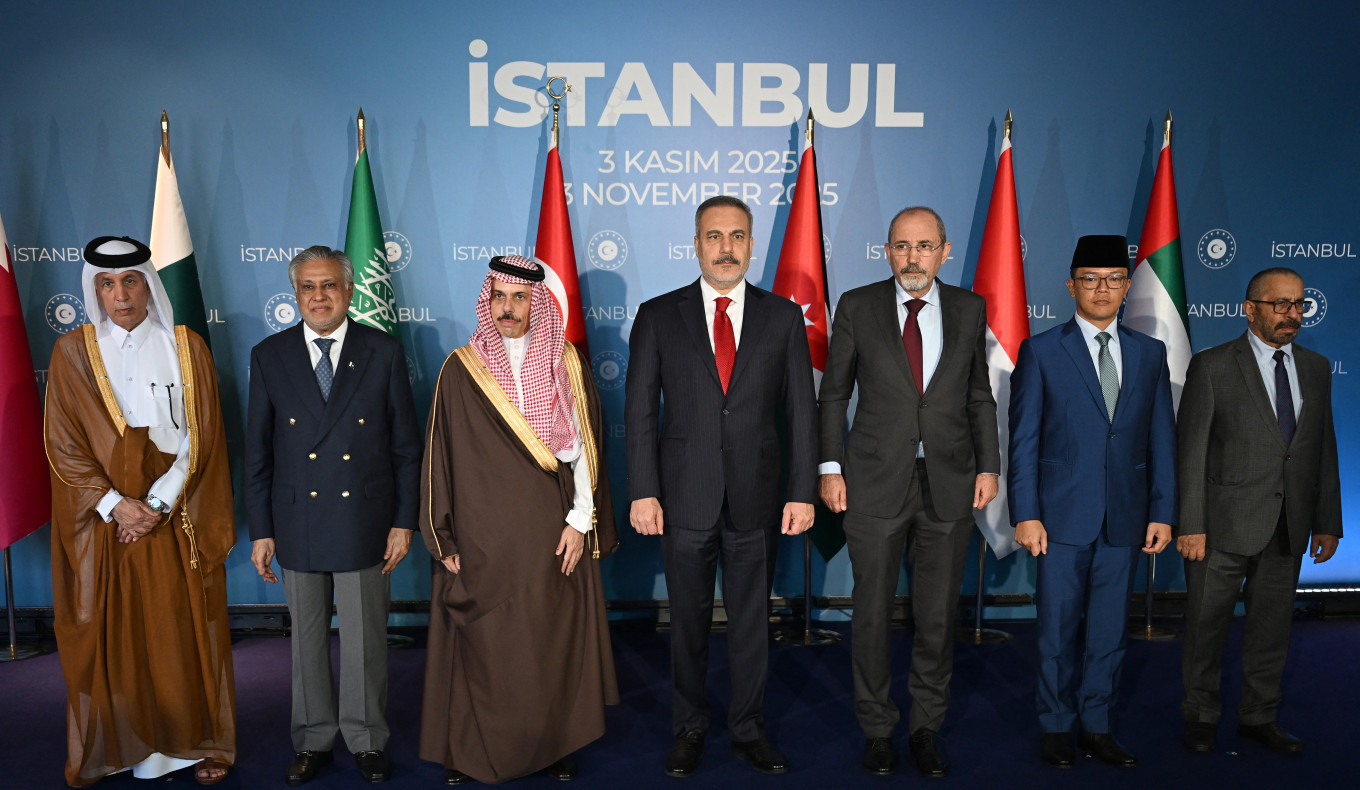 Foreign Minister Sugiono (second right) stands alongside other top diplomats from Muslim-majority countries on Nov. 3, 2025, during their meeting on the Gaza ceasefire in Istanbul, Turkey (from left): Qatar’s Sultan bin Saad bin Sultan Al Muraikhi, Pakistan’s Ishaq Dar, Saudi Arabia’s Prince Faisal bin Farhan al-Saud, Turkey’s Hakan Fidan, Jordan’s Ayman Safadi and the United Arab Emirate’s Khalifa Shaheen Al Marar. (AFP/Ozan Kose)

The world today is not only harder to understand but also harder to rely on. In recent months, we have seen international law pushed in ways that would have seemed unthinkable not long ago.
Rules meant to restrain the use of force are being stretched, sometimes ignored. At the same time, economic ties that once promised stability are increasingly used as tools of pressure. Conflicts that begin in one place now ripple outward, raising food prices, disrupting energy markets and shaking financial stability far beyond borders.
This is the environment we are navigating, a world where uncertainty travels fast and where countries that are unprepared can be forced into choices they did not make. For Indonesia, this has led to a clear conclusion: Our foreign policy must be built around dynamic resilience.
Dynamic resilience does not imply withdrawal from the international system. Rather, it is about safeguarding policy space, protecting our people and staying engaged from a position of strength, even as the global environment becomes more turbulent. It is the ability to absorb shocks, adapt to pressure and continue moving forward without losing our sense of direction.
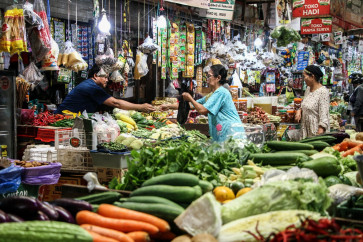
When food prices rise in Indonesian markets due to supply chain disruptions elsewhere, that is foreign policy. When technology gaps widen inequality, that too is foreign policy. When Indonesian citizens must be evacuated from conflict zones, that is foreign policy as well.
Foreign policy is no longer something distant. It begins with the everyday security and prosperity of our people, and it begins at home.

That is why Indonesia has focused on strengthening its foundations. Securing our borders, ensuring that our natural resources generate value domestically and modernizing the systems to protect our citizens abroad are not separate from diplomacy. They are what make diplomacy credible. A country that is fragile at home will have limited leverage outside; a country that is resilient can shape outcomes.