TheJakartaPost
Please Update your browser
Your browser is out of date, and may not be compatible with our website. A list of the most popular web browsers can be found below.
Just click on the icons to get to the download page.


Popular Reads
Top Results
No results found. Please check your search term and try again
Can't find what you're looking for?
View all search results
Popular Reads
Top Results
No results found. Please check your search term and try again
Can't find what you're looking for?
View all search resultsLeveling the playing field: OJK’s new IPO rules
Indonesia’s new e-IPO rules are designed to give ordinary investors a more fair shot at IPO shares while reassuring serious institutional money that the system is better policed and less prone to speculative froth.
Change text size
Gift Premium Articles
to Anyone
Share the best of The Jakarta Post with friends, family, or colleagues. As a subscriber, you can gift 3 to 5 articles each month that anyone can read—no subscription needed!
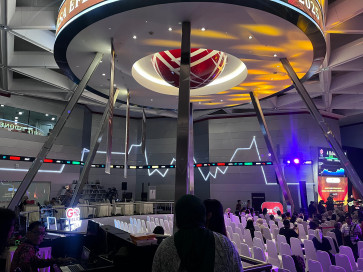
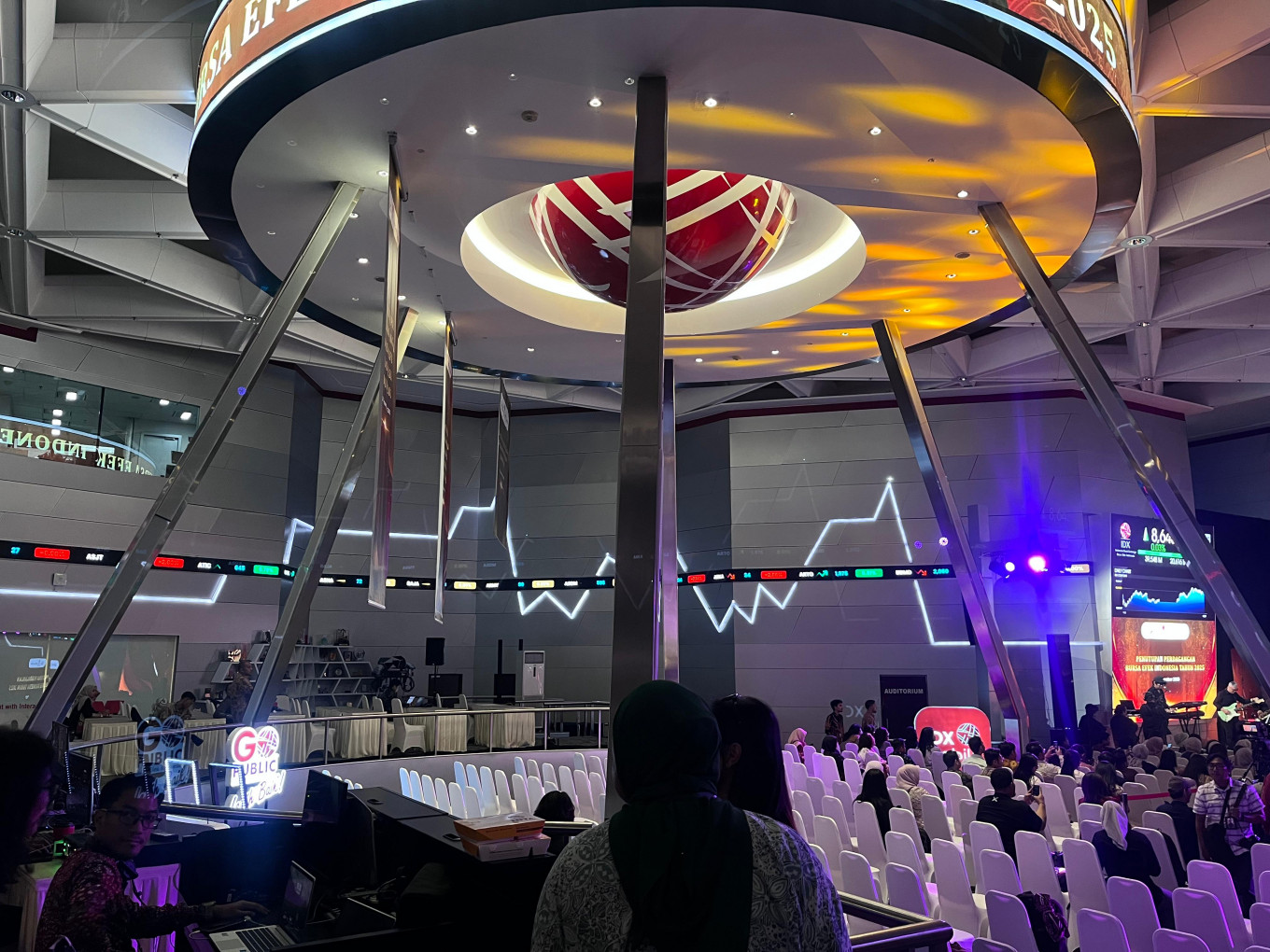 People gather at the Indonesia Stock Exchange's (IDX) main hall in Central Jakarta as the bourse closed 2025 trade on Dec. 31, 2025. (TJP/Ni Made Tasyarani)
I
ndonesia is ASEAN’s largest economy, but its capital markets are smaller than befits its weight. The stock market remains smaller and less liquid than those of some regional peers, and financial assets are dominated by banks, which hold roughly three-quarters of the system’s total.
At the same time, the investor base has been expanding rapidly, offering a foundation for deeper markets. The number of capital-market investors, measured by Single Investor Identifications, has surged from around 3.8–3.9 million in 2020 to nearly 18 million in 2025. The growth reflects easier digital access and sustained education campaigns, but it also increases the responsibility on regulators to ensure that new investors feel the market is transparent and that they have a fair chance in flagship offerings.
Recognizing this gap, regulators are rolling out policies from free-float and liquidity-provider rules to new IPO allocation standards, to make the Indonesia Stock Exchange (IDX) a more compelling venue for both issuers and investors. One important step in this direction is the Financial Services Authority’s (OJK) Circular Letter No. 25/SEOJK.04/2025, which changes how shares are allocated in electronic IPOs and aims to balance fairness for retail investors with discipline and certainty for institutional buyers.
What has OJK actually changed?
Under the old regime, large institutional investors could submit big “pooling” orders and, because the retail pool was smaller and the institutional pool larger, they often ended up with a disproportionate slice of shares.
Once the IDX is ready to implement the system, the rules will cap any single investor’s total order in the pooling allotment at 10 percent of the total offer; require the pooling allotment to be split 50:50 between retail and non-retail investors (previously it was roughly one part retail to two parts non-retail); and increase minimum pooling portions across a more detailed five-tier scale of IPO sizes, including a new category for very small offerings (up to Rp 100 billion).

OJK also requires local underwriters to do real due diligence on investors requesting a “fixed allotment” by checking they have sufficient financial capacity. This is meant to ensure that big blocks of shares are not set aside for investors who then struggle to pay when settlement day comes.