The Jakarta Post
Please Update your browser
Your browser is out of date, and may not be compatible with our website. A list of the most popular web browsers can be found below.
Just click on the icons to get to the download page.


Popular Reads
Top Results
No results found. Please check your search term and try again
Can't find what you're looking for?
View all search results
Popular Reads
Top Results
No results found. Please check your search term and try again
Can't find what you're looking for?
View all search resultsHow development banks deny justice for Asia’s indigenous peoples
Safeguarding rights must be a priority for sustainable development, yet it often takes public outrage to force a change.
Change text size
Gift Premium Articles
to Anyone
Share the best of The Jakarta Post with friends, family, or colleagues. As a subscriber, you can gift 3 to 5 articles each month that anyone can read—no subscription needed!
 Set as preferred source
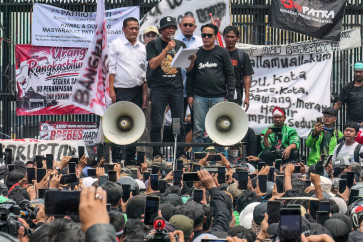
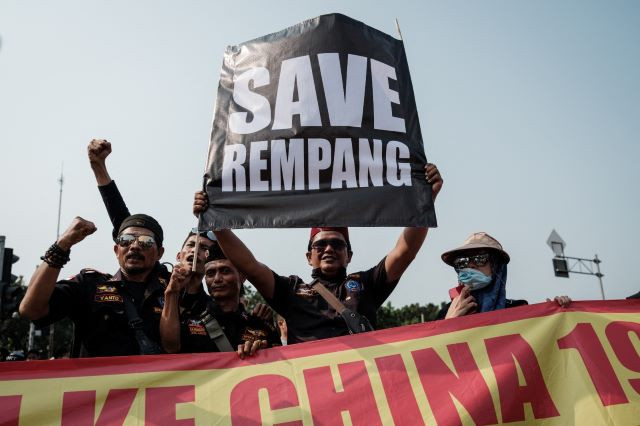
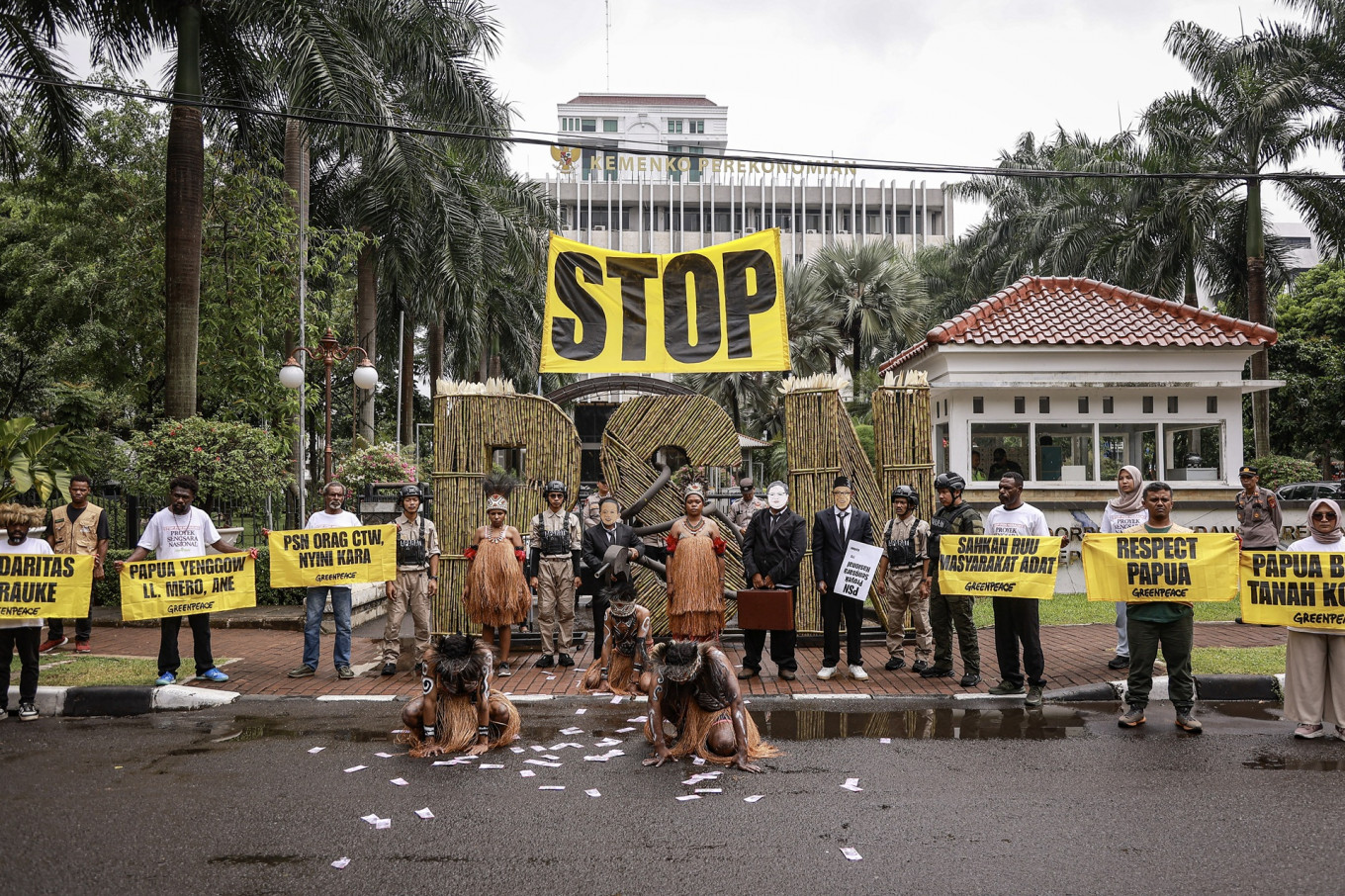 Environmental activists with Greenpeace Indonesia and members of Papuan indigenous communities hold a rally in front of the Office of the Coordinating Economy Minister in Jakarta on Dec. 18, 2025, protesting the national strategic project (PSN) to open a sugarcane plantation in Merauke that they said could cause massive deforestation in Indonesia's easternmost region. (Antara/Dhemas Reviyanto)
S
afeguarding the rights of vulnerable communities, including indigenous peoples in the Asia-Pacific and beyond, must remain a priority - especially for multilateral and bilateral development banks mandated to pursue the common good.
In July 1944, world leaders met in Bretton Woods, New Hampshire, to sketch out a global system aimed at rebuilding a new economic order after the devastations of World War II. However, social justice was in no way central to the deliberations that laid the foundations for the International Monetary Fund and the World Bank Group.
Building a new economic system detached from universal principles like social justice proved to be a misguided decision. This was the "original sin" of a multilateral financial system that has never fully embraced human rights beyond tokenistic measures. International financial institutions have tried to champion inclusive, bottom-up development, yet they have failed significantly.
Those who continue to pay the highest price are vulnerable communities, particularly indigenous peoples. This historical abdication of responsibility is evident in recent negligence affecting communities in the Asia-Pacific.
Mukkumlung Hill, located in eastern Nepal, is a sacred place for the Limbu (Yakthung) Nation, an indigenous group associated with the wider Kirat communities of Nepal. It contains a unique ecosystem within the Kanchenjunga Conservation Area, hosting pristine forests rich in biodiversity, including endangered species.
Even though the hill is worshipped and highly valued by the Limbu Nation, their rights were violated. This includes the right to Free Prior and Informed Consent (FPIC), which is mandatory under the United Nations Declaration on the Rights of Indigenous Peoples (UNDRIP) for any decisions affecting indigenous lands.

Regardless of the rights and aspirations of local groups, the IME Group - one of Nepal's largest and most influential conglomerates - decided to construct the Pathivara cable car to reach the sacred hill. This US$22 million project proceeded with the support of the International Finance Corporation (IFC), the private lending arm of the World Bank Group.