The Jakarta Post
Please Update your browser
Your browser is out of date, and may not be compatible with our website. A list of the most popular web browsers can be found below.
Just click on the icons to get to the download page.


Popular Reads
Top Results
No results found. Please check your search term and try again
Can't find what you're looking for?
View all search results
Popular Reads
Top Results
No results found. Please check your search term and try again
Can't find what you're looking for?
View all search resultsMyanmar’s vote is not progress, and ASEAN knows it
By privileging access to the junta while sidelining other stakeholders, ASEAN risks reinforcing the military’s claim that it alone represents Myanmar’s political future.
Change text size
Gift Premium Articles
to Anyone
Share the best of The Jakarta Post with friends, family, or colleagues. As a subscriber, you can gift 3 to 5 articles each month that anyone can read—no subscription needed!
 Set as preferred source
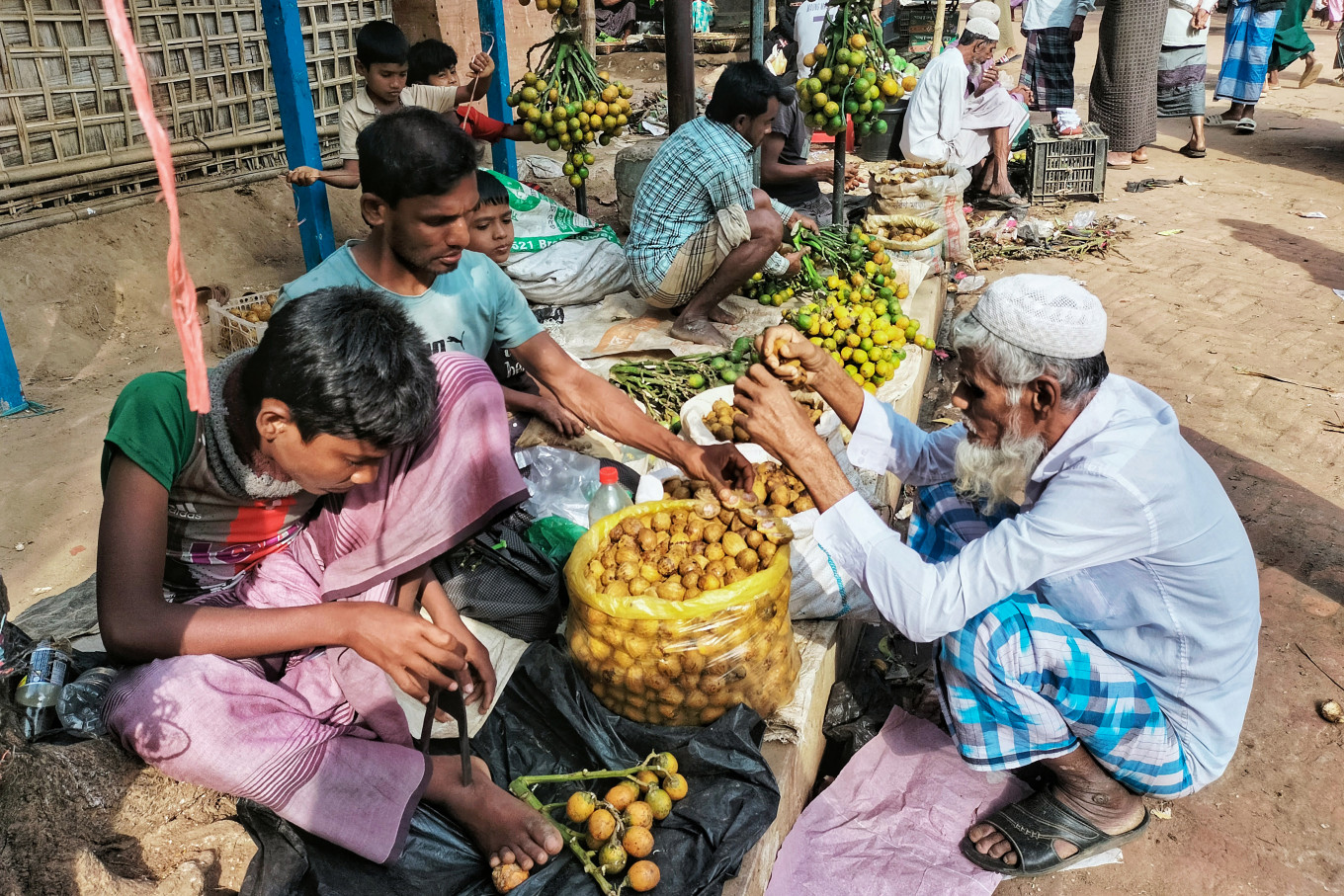 Rohingya refugees sell betel nuts at a market in the Kutupalong refugee camp of Ukhia, Bangladesh, on Jan. 11. 2026. In Bangladesh’s sprawling Rohingya camps of Cox’s Bazar, where more than a million refugees forced to flee Myanmar live in squalid conditions, hope is a fragile but persistent force. (AFP/MH Mustafa)
O
n Jan. 11, Myanmar entered the second phase of its three-stage general election, extending voting to additional townships, including some affected by ongoing conflict. The first phase covered only a third of the country, excluding areas controlled by armed groups, with independent observers barred, media restricted and campaigning under military surveillance.
Scheduled to end on Jan. 25, the military presents the vote as a step toward normalization after the state of emergency ended last July.
The deeper issue is not the predictable outcome but what the election reveals about Myanmar’s trajectory, and ASEAN’s response. This is a deliberate attempt by the military to convert coercive power into procedural legitimacy, testing whether Southeast Asia will accept elections stripped of democratic substance as a basis for regional recognition.
ASEAN’s risk lies not in openly endorsing the vote, but in letting it quietly reset engagement. Malaysian Prime Minister Anwar Ibrahim, ASEAN chair 2025, said the bloc would review developments post-election while avoiding premature legitimization. Caution, however, risks sliding into acquiescence.
That risk has already become visible. Earlier this month, Philippine Foreign Affairs Secretary Ma. Theresa Lazaro, newly appointed as special envoy of the 2026 ASEAN chair, led a delegation to Naypyidaw and met Gen. Min Aung Hlaing and other junta leaders.
According to the Philippine Department of Foreign Affairs, the meetings involved “warm and constructive exchanges” on Myanmar’s political situation, its ongoing elections and the Five-Point Consensus (5PC).

Diplomatic engagement is often defended as necessary pragmatism. But timing and context matter. A visit to Naypyidaw could have waited until this sham election concluded; arriving during a vote widely denounced as illegitimate is never politically neutral. It grants the junta visibility, status and a veneer of normalcy at a moment when it is actively seeking regional validation.