TheJakartaPost
Please Update your browser
Your browser is out of date, and may not be compatible with our website. A list of the most popular web browsers can be found below.
Just click on the icons to get to the download page.


Popular Reads
Top Results
No results found. Please check your search term and try again
Can't find what you're looking for?
View all search results
Popular Reads
Top Results
No results found. Please check your search term and try again
Can't find what you're looking for?
View all search resultsAmerica’s retreat from multilateralism and its global impact
The decline of multilateralism presents an opportunity for Global South countries to step up and engage actively in reshaping the world order.
Change text size
Gift Premium Articles
to Anyone
Share the best of The Jakarta Post with friends, family, or colleagues. As a subscriber, you can gift 3 to 5 articles each month that anyone can read—no subscription needed!
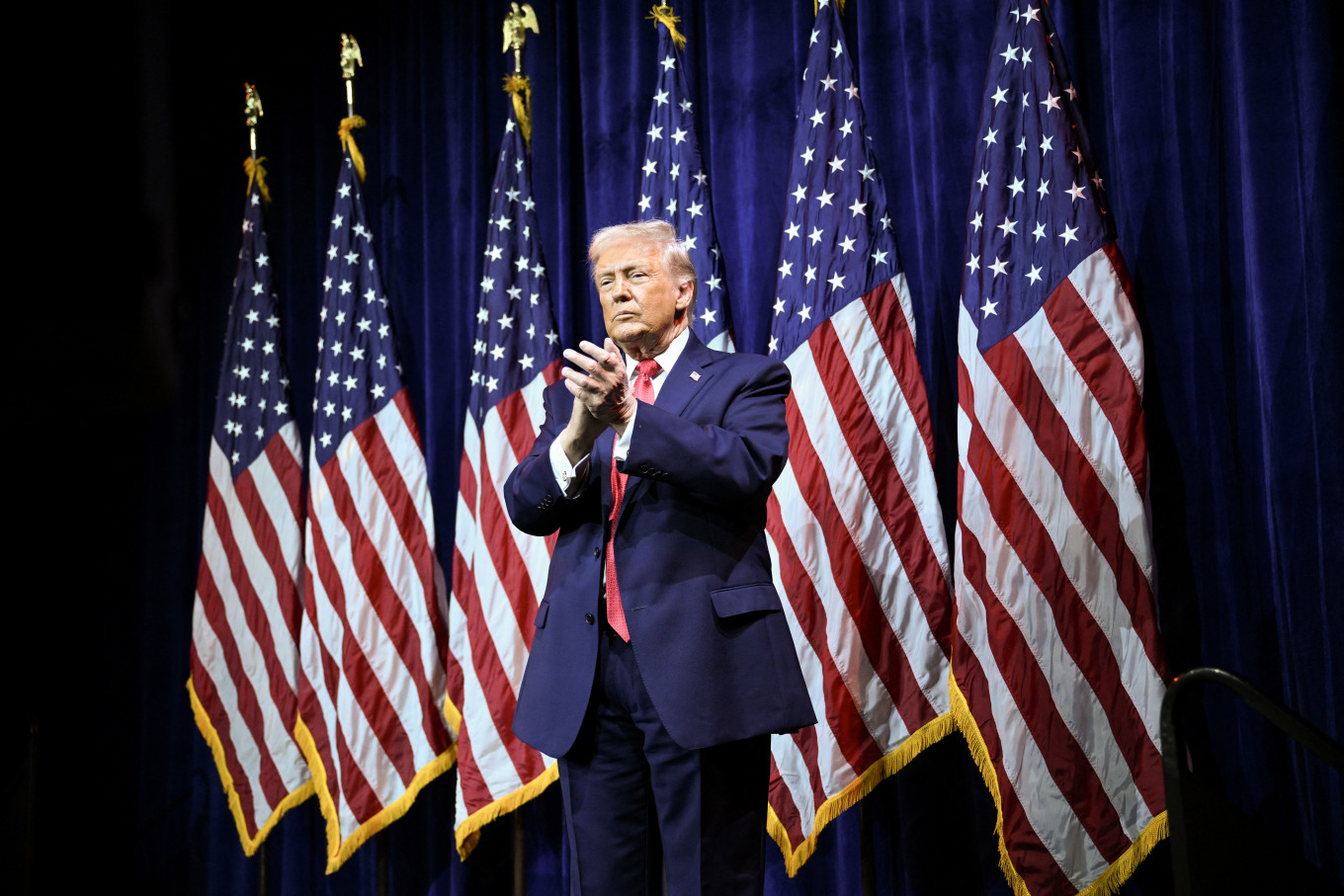 United States President Donald Trump applauds after delivering remarks on Jan. 6, 2026, at a House Republican Party retreat in Washington, D.C. (AFP/Mandel Ngan)
T
he United States’ decision to withdraw from 66 international organizations is a strong signal of a shift in the superpower's global policy direction. The US is no longer willing to support United Nations institutions, environmental treaties and international cooperation forums that have served as the backbone of global governance for decades.
Washington's move demonstrates a trend away from the multilateralism it once built and led. The country, which has played a key role as the architect of the global order since the end of World War II, is now questioning the relevance of multilateral forums as a means of resolving development and world peace issues.
Multilateralism is no longer treated as an instrument of global leadership, but rather as a burden seen as limiting freedom of action and not always aligned with short-term national interests.
However, for the international community, especially developing countries, the US’ decision is not merely an administrative-institutional matter but a sign of an eroding commitment to rules-based global cooperation.
Historically, Washington’s involvement in international organizations stemmed from the traumatic experience of World War II. The US, along with its allies, built an order based on shared institutions, norms and rules. The UN, the Bretton Woods regime and various arms control agreements served as pillars of a rules-based international order.
This orientational shift in US foreign policy reflects the classic logic of power politics. John J. Mearsheimer asserts in The Tragedy of Great Power Politics that great powers are inherently offensive and prioritize their own survival and strategic dominance over adherence to international norms or institutions. Within this framework, multilateral organizations are maintained only as long as they serve as instruments of national interest.

For the US, these institutions are seen as restricting national policymaking or even conferring political and normative advantages on others. When the political and strategic costs are judged to outweigh the benefits, powerful nations do not hesitate to abandon them.