The Jakarta Post
Please Update your browser
Your browser is out of date, and may not be compatible with our website. A list of the most popular web browsers can be found below.
Just click on the icons to get to the download page.


Popular Reads
Top Results
No results found. Please check your search term and try again
Can't find what you're looking for?
View all search results
Popular Reads
Top Results
No results found. Please check your search term and try again
Can't find what you're looking for?
View all search resultsAid remains a tool for control, not relief, in Gaza
Without a dramatic improvement in basic living conditions, the International Stabilization Force will not be able to deliver stability for desperate people in Gaza.
Change text size
Gift Premium Articles
to Anyone
Share the best of The Jakarta Post with friends, family, or colleagues. As a subscriber, you can gift 3 to 5 articles each month that anyone can read—no subscription needed!
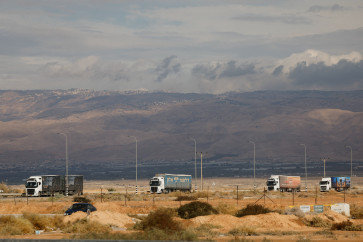
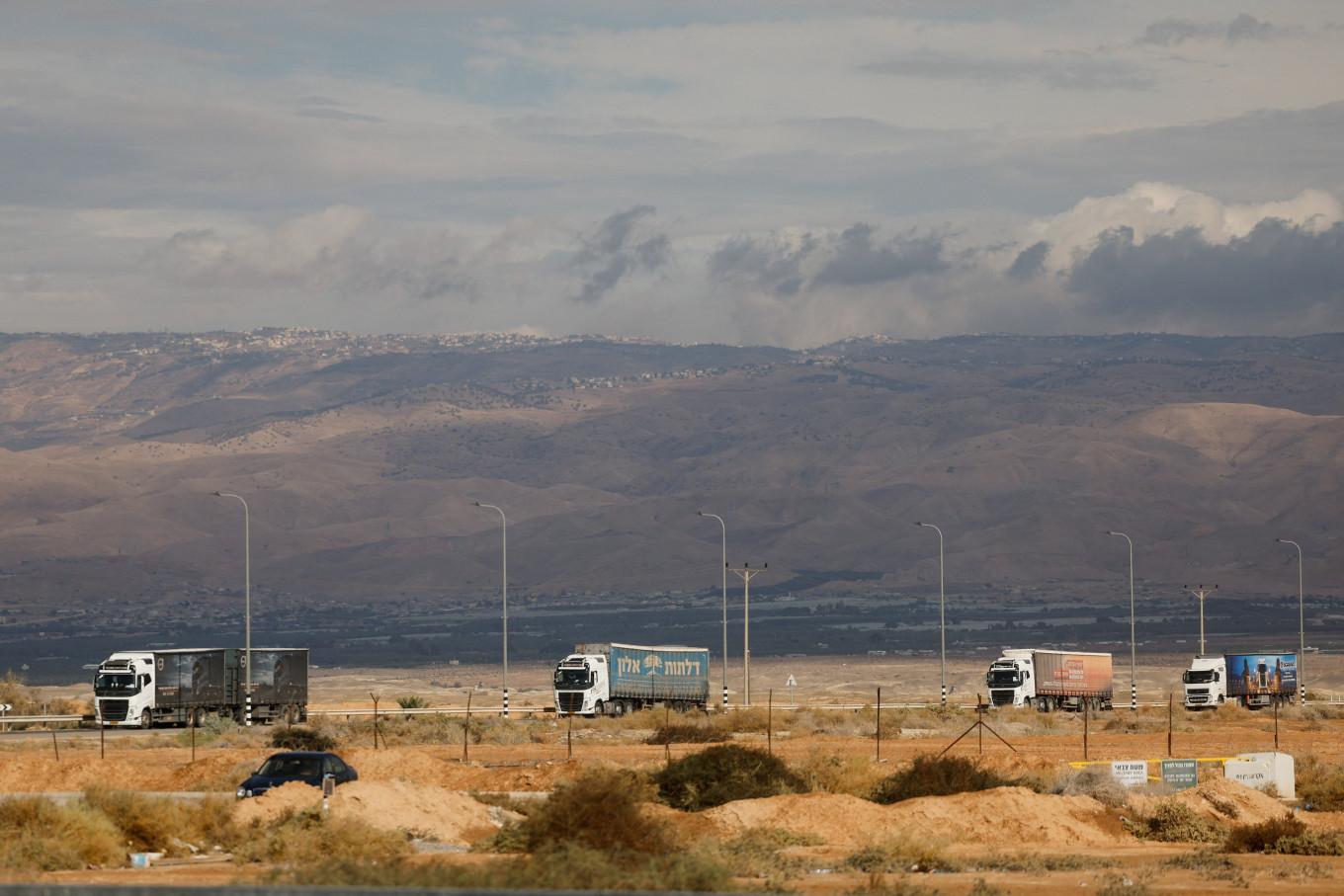 Trucks carrying goods from Jordan move on Dec. 10, 2025, near the Allenby Bridge Crossing between the West Bank and Jordan after it was reopened, in the Israeli-occupied West Bank. The United Nations says the crossing is a major route for bringing food, tents and other goods into Gaza. (Reuters/Ammar Awad)
A
n eight-month-old baby has just died from hypothermia in Gaza. Another avoidable tragedy. Another number to add to the more than 20,000 children killed in direct conflict and tens of thousands that have lost their lives, limbs and futures in a brutal two-year conflict.
The ceasefire agreement in October last year and subsequent peace efforts offer a glimmer of hope to the estimated two million people that remain in Gaza. But as storms and floods lash the Strip in a harsh winter, that promise is curdling. Israeli authorities are not just maintaining their blockade on aid but entrenching it by seeking to ban many international NGOs delivering aid. This will have a serious impact on essential services and put lives at imminent risk.
The ceasefire plan called for 600 humanitarian aid trucks to enter Gaza daily, the bare minimum needed to help families start the process of recovery and rebuilding. Over the last 12 weeks, an average of just 120 trucks a day have been entering through the United Nations-led humanitarian system. Meanwhile, tents, medical supplies and other essentials sit in warehouses a few miles away from the people that need them.
This is not inevitable. The first three weeks of the pause in hostilities in January 2025 saw a dramatic surge with 10,000 aid trucks entering at a rate of almost 500 a day. We saw how aid can be delivered effectively and at scale in Gaza. It was not a question of logistics, but of political will.
In March, Israeli authorities followed this brief respite by turning off the aid taps once more. They imposed a total siege as air strikes rained terror on children and families.
Whilst the number of aid trucks is ultimately an arbitrary target, it paints a damning picture of a deliberate policy by the Israeli authorities to blockade Gaza - and of an international community who cannot or will not do anything to stop it.

Meanwhile, conditions on the ground remain unbearable. Children are sleeping on bare, sewage-soaked ground in flimsy clothes, with severe shortages of blankets, mattresses, warm clothing and safe shelter.