TheJakartaPost
Please Update your browser
Your browser is out of date, and may not be compatible with our website. A list of the most popular web browsers can be found below.
Just click on the icons to get to the download page.


Popular Reads
Top Results
No results found. Please check your search term and try again
Can't find what you're looking for?
View all search results
Popular Reads
Top Results
No results found. Please check your search term and try again
Can't find what you're looking for?
View all search resultsBeyond the nickel boom: Indonesia needs a reality check on downstreaming
Having abundant nickel helps with one component—the battery cathode—but it does not automatically confer the ability to mass-produce quality electric vehicles.
Change text size
Gift Premium Articles
to Anyone
Share the best of The Jakarta Post with friends, family, or colleagues. As a subscriber, you can gift 3 to 5 articles each month that anyone can read—no subscription needed!
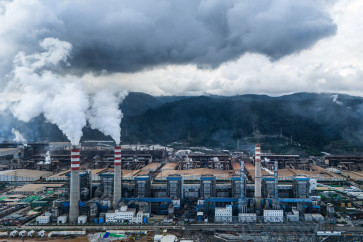
 Nickel smelter chimneys spew a column of emissions into the air above the Indonesia Weda Bay Industrial Park on July 7, 2024, in Lelilef, North Maluku. (AFP/Azzam Risqullah)
I
ndonesia often heralds its downstreaming success as a masterclass in policy, but it tends to overlook the significant element of fortune involved. A decade ago, frustrated by the low returns of exporting raw minerals, Indonesia enacted a bold ban on ore exports to enforce domestic processing. The goal was to add value at home, reduce reliance on volatile commodity exports and strengthen the manufacturing base.
In many respects, this resource nationalism largely succeeded: a rapid development of domestic smelters surged, forcing exports of higher-value mineral products - especially nickel - and swinging the trade balance into surplus. However, while the government touts this industrial boom as a policy triumph, a closer look reveals that favorable external market forces were just as pivotal as Jakarta’s strategy.
China’s appetite and investment after its own industrial boom in the preceding five years supercharged the nickel value chain. Chinese companies financed and built massive industrial parks, transforming Indonesia into the world’s largest nickel producer within a decade. Much of the efficient smelting technology and capital came from firms like Tsingshan, eager to secure supply for their stainless-steel mills. Without this influx of foreign capital and know-how, the downstream policy might have stalled.
Furthermore, the global market’s timing was fortuitous: just as Indonesia squeezed exports, world demand for nickel boomed because of the electric vehicle revolution. Indonesia captured 70 percent of global supply growth between 2020 and 2024. This market dominance could have served as leverage for long-term strength, but recognizing this "dose of luck" is vital because it tempers the triumphal narrative. If China hadn’t needed the ore, or if EVs hadn’t taken off, the story would look very different.
Yet, emboldened by this success, the government is now attempting to replicate the nickel model with other commodities - a strategy that risks overreach. The economics of copper, for instance, differ drastically from nickel. By the time copper ore is processed into concentrate, about 85 percent of its value is already realized. Smelting concentrate into pure copper cathode adds relatively little incremental value and often proves barely profitable, with margins as thin as 1.7 percent.
Forcing companies to invest billions in copper smelters acts less like value creation and more like a de facto "mining tax" - the price of admission to keep exporting. While this strategy "worked" in the sense that miners were forced to build smelters to retain their Tier 1 mining licenses, the long-term cost is severe.

Unlike nickel, copper mining is highly capital-intensive; Tier 1 assets cost billions to develop. If investors are burdened with building loss-making smelters, few will bother exploring for new reserves. Indonesia risks drying up its own pipeline of new copper resources.