The Jakarta Post
Please Update your browser
Your browser is out of date, and may not be compatible with our website. A list of the most popular web browsers can be found below.
Just click on the icons to get to the download page.


Popular Reads
Top Results
No results found. Please check your search term and try again
Can't find what you're looking for?
View all search results
Popular Reads
Top Results
No results found. Please check your search term and try again
Can't find what you're looking for?
View all search resultsDirect local elections must stand, they improve public health services
Surveys by credible pollsters indicate that the push to change the election system does not reflect the aspirations of the people, but rather those of political elites who lack popular roots.
Change text size
Gift Premium Articles
to Anyone
Share the best of The Jakarta Post with friends, family, or colleagues. As a subscriber, you can gift 3 to 5 articles each month that anyone can read—no subscription needed!
 Set as preferred source
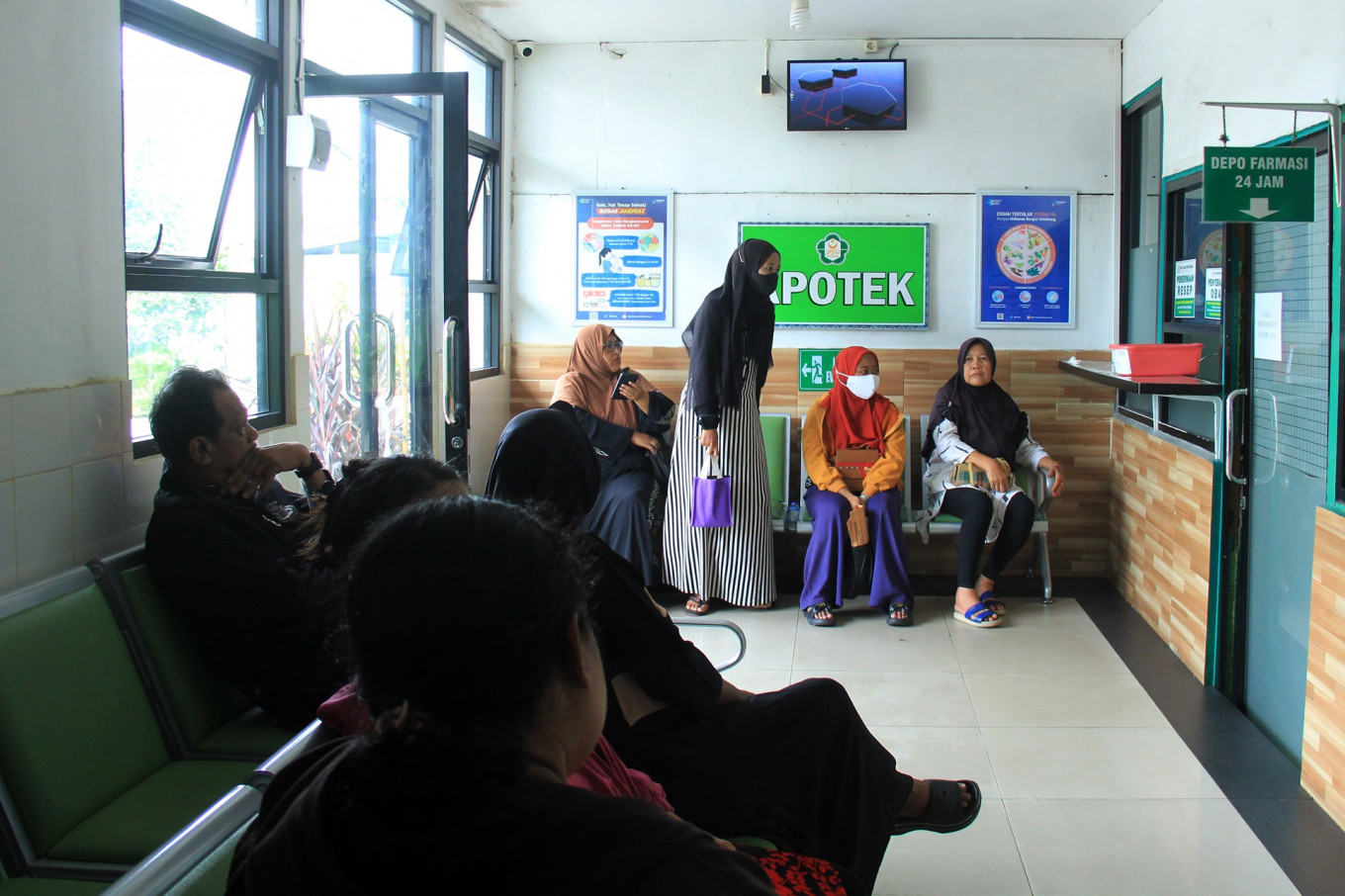 Patients line up to wait for medicines from a pharmacy at Yarsi General Hospital in Pontianak, West Kalimantan, on May 14, 2024. (Antara/Jessica Wuysang)
T
he public desire to maintain the system of direct local executive elections remains incredibly strong. The majority of Indonesians want to exercise their sovereignty by choosing their own regents, mayors and governors. This attitude has remained consistent over the years, as confirmed by public opinion surveys conducted by credible polling institutions.
An SMRC survey in May 2023 found that 86 percent of citizens rejected the idea of electing local leaders through regional legislatures (DPRD). A survey by Indikator Politik Indonesia in August 2025 showed that 94.2 percent of citizens wanted regents and mayors to be elected directly by the people. Similarly, a Litbang Kompas survey in December 2025 found that 77.3 percent of citizens supported direct local elections.
Public support for direct local elections is almost unanimous. This implies that the push to change the election system does not reflect the aspirations of the people, but rather those of political elites who lack popular roots. Indonesians do not want their right to determine regional heads to be usurped.
Amid widespread public resistance, the House of Representatives and the government backed down on Monday from the plan to reinstate indirect local elections, stating there was no plan to revise the Regional Elections Law this year.
The near-universal desire of citizens to directly choose their leaders is highly rational. Public expectations in electing local leaders are tied to the hope that their needs will be fulfilled. The people themselves best understand their own needs; therefore, their demand to directly evaluate their leaders is natural.
Moreover, direct local elections, implemented since 2005, have provided valuable experience for society. The continued public support indicates that this system has done more good than harm, contrary to the claims of elites who advocate for its abolition.

Critics frequently argue that indirect elections produce leaders who better serve the public, claiming that regional development has stagnated and that direct elections breed corruption. In fact, more than 400 regional leaders have been implicated in corruption, including the regent of Pati in Central Java and the mayor of Madiun in East Java who were arrested by the Corruption Eradication Commission (KPK) last week. However, we must recognize that entrusting sovereignty to the people is valuable in and of itself. It is not merely an instrument to achieve other goals.