TheJakartaPost
Please Update your browser
Your browser is out of date, and may not be compatible with our website. A list of the most popular web browsers can be found below.
Just click on the icons to get to the download page.


Popular Reads
Top Results
No results found. Please check your search term and try again
Can't find what you're looking for?
View all search results
Popular Reads
Top Results
No results found. Please check your search term and try again
Can't find what you're looking for?
View all search resultsChildren’s well-being begins with their parents’ decent work
While free meal programs offer a vital safety net, true child welfare is only sustainable when anchored by the dignity and security of a parent's decent work.
Change text size
Gift Premium Articles
to Anyone
Share the best of The Jakarta Post with friends, family, or colleagues. As a subscriber, you can gift 3 to 5 articles each month that anyone can read—no subscription needed!
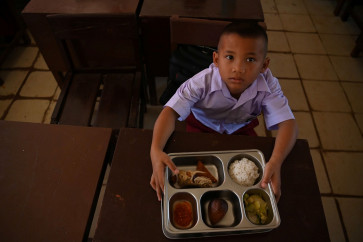
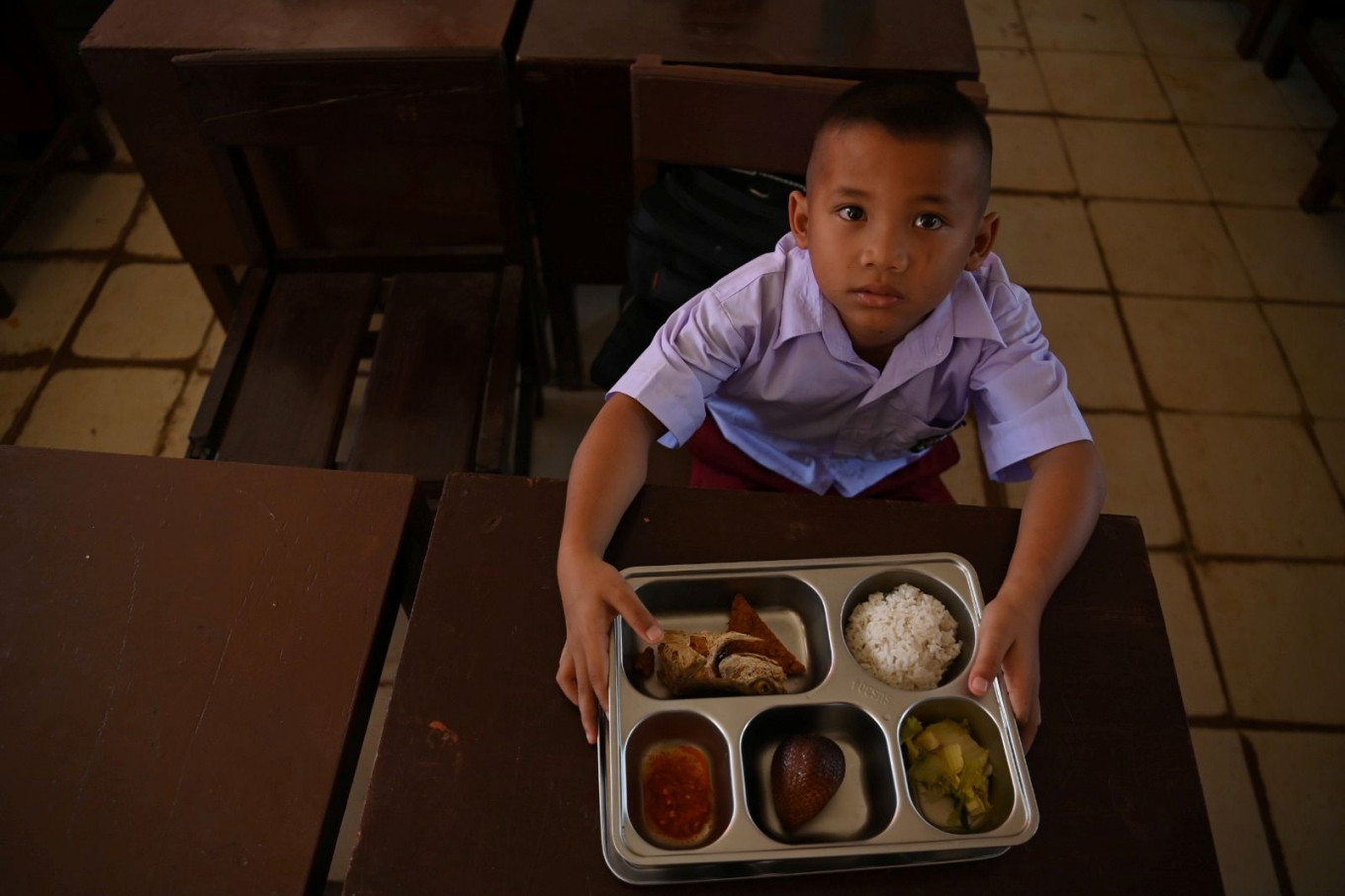 Lunch break: A student shows his free nutritious meal on Jan. 28, 2026 at SDN 18 state elementary school in Tukka, Central Tapanuli regency, North Sumatra. The program has resumed after floods hit the regency in November last year. (Antara/Indrianto Eko Suwarso)
T
he debate over public policy priorities, whether to emphasize immediate consumption programs like the free nutritious meal program or structural production policies such as job creation, has reached a critical juncture.
At the Prasasti Economic Forum 2026 in Jakarta recently, National Development Planning Minister Rachmat Pambudy, who also heads the National Development Planning Agency (Bappenas), argued that the free meals initiative is more pressing than the immediate expansion of employment opportunities.
However, leading economic thinkers remind us that social protection cannot be divorced from the economic structures that sustain it. Nobel laureate Amartya Sen, for instance, emphasizes the importance of capability, the substantive freedom individuals possess to lead healthy, productive lives. While nutritional assistance may bolster a child’s capabilities in the short term, those gains remain fragile without the stability of decent work for their parents.
No one disputes that child nutrition is a vital long-term investment. Organizations such as United Nations Children Fund (UNICEF) and the World Health Organization (WHO) have repeatedly warned that early malnutrition leaves permanent scars on a nation’s human capital. In this light, free meal programs, provided they reach the intended recipients and deliver high-quality nutrition, are urgent and necessary interventions. They act as an essential safety net when the labor market fails to provide families with sufficient income.
Yet, development literature remains clear: Consumption-side interventions alone cannot dismantle structural vulnerability. The late British economist Anthony Atkinson and scholar Frances Stewart both highlighted that entrenched disparities, or "horizontal inequalities", can only be truly addressed through policies that reach the roots of the economy, rather than through compensatory consumption alone.
Indonesia’s current labor market illustrates this structural challenge through a stark statistical paradox. According to the most recent data from Statistics Indonesia (BPS) as of August 2025, the Open Unemployment Rate (TPT) stood at 4.85 percent, a slight improvement from the previous year. While this figure suggests a stabilizing market, it masks a much deeper vulnerability: the quality of employment.

The real crisis lies in the "informalization" of the workforce. BPS reports that approximately 59.40 percent of Indonesia’s workforce, over 86 million people, are trapped in the informal sector. This sector is characterized by low productivity, lack of legal protection and extreme wage volatility.