The Jakarta Post
Please Update your browser
Your browser is out of date, and may not be compatible with our website. A list of the most popular web browsers can be found below.
Just click on the icons to get to the download page.


Popular Reads
Top Results
No results found. Please check your search term and try again
Can't find what you're looking for?
View all search results
Popular Reads
Top Results
No results found. Please check your search term and try again
Can't find what you're looking for?
View all search resultsWhy Indonesia need to hear more on Board of Peace justification
That President Prabowo himself felt compelled to personally justify the decision, after it had been made, already tells us what this membership really is.
Change text size
Gift Premium Articles
to Anyone
Share the best of The Jakarta Post with friends, family, or colleagues. As a subscriber, you can gift 3 to 5 articles each month that anyone can read—no subscription needed!
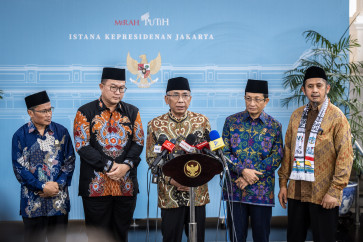
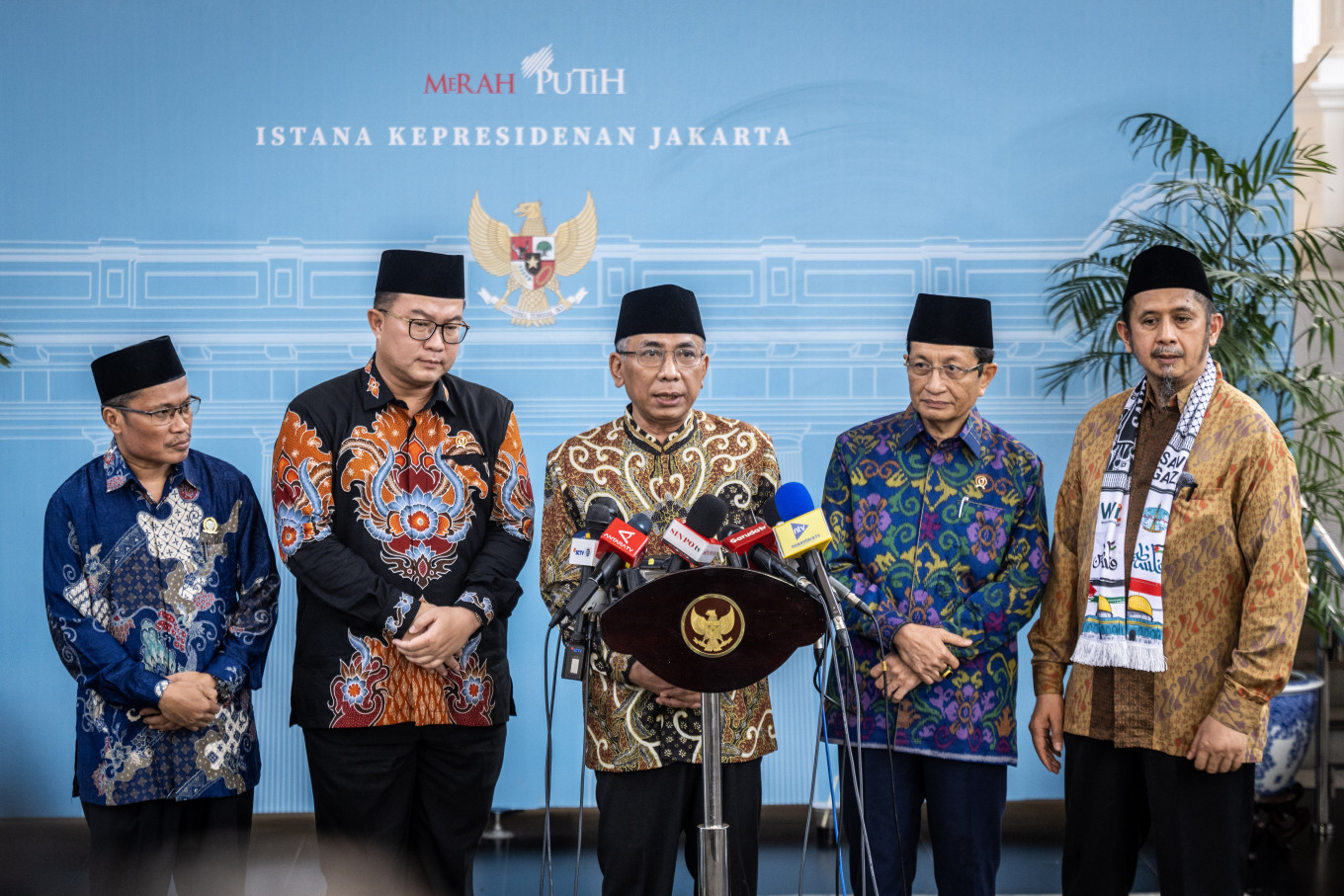 Religious Affairs Minister Nasaruddin Umar (second right) alongside religious leaders attend a press conference on Feb. 3, 2026, after a meeting with President Prabowo Subianto at the State Palace in Central Jakarta. The meeting discussed Indonesian participation in the Board of Peace. (Antara/Bayu Pratama S)
I
n the days following Indonesia’s decision to join United States President Donald Trump’s Board of Peace, President Prabowo Subianto moved quickly to contain the backlash.
Leaders of Indonesia’s major Muslim organizations were summoned. Former foreign ministers and deputy foreign ministers were gathered. Intellectuals, think-tank figures and members of the legislature were invited into a series of closed-door explanations.
This was not deliberation before a decision, but persuasion after the fact. And by most accounts, it worked. The official justifications came neatly bundled.
Indonesia, we were told, has not yet paid the US$1 billion entry fee and may not have to if it chooses to remain a non-permanent member for three years. Indonesia can withdraw at any time should Palestine fail to achieve independence.
Participation, officials further argued, is the only way to defend Palestinian interests from within, especially since Israel is included while Palestine is not. By joining alongside Muslim countries, particularly the Organization for Economic Cooperation (D-8), Indonesia could become a balancing force. This, finally, is realism in a realist world: power matters, presence matters and sitting outside achieves nothing.
It is a compelling story. It is also deeply delusional.

That President Prabowo himself felt compelled to personally justify the decision, after it had been made, already tells us what this membership really is. This was not a carefully institutionalized foreign-policy move rooted in long-term national strategy. It was an impulsive, personalized decision driven by affect, symbolism and ambition.