The Jakarta Post
Please Update your browser
Your browser is out of date, and may not be compatible with our website. A list of the most popular web browsers can be found below.
Just click on the icons to get to the download page.


Popular Reads
Top Results
No results found. Please check your search term and try again
Can't find what you're looking for?
View all search results
Popular Reads
Top Results
No results found. Please check your search term and try again
Can't find what you're looking for?
View all search resultsWhat the US–Iran talks really signal
In today's Middle East, diplomacy is no longer a path to peace but a high-stakes holding pattern—a mechanism designed not to build trust, but to buy the most fragile strategic asset of all: time.
Change text size
Gift Premium Articles
to Anyone
Share the best of The Jakarta Post with friends, family, or colleagues. As a subscriber, you can gift 3 to 5 articles each month that anyone can read—no subscription needed!
 Set as preferred source
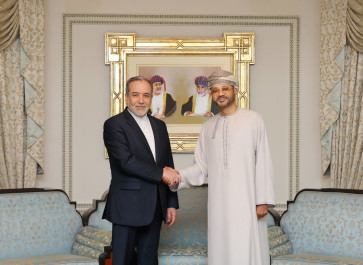
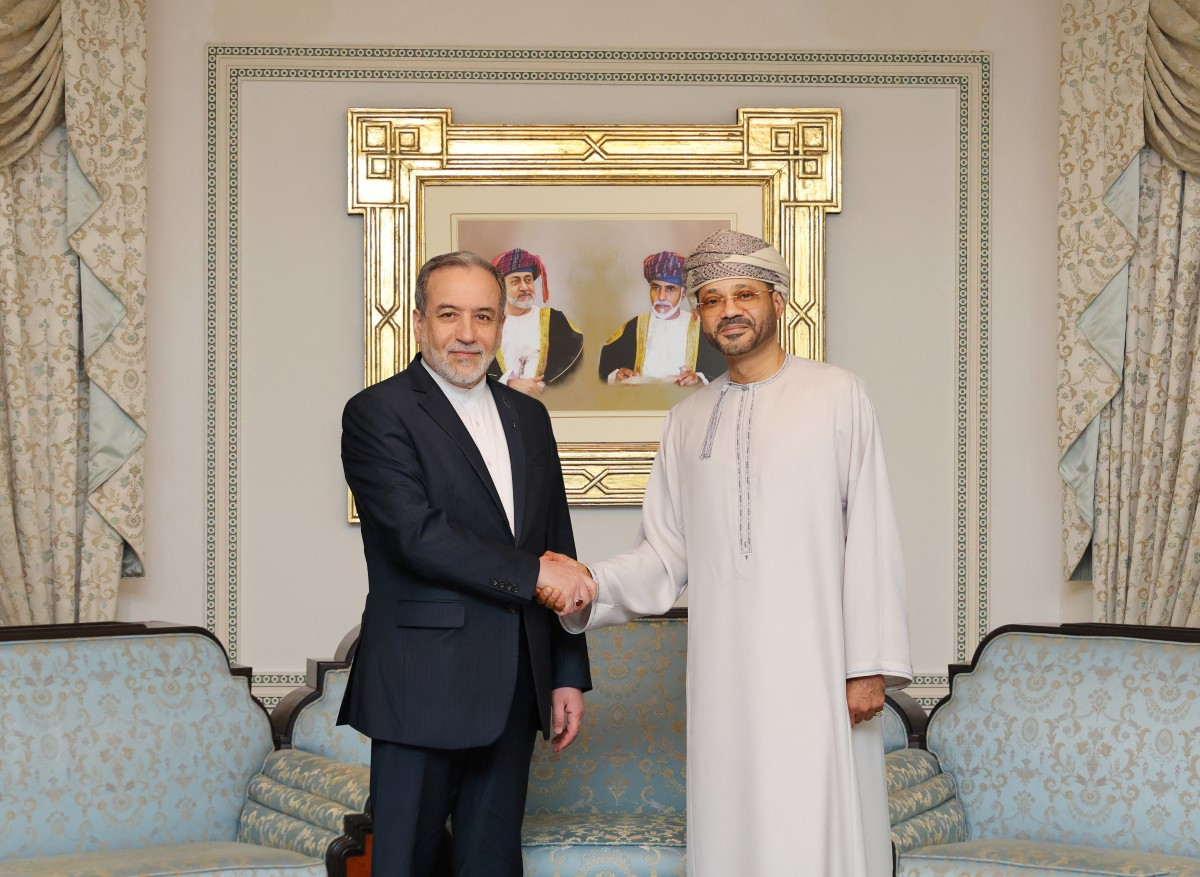 This handout photo from by Omani Ministry of Foreign Affairs released on February 6, 2026, shows Iranian Foreign Minister Abbas Araghchi (left), shaking hands with Oman Foreign Minister Badr bin Hamad al-Busaidi, in Muscat on February 6, 2026. (AFP/AFP)
T
he talks between the United States and Iran in Muscat have been greeted with the usual ritual of overinterpretation. Optimists see the faint outline of renewed diplomacy, while pessimists detect another episode of strategic theater.
Both camps miss the point. These discussions are neither a revival of détente nor a prelude to a grand bargain. They are something narrower, colder and more unsettling: a mechanism for managing escalation in a region where deterrence is fraying and clocks are ticking.
History provides a necessary reminder. Throughout the Cold War, Washington and Moscow communicated regularly, even during the darkest hours of the Cuban Missile Crisis. Their survival rested not on trust, but on the existence of a functional channel to prevent catastrophe. The Muscat channel exists in this tradition; it is not a bridge to restored friendship, but a safety valve to prevent regional combustion.
The conditions for a comprehensive US–Iran agreement simply no longer exist. The 2015 nuclear deal (JCPOA) was a product of a brief alignment: Iran sought sanctions relief, the US sought non-proliferation and regional spoilers were momentarily sidelined.
Today, that alignment has vanished. Tehran’s threat perception has deepened, Washington’s domestic politics have hardened and the Middle East is significantly more volatile. To expect a breakthrough from Muscat is to misunderstand the incentives of both sides.
What does exist is a shared recognition of cost. Neither Washington nor Tehran believes a confrontation would be clean, contained or strategically decisive. Deterrence still operates, but it operates poorly. When each side doubts the other’s restraint and assumes malign intent, miscalculation becomes the primary risk.

Oman’s role is therefore not incidental. Muscat has long specialized in low-visibility diplomacy, offering a venue where messages pass without political ownership and red lines are tested without public commitment. In a region addicted to symbolism, Oman provides the essential service of discretion.