TheJakartaPost
Please Update your browser
Your browser is out of date, and may not be compatible with our website. A list of the most popular web browsers can be found below.
Just click on the icons to get to the download page.


Popular Reads
Top Results
No results found. Please check your search term and try again
Can't find what you're looking for?
View all search results
Popular Reads
Top Results
No results found. Please check your search term and try again
Can't find what you're looking for?
View all search resultsHigh-rise, high-risk plan
Jakarta Governor Pramono Anung has thrown his weight behind the President’s proposal to build an office for Muslim organizations, but needs to suggest an alternative site.
Change text size
Gift Premium Articles
to Anyone
Share the best of The Jakarta Post with friends, family, or colleagues. As a subscriber, you can gift 3 to 5 articles each month that anyone can read—no subscription needed!
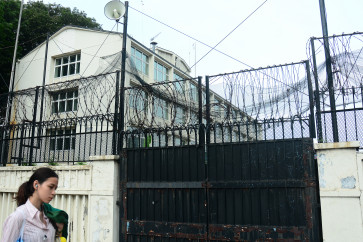
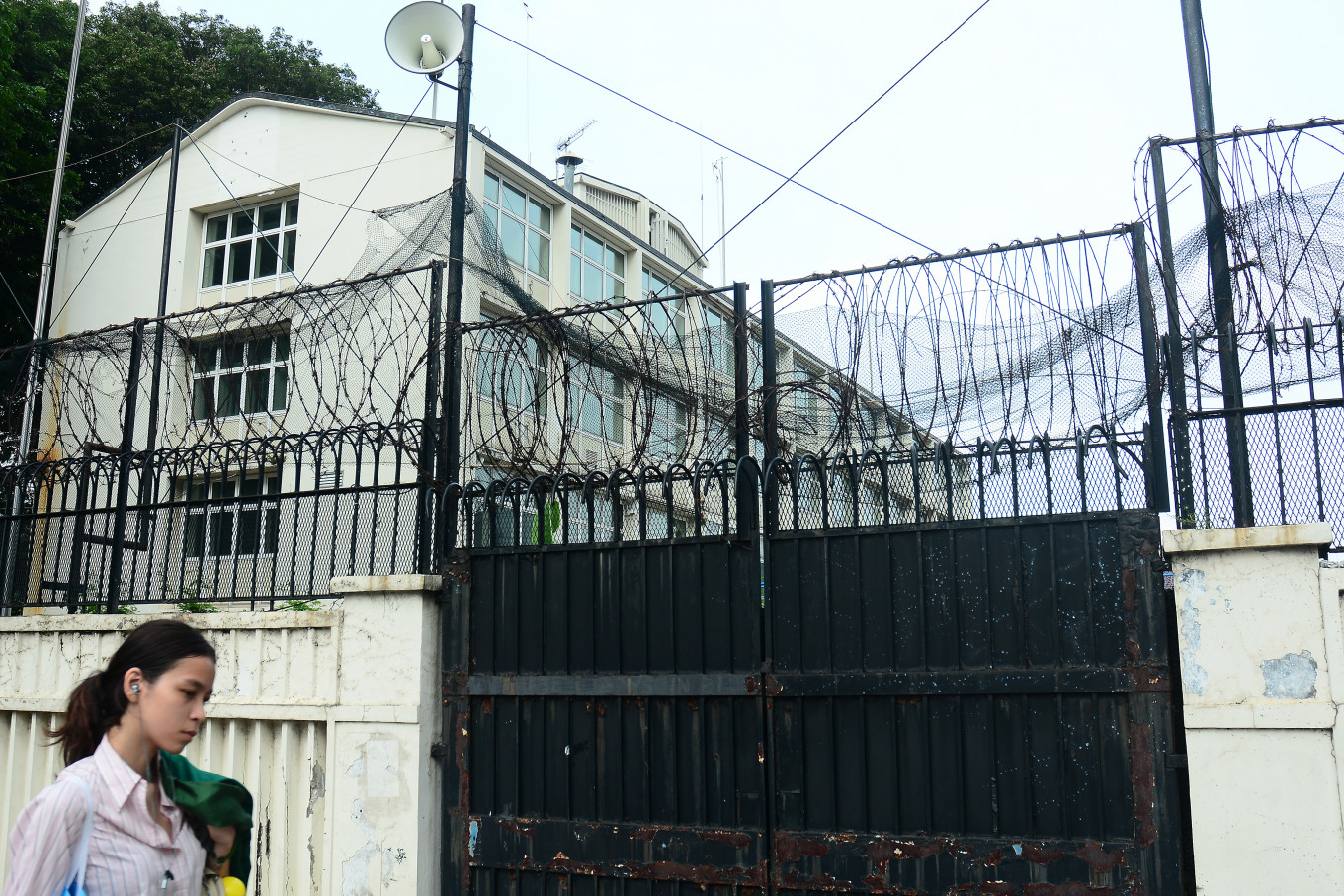 A woman walks past the former British Embassy building near the Hotel Indonesia traffic circle in Central Jakarta on Feb. 10, 2026. President Prabowo Subianto has announced the allocation of a 4,000-square-meter plot at the site for the construction of a 40-story Indonesian Ulema Council (MUI) skyscraper, dubbed the “Umat Building.” (JP/Iqro Rinaldi)
U
rban modernity is not measured only by the number of skyscrapers and shopping arcades dotting a city, but also in the way its inhabitants value its history. Jakarta is now facing a complicated modernity test as the central government plans to build a 40-story building on a plot where the British Embassy used to sit near the iconic Hotel Indonesia traffic circle until it moved to the Kuningan area in 2016.
The initiative to repurpose the 64-year-old structure followed a meeting between President Prabowo Subianto and Indonesian Ulema Council (MUI) leaders last week. During the gathering the President said he had prepared a plot of land near the traffic circle to build a joint headquarters for the MUI and several other Muslim organizations. It was Agrarian and Spatial Planning Minister Nusron Wahid, who is also a senior MUI official, who explicitly referred to the former embassy as the site promised by the President.
As if to justify the grand plan, Religious Affairs Minister Nasaruddin Umar said he could not sleep well at night until the MUI could afford a decent office building. "Without intending to make comparisons, the KWI [Bishops' Conference of Indonesia] office in Menteng was built with nine floors. What about us [MUI]? Even finding a parking space is incredibly difficult. Forgive me, but this is hardly fitting for the leaders of the world's largest Muslim population," he said.
Certainly, the MUI deserves a more spacious office than its current headquarters on Jl. Proklamasi, Central Jakarta, in order to serve the Muslim community better. Muslims account for 87 percent of Indonesia’s population of 287 million, making Indonesia the world’s largest predominantly Muslim country.
The question is, however, should cultural heritage, or more broadly the rule of law, be sacrificed to this noble intention?
In 2016, the Jakarta administration officially designated the former British Embassy as a Class B heritage building. Under provincial regulations, this status is reserved for landmarks that are at least 50 years old and possess exceptional rarity, architectural significance and original character. Crucially, such buildings are legally protected from demolition. This local mandate is bolstered by the 2010 Cultural Heritage Law, which stipulates that any development or adaptive reuse requires explicit approval from the Culture Ministry or local authority. Even then, any modifications must strictly preserve the building’s iconic facade and its original historical essence.

Unless the Jakarta ordinance and the law are amended to pave the way for the government’s plan, which should not happen, the structure must stand. Jakarta Governor Pramono Anung has thrown his weight behind the President’s proposal, but needs to suggest an alternative site.