The Jakarta Post
Please Update your browser
Your browser is out of date, and may not be compatible with our website. A list of the most popular web browsers can be found below.
Just click on the icons to get to the download page.


Popular Reads
Top Results
No results found. Please check your search term and try again
Can't find what you're looking for?
View all search results
Popular Reads
Top Results
No results found. Please check your search term and try again
Can't find what you're looking for?
View all search resultsThe rise of foreign policy presidents in leaderless world
In a world increasingly governed by the cynical logic of "might makes right," Indonesia is stepping forward to prove that visionary leadership and regional cooperation remain our most potent tools for reclaiming global peace.
Change text size
Gift Premium Articles
to Anyone
Share the best of The Jakarta Post with friends, family, or colleagues. As a subscriber, you can gift 3 to 5 articles each month that anyone can read—no subscription needed!
 Set as preferred source
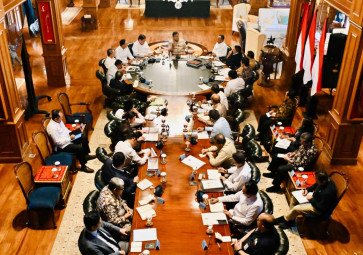
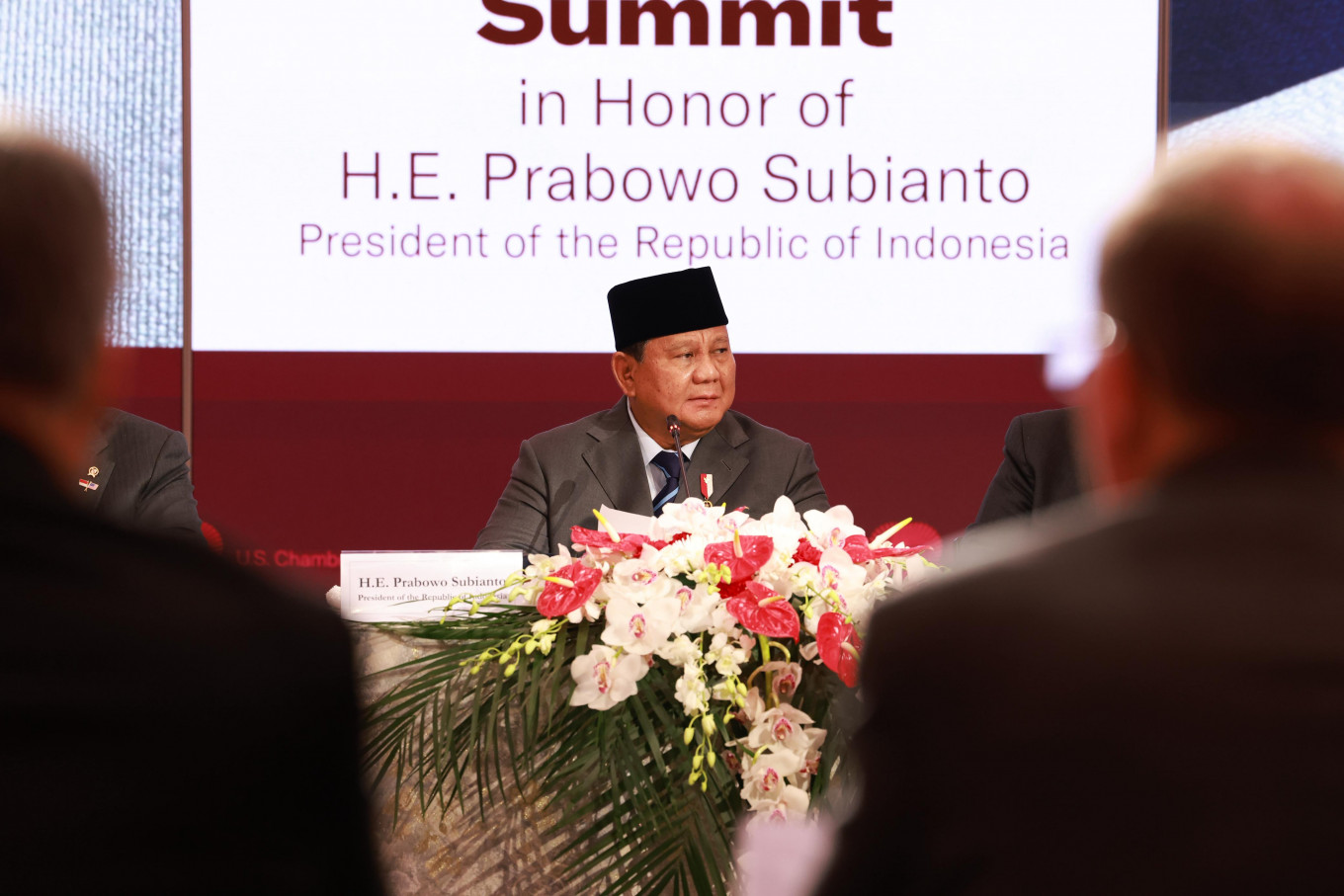 President Prabowo Subianto sits at his table on Wednesday during the United States-Indonesia Business Summit hosted by the US Chamber of Commerce in Washington, D.C.
(Courtesy of/BPMI Setpres)
President Prabowo Subianto sits at his table on Wednesday during the United States-Indonesia Business Summit hosted by the US Chamber of Commerce in Washington, D.C.
(Courtesy of/BPMI Setpres)
“Might makes right” appears to have become the contemporary global norm, governing foreign policy, power dynamics and economic competition alike. This adage suggests that those possessing superior strength or influence have the unilateral ability to create and impose rules - often while circumventing them themselves.
We see the footprints of this philosophy everywhere: from the devastating conflict in Gaza and escalating Iran-Israel tensions to the instability in Sudan and the protracted war in Ukraine. The development front is equally grim; countries that once championed the Sustainable Development Goals (SDGs) and ambitious climate targets are now backtracking or only reluctantly acknowledging their prior commitments. All these factors point to a vacuum in global leadership and a dwindling willingness to maintain the strategic foresight necessary to manage these multifaceted crises.
As we enter the Chinese New Year, marking the Year of the Fire Horse, it is fitting to seek the perspective of diplomats on what lies ahead. While diplomats are not fortune tellers, they possess a keen sensitivity to gathering diplomatic storms and impending geopolitical disasters. Ideally, the Year of the Fire Horse will bring a surge of dynamic energy, emphasizing change, independence and creativity.
However, a logical assessment suggests the world ahead is unlikely to become safer or more prosperous in the immediate future. This is not mere cynicism; if the current trajectory remains unchanged and there is no concerted goodwill to reverse it, a bleak future will soon become a fixed reality.
In today’s global turbulence, "inward-looking" foreign policies are proliferating - a worrying omen for international cooperation. Phrases like “every nation for themselves” or “what’s in it for me?” have become the standard justification for official positions on issues ranging from draconian migration measures to unilateral trade barriers.
This "disease" of isolationism is spreading, creating a cycle of mimicry and reactionary policies across the globe. To navigate these interconnected challenges, we urgently require visionary, internationalist leadership that can remind others of our fundamental interdependence.

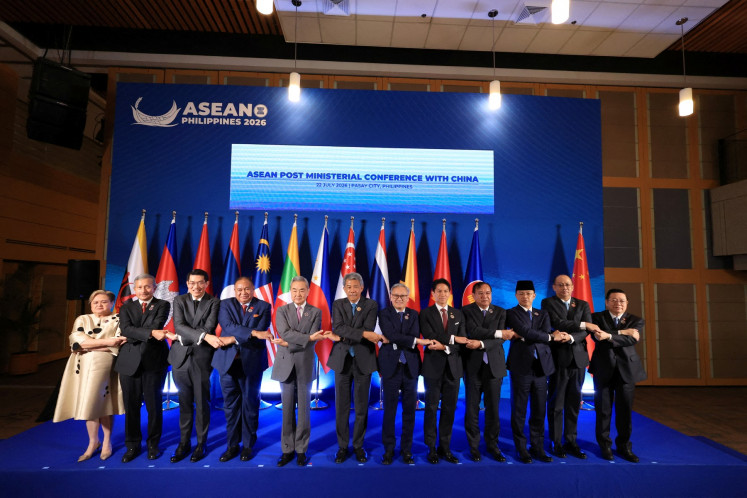
Some pundits argue that we must first secure effective leadership at the regional level. This is a practical starting point if we truly intend to build a better world. In this regard, we are fortunate to have seen regional leadership work in concert to resolve the recent border conflict between Thailand and Cambodia.