The Jakarta Post
Please Update your browser
Your browser is out of date, and may not be compatible with our website. A list of the most popular web browsers can be found below.
Just click on the icons to get to the download page.


Popular Reads
Top Results
No results found. Please check your search term and try again
Can't find what you're looking for?
View all search results
Popular Reads
Top Results
No results found. Please check your search term and try again
Can't find what you're looking for?
View all search resultsWhen the moons align: Lunar New Year, Lent and Ramadan
Whether it is the 40-day Lenten period of repentance leading to Easter, the month of Ramadan dedicated to the Quran and spiritual growth or the Lunar New Year’s focus on clearing out the old to welcome a fresh start, these traditions share profound themes of inner conversion and social responsibility.
Change text size
Gift Premium Articles
to Anyone
Share the best of The Jakarta Post with friends, family, or colleagues. As a subscriber, you can gift 3 to 5 articles each month that anyone can read—no subscription needed!
 Set as preferred source
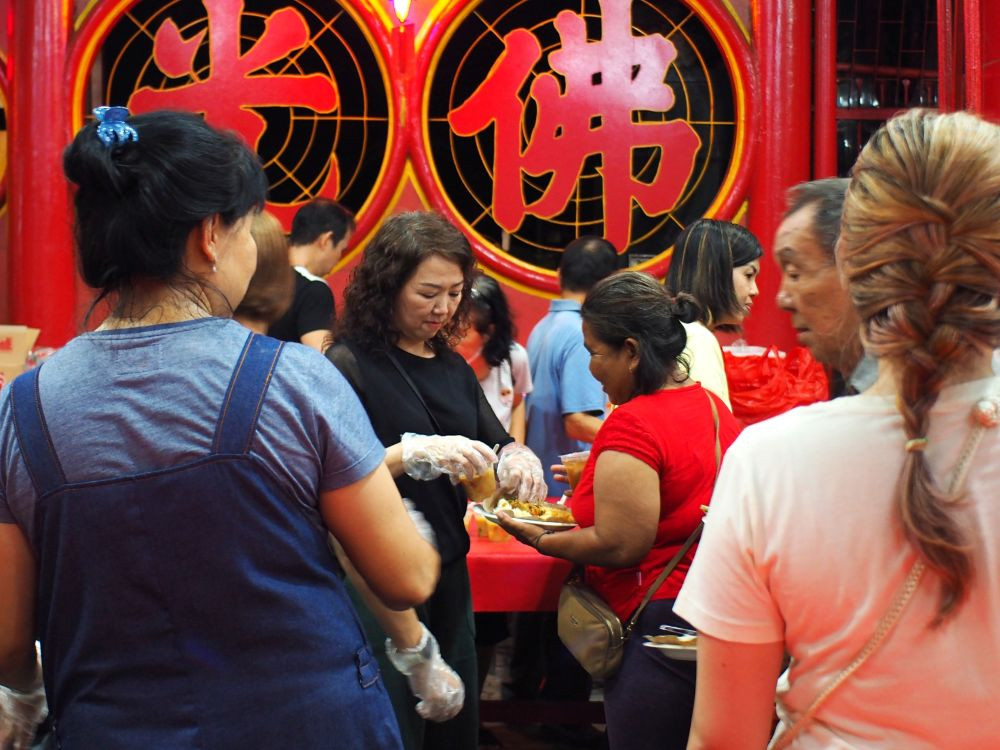 Neighborly communion: Volunteers distribute free food to Muslim community members for iftar on April 18, 2024, at the Dharma Bhakti Temple in Taman Sari, West Jakarta. (JP/Iqro Rinaldi)
I
n 2026, the Gregorian calendar witnesses a rare and profound confluence of major cultural and religious observances: the Lunar New Year on Feb. 17, Ash Wednesday on Feb. 18 and the start of Ramadan on Feb. 18 or 19. This overlap creates an unprecedented, extended period of fasting, reflection and celebration that transcends faith communities and cultural boundaries.
As the Islamic lunar calendar is roughly 11 days shorter than the solar year, Ramadan rotates through the seasons over a 33-year cycle. When this cycle aligns with the lunisolar Chinese calendar and the Gregorian-based Lenten season, it creates a unique cultural moment that is particularly influential in Southeast Asia, where diversity brings high consumer demand for both festive goods and spiritual fulfillment simultaneously.
The concurrent observance of Lent and Ramadan in 2026 fosters deeper intercommunal relationships and empathy by highlighting shared values of prayer, charity and self-restraint. While these traditions have different origins, their overlap highlights a shared humanity and invites a level of interfaith solidarity that moves beyond mere coexistence toward active friendship.
Both Christian and Islamic traditions involve fasting, which creates a common, lived experience of empathy for the poor and vulnerable. This shared spiritual time encourages solidarity through joint community service, interfaith iftars and mutual respect, effectively breaking down stereotypes and replacing negative narratives with those of friendship and common humanity.
This year, solidarity is taking the form of concrete community initiatives that bridge the gap between the pews, the mosques and the festive halls. In many urban centers, we are seeing the rise of "compassion kitchens”, where Christian youth groups observing Lenten sacrifice and Muslim volunteers preparing for buka bersama (breaking-of-fast get-together) join forces to cook and distribute meals to the homeless.
Furthermore, the 2026 alignment has sparked a unique "eco-spirituality" movement. Since both Lent and Ramadan emphasize stewardship and self-denial, several interfaith councils have launched "green Lent and Ramadan" campaigns, encouraging devotees to reduce plastic waste during their respective rituals and festive gatherings, thereby turning individual religious discipline into a collective effort for environmental preservation.

Beyond spiritual reflection, businesses and communities are finding creative ways to blend these traditions. Inclusivity is fostered through shared meals, such as the production of halal-certified Lunar New Year dishes and festive bazaars that cater to multiple backgrounds. Traditions like the Dugderan in Semarang exemplify this by blending Javanese, Chinese and Arab cultures to welcome the holy month.