TheJakartaPost
Please Update your browser
Your browser is out of date, and may not be compatible with our website. A list of the most popular web browsers can be found below.
Just click on the icons to get to the download page.


Popular Reads
Top Results
No results found. Please check your search term and try again
Can't find what you're looking for?
View all search results
Popular Reads
Top Results
No results found. Please check your search term and try again
Can't find what you're looking for?
View all search resultsThe world is learning to work around America
As the era of American hegemony comes to an end, the outlines of what may come next are coming into view.
Change text size
Gift Premium Articles
to Anyone
Share the best of The Jakarta Post with friends, family, or colleagues. As a subscriber, you can gift 3 to 5 articles each month that anyone can read—no subscription needed!
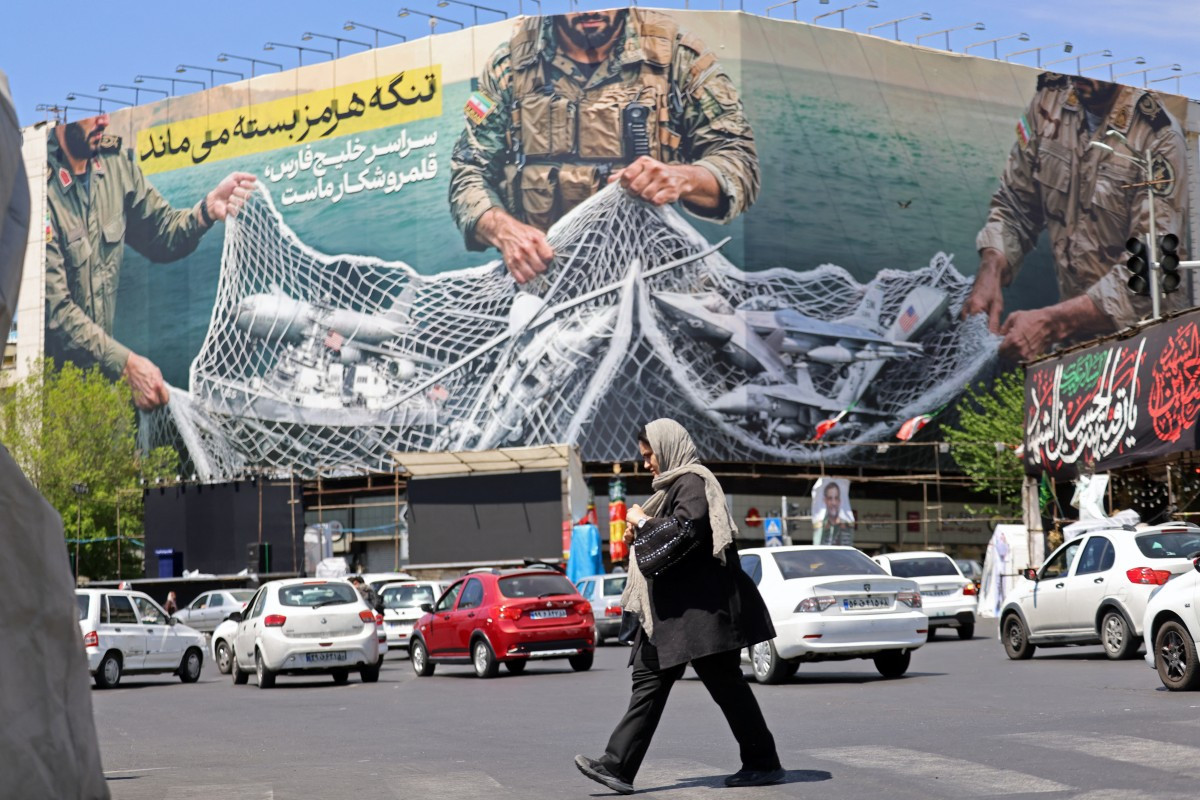 A woman walks past a giant billboard on April 12, 2026, reading 'The Strait of Hormuz remains closed' at the Revolution Square in Tehran. (AFP/Atta Kenare)
E
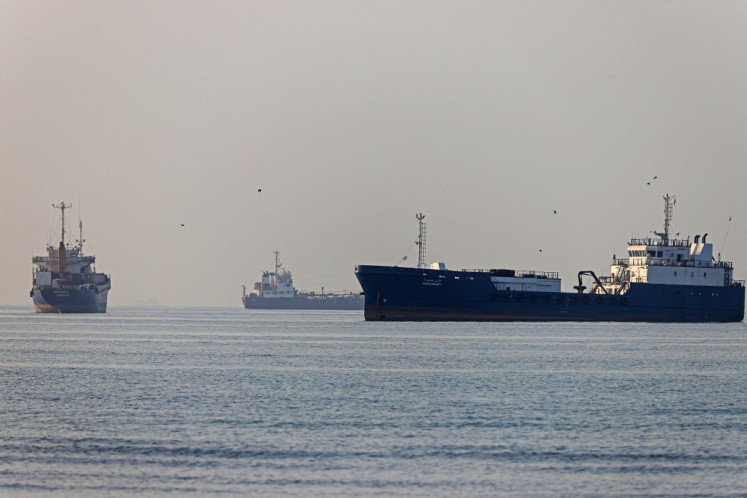
ven as Israeli bombs rained down on Lebanon, most of the world breathed a cautious sigh of relief when news broke that Pakistan had mediated a ceasefire between the United States and Iran, with the goal of reopening the Strait of Hormuz.
The reprieve, however, was not the product of sudden restraint by US President Donald Trump. Behind the scenes, US officials had pressed Pakistan to broker an agreement that would allow Trump to step back from his threats to destroy Iran’s “whole civilization” if it did not relent. The ceasefire, in other words, came about not because the world’s most powerful military imposed order, but because it was forced to contain a crisis of its own making.
While the ceasefire Pakistan negotiated is tenuous, and Iran continues to control the Strait of Hormuz (which Trump now plans to blockade after negotiations stalled), this dynamic points to a deeper shift. As the era of US hegemony comes to an end, the outlines of what may come next, with countries of the Global South exercising their leadership to shape an emerging world order, are coming into view.
The war against Iran highlights the unsustainability of a global order built on ultimatums and military might. While the system’s fragility has become unmistakable under Trump, this moment has been long in the making. Trump’s extrajudicial killings of suspected drug traffickers in the Caribbean, for example, echo the practices of his predecessors who refined drone warfare as a central instrument of US power. Likewise, hostility toward China, the isolation of Cuba, unconditional support for Israel and a hardline stance on Iran were all pillars of both Democratic and Republican administrations’ foreign policy.
Undeniably, US unilateralism has intensified over the past year. Trump’s tariffs and severe foreign-aid cuts, his menacing of Greenland, the kidnapping of former Venezuelan President Nicolas Maduro, and the illegal, ill-conceived war on Iran, whose aftershocks have been felt across the global economy, are all evidence of this escalation.
The closure of the Strait of Hormuz poses what the International Energy Agency has described as the “greatest threat to global energy security in history,” but the economic fallout is likely to be uneven. A close historical parallel is the oil shock that followed the 1970s embargo, which recast wars in the region as threats to energy flows and helped plunge many developing countries into the debt crises that defined the 1980s.

Yet the Hormuz crisis better recalls Egypt’s closure of the Suez Canal in 1956, which followed a joint United Kingdom, French, and Israeli invasion aimed at seizing the waterway and removing Egypt's President Gamal Abdel Nasser. The failure of that intervention exposed the terminal decline of Europe’s imperial power and contributed to the emergence of the non-aligned movement in the early 1960s.