TheJakartaPost
Please Update your browser
Your browser is out of date, and may not be compatible with our website. A list of the most popular web browsers can be found below.
Just click on the icons to get to the download page.


Popular Reads
Top Results
No results found. Please check your search term and try again
Can't find what you're looking for?
View all search results
Popular Reads
Top Results
No results found. Please check your search term and try again
Can't find what you're looking for?
View all search resultsLessons from the Iran crisis for the Indo-Pacific
As the Iran crisis draws US attention back to West Asia, the Indo-Pacific faces a dangerous vacuum in leadership and deterrence. This strategic overstretch is forcing regional powers like Japan, Australia and India to abandon their reliance on Washington and seize control of their own security destinies.
Change text size
Gift Premium Articles
to Anyone
Share the best of The Jakarta Post with friends, family, or colleagues. As a subscriber, you can gift 3 to 5 articles each month that anyone can read—no subscription needed!
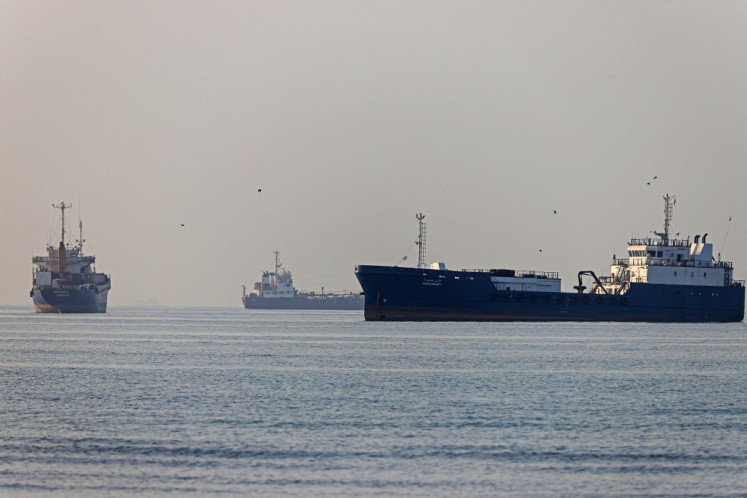
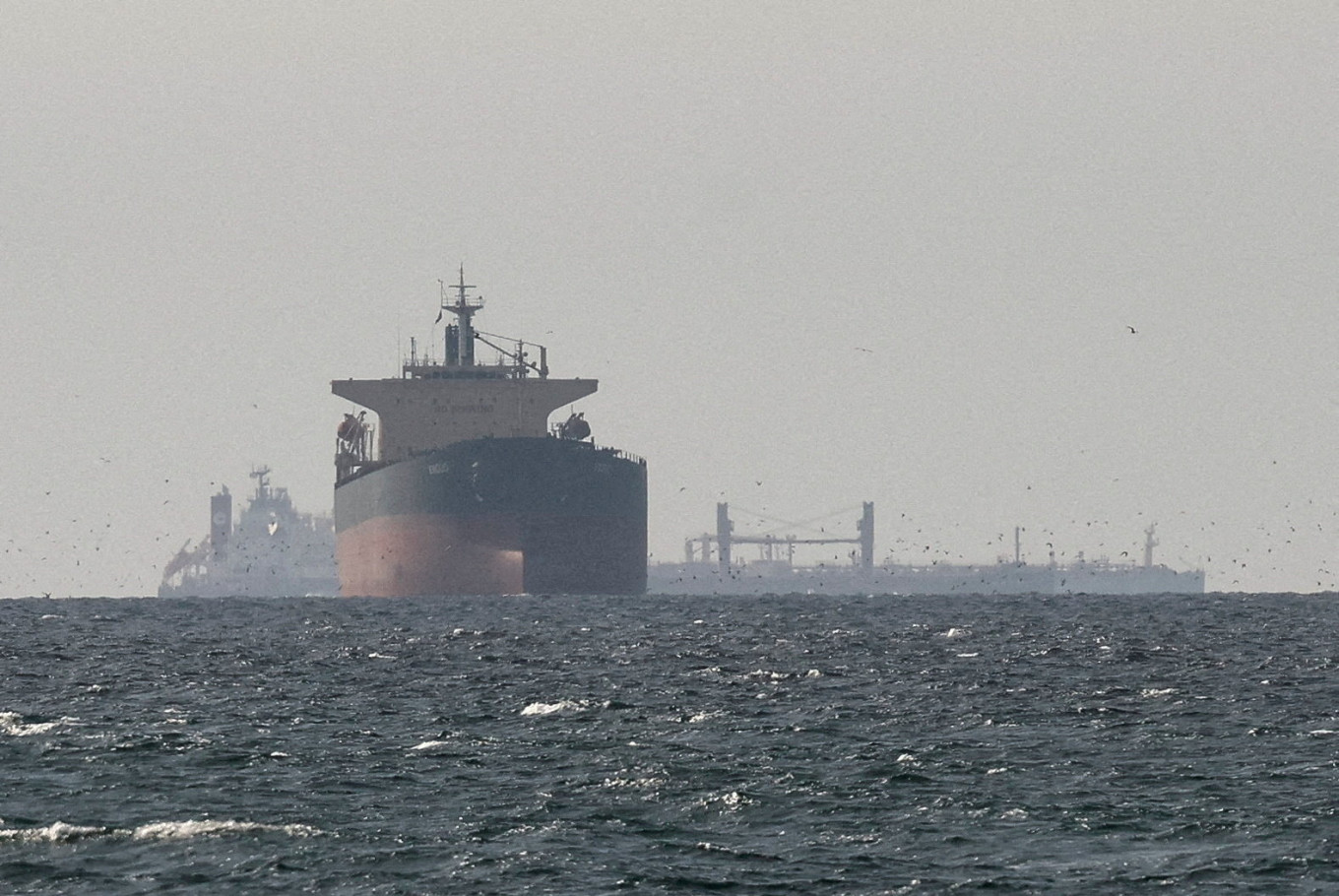 In this file photo dated March 11, 2026, cargo ships in the Gulf, near the Strait of Hormuz, as seen from northern Ras al-Khaimah, near the border with Oman’s Musandam governance, amid the US-Israeli conflict with Iran, in the United Arab Emirates. (Reuters/Stringer)
T
he Iran crisis has once again demonstrated how deeply interconnected regional conflicts have become in an era of globalized security. What may appear to be a geographically isolated confrontation in West Asia has tangible consequences for the Indo-Pacific, particularly regarding deterrence, alliance cohesion and economic stability.
Is the United States underprepared for the Indo-Pacific? Is strategic distraction in one theater eroding credibility and capability in another? Notably, the US did not consult its Indo-Pacific partners when initiating the Iran crisis or when seeking subsequent agreements.
At the core of this concern lies the apprehension of strategic overstretch. The US, the principal security provider in both West Asia and the Indo-Pacific, finds itself juggling competing demands for finite military and political resources. The Iran crisis has necessitated renewed deployments, heightened attention, and logistical support in West Asia, inevitably drawing focus away from the rest of Asia.
For Indo-Pacific partners, this is not merely an abstract concern but a concrete risk. Deterrence in the region depends heavily on the perception of sustained US presence and preparedness. Any weakening of that perception, even temporarily, introduces uncertainty into the regional balance at a time when China is steadily expanding its military and economic influence.
This uncertainty directly affects the credibility of alliances. The Indo-Pacific security architecture is built on a network of partnerships with the US at its center. Yet, alliances are sustained not merely by formal commitments, but by confidence in their efficacy, consistency and prioritization.
The Iran crisis raises difficult questions for key allies such as Japan and Australia. In Japan, where constitutional constraints and public opinion limit military engagement, there is visible discomfort with being drawn into conflicts outside its immediate regional context. The crisis has reinforced an abiding anxiety in Tokyo that external involvement could diminish the US ability to maintain its commitments in the Indo-Pacific.

Australia, traditionally among Washington’s most steadfast allies, has responded with a strategic recalibration. Canberra is increasingly aware that reliance on a single external guarantor carries risks, particularly when that partner is distracted by simultaneous challenges across varying sectors.