The Jakarta Post
Please Update your browser
Your browser is out of date, and may not be compatible with our website. A list of the most popular web browsers can be found below.
Just click on the icons to get to the download page.


Popular Reads
Top Results
No results found. Please check your search term and try again
Can't find what you're looking for?
View all search results
Popular Reads
Top Results
No results found. Please check your search term and try again
Can't find what you're looking for?
View all search resultsOfficials mull ways to keep JKN afloat amid deficit
Change text size
Gift Premium Articles
to Anyone
Share the best of The Jakarta Post with friends, family, or colleagues. As a subscriber, you can gift 3 to 5 articles each month that anyone can read—no subscription needed!
 Set as preferred source
T
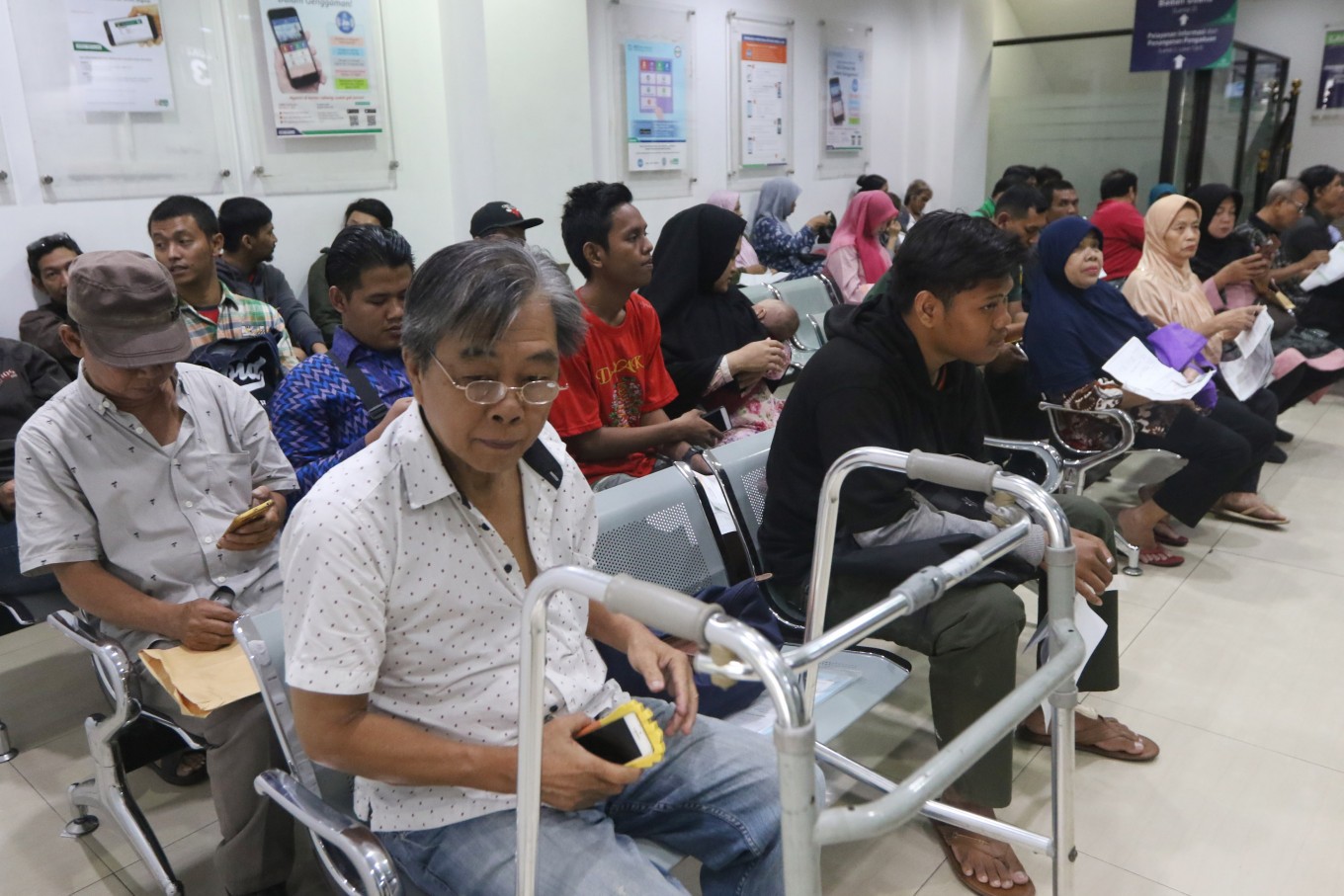
he government is facing calls from experts to facilitate more sustainable health financing to keep the National Health Insurance (JKN) afloat, with a deeper funding deficit looming even as the government continues to battle the COVID-19 health crisis.
Athia Yumna, research and outreach deputy director at the SMERU Research Institute, emphasized during an online discussion on July 29 that sustainable financing was the key determinant to solving the national health insurer's long-standing deficit.
She recommended, for example, that the government impose a sin tax on cigarettes, shift the JKN subsidy from full to partial coverage, and boost public-private partnerships to expand fiscal space.
In addition, she said that having centralized procurement and supply management through greater use of electronic inventory systems and implementing the Health Technology Assessments — a health technology evaluation tool to inform policy-making — would help make the JKN more efficient.