The Jakarta Post
Please Update your browser
Your browser is out of date, and may not be compatible with our website. A list of the most popular web browsers can be found below.
Just click on the icons to get to the download page.


Popular Reads
Top Results
No results found. Please check your search term and try again
Can't find what you're looking for?
View all search results
Popular Reads
Top Results
No results found. Please check your search term and try again
Can't find what you're looking for?
View all search resultsWhen ‘no’ means no
Which part of “no” did we not understand?
Change text size
Gift Premium Articles
to Anyone
Share the best of The Jakarta Post with friends, family, or colleagues. As a subscriber, you can gift 3 to 5 articles each month that anyone can read—no subscription needed!
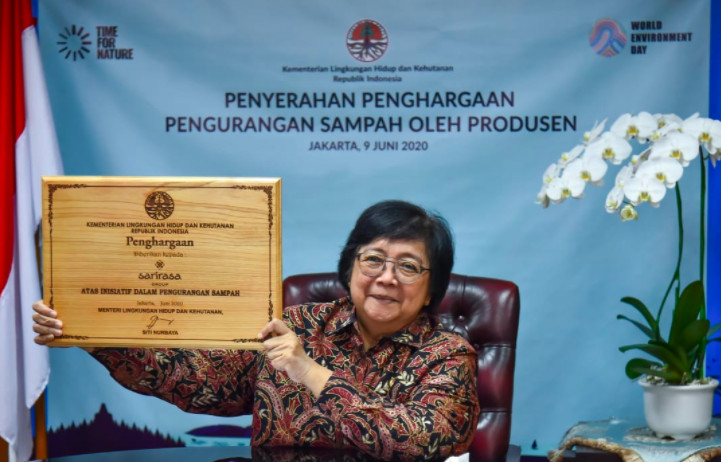
As soon as President Joko “Jokowi” Widodo, along with more than 100 other leaders attending the United Nations Climate Change Conference (COP26), signed the landmark deal on “no deforestation” by 2030 on Nov. 2, his Forestry and Environment Minister Siti Nurbaya Bakar put out a qualifier: For Indonesia, it does not mean a complete stop to deforestation.
Which part of “no” did we not understand?
Siti made the explanation of Indonesia’s position within 24 hours of the agreement, during a meeting with Indonesian overseas students in the Scottish city of Glasgow, the United Kingdom, where COP26 is taking place. She posted the statement to the same effect on her social media accounts, in Bahasa Indonesia, to make sure folks back home know where Indonesia stands.
Should she not have explained this to the global audience at the conference? Having signed the agreement, Indonesia owes an explanation to the world. Sure enough, within days, news reached Glasgow of Indonesia’s about-face, but not from official sources.
Is Indonesia trying to pull a fast one at COP26? On the one hand, Indonesia joins the world in the call to stop deforestation, but on the other, it is telling the nation, in Siti’s words, that there was no way that the government would sacrifice Jokowi’s “massive development programs” in the name of “zero deforestation” and “zero carbon emissions”.
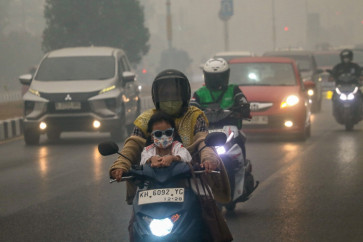
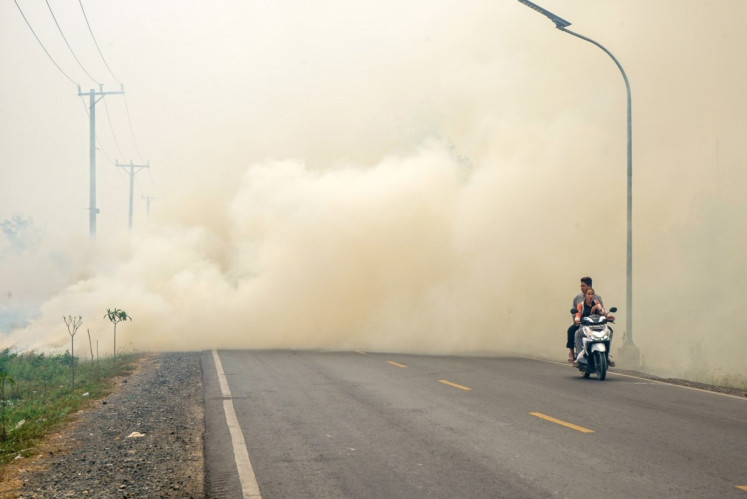
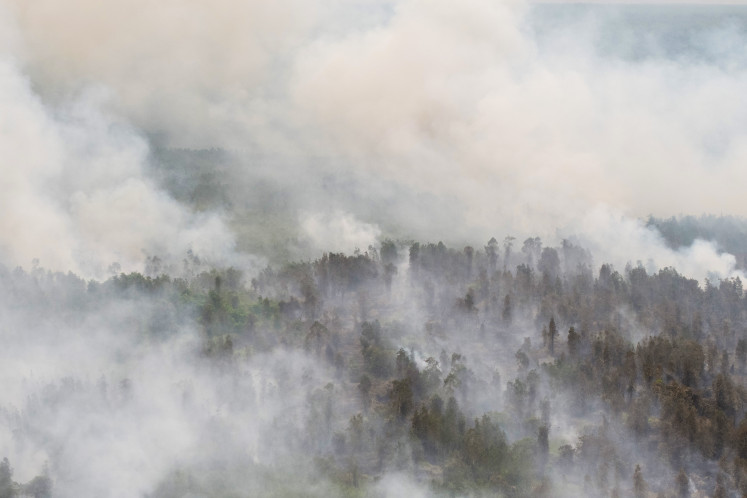
That the government should take this position is not surprising, though still disappointing. For years, the government’s promise to slow deforestation has come unstuck in the name of economic development, although the real beneficiaries of these programs are not so much the people living in the forest areas as the government would claim, but the big corporations who are turning large tracts of forests primarily into oil palm plantations.
Why did Indonesia sign the deal, when it was obvious to all that the agreement means zero deforestation by 2030. No means no. No other countries with large forests to protect like Brazil and the Democratic Republic of Congo have opted out of the agreement.







to Read Full Story
- Unlimited access to our web and app content
- e-Post daily digital newspaper
- No advertisements, no interruptions
- Privileged access to our events and programs
- Subscription to our newsletters
or
Purchase access to this article for
We accept



Redirecting you to payment page
Pay per article
When ‘no’ means no
Rp 35,000 / article
1
Get started by logging in or creating your account
By proceeding, you consent to the revised
Terms of Use, and Privacy Policy.
Don't have an account?
Create your free account
By proceeding, you consent to the revised
Terms of Use, and Privacy Policy.
Already have an account?
2
- Palmerat Barat No. 142-143
- Central Jakarta
- DKI Jakarta
- Indonesia
- 10270
- +6283816779933
2



Total
Rp 35,000
Your Opinion Matters
Share your experiences, suggestions, and any issues you've encountered on The Jakarta Post. We're here to listen.
Enter at least 30 characters
0
/ 30
Thank You
Thank you for sharing your thoughts. We appreciate your feedback.
Share options
Quickly share this news with your network—keep everyone informed with just a single click!
Gift Premium Articles
to Anyone
Share the best of The Jakarta Post with friends, family, or colleagues. As a subscriber, you can gift 3 to 5 articles each month that anyone can read—no subscription needed!
Continue in the app
Get the best experience—faster access, exclusive features, and a seamless way to stay updated.