The Jakarta Post
Please Update your browser
Your browser is out of date, and may not be compatible with our website. A list of the most popular web browsers can be found below.
Just click on the icons to get to the download page.


Popular Reads
Top Results
No results found. Please check your search term and try again
Can't find what you're looking for?
View all search results
Popular Reads
Top Results
No results found. Please check your search term and try again
Can't find what you're looking for?
View all search resultsASEAN summit ends with push to fast-track oil share pact
Leaders meeting on the Philippine island of Cebu stressed the urgency of a joint approach beyond the oil-sharing pact for the region that depends heavily on oil imports, making it particularly exposed to the unprecedented energy supply disruption caused by the effective closure of the Strait of Hormuz.
Change text size
Gift Premium Articles
to Anyone
Share the best of The Jakarta Post with friends, family, or colleagues. As a subscriber, you can gift 3 to 5 articles each month that anyone can read—no subscription needed!
 Set as preferred source
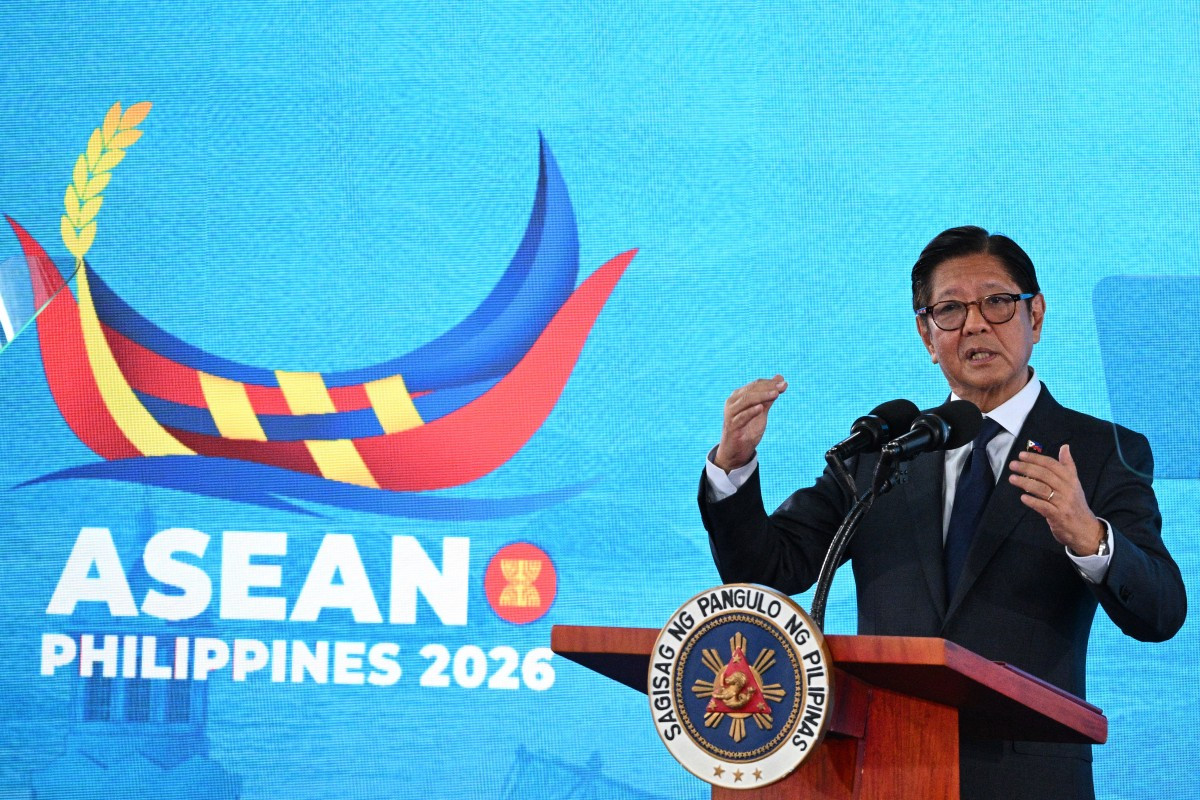 Philippines' President Ferdinand Marcos Jr. takes part in a press conference during the 48th Association of Southeast Asian Nations (ASEAN) summit in Cebu, central Philippines, on May 8, 2026. (AFP/Ted Aljibe)
S
outheast Asian leaders were united on Friday in calling for a regional fuel-sharing framework to be ratified quickly, as their summit ended without a plan for a more immediate response to the impacts of the Middle East crisis.
Leaders meeting on the Philippine island of Cebu stressed the urgency of a joint approach beyond the oil-sharing pact for the region that depends heavily on oil imports, making it particularly exposed to the unprecedented energy supply disruption caused by the effective closure of the Strait of Hormuz.
Chair of the Association of Southeast Asian Nations, Philippine President Ferdinand Marcos Jr, expressed optimism that the members' ratification of the voluntary, commercial-based framework would be completed as soon as possible, but said the mechanics needed to be worked out.
"We're trying to examine everything we can do," he told a press conference when asked about frustrations that the plan could not be implemented immediately.
"How is the sharing? Who gets what? How do you pay for it? Do you pay for it? Is it an exchange? ... We haven't done it before," he said.
"And what do we do about the others who are also in need? Who comes first? Those are the questions that still need to be decided."
As efforts continue to try to end the Middle Eastern conflict, the leaders are expected to issue a statement calling for a negotiated settlement between the United States and Iran.
It will also urge a reopening of the Strait of Hormuz, a conduit for about 130 vessels a day and a fifth of the world's oil and gas supplies before the conflict.
ASEAN, with a population of nearly 700 million people and economies worth a combined $3.8 trillion, faces significant risks from the war, and the Philippines - among the first countries in the world to declare an energy emergency - has pushed for the ASEAN oil framework to be introduced more swiftly.
But coordination is a challenge for ASEAN. Despite rapid growth of its individual economies, integration has been slow, with vast differences between its 11 members and no central authority to ensure compliance with ASEAN agreements and initiatives.
Economic ministers on Thursday "identified practical, concrete response measures" to ensure energy and food security, such as diversifying suppliers and routes, but the proposals lacked specific details and it was unclear what, if any, action might be taken.
In remarks to leaders, Marcos said the Iran war had created a domino effect of disruption that highlighted how vulnerable Southeast Asia's economies were, echoing other leaders' calls for mechanisms to insulate the region from future energy shocks.
"A few weeks worth of disruptions will take years to be corrected," he said.
Indonesian President Prabowo Subianto said energy supply pressures on ASEAN would not ease soon, adding "our resilience must be built proactively with a clear forward-looking approach".
Read also: ASEAN must brace for global crises, warns Prabowo
Marcos said his country had proposed the creation and hosting of an ASEAN maritime center, to coordinate on issues over the South China Sea, one of the world's most contested waterways, where China and the Philippines have engaged in repeated confrontations.
Beijing's claims of sovereignty cover almost the entire South China Sea and include parts of the exclusive economic zones of ASEAN members Malaysia, Brunei, Vietnam, Indonesia and the Philippines.
Marcos said the ASEAN maritime center would not be a mechanism to confront any single country, but to ensure freedom of navigation in shipping lanes that carry over $3 trillion in annual trade, which he likened to the Strait of Hormuz.
"We are all very, very aware of the effects of that. But if such a thing would happen in the South China Sea, the inevitable consequences would be alarming just to even think about," he said, describing the status quo as "unreadable".
ASEAN is sticking to its target of completing a protracted code of conduct with Beijing on the South China Sea by the end of this year and its secretary-general on Thursday told Reuters there was "real progress" with negotiations.
Marcos also said there had been a "nanoshift" in ASEAN's views on Myanmar and "vibrant and emotional discussions" among its leaders on engagement with the new, nominally civilian government, but that little progress had been made to end its civil war.
Myanmar's leadership has since a 2021 coup been barred from ASEAN's summits and its former junta chief Min Aung Hlaing, who is now president, is keen to normalize relations.
"We all agree that we all should try very hard to find ways to shift what has become a moribund process right now. It is not moving," Marcos said.