The Jakarta Post
Please Update your browser
Your browser is out of date, and may not be compatible with our website. A list of the most popular web browsers can be found below.
Just click on the icons to get to the download page.


Popular Reads
Top Results
No results found. Please check your search term and try again
Can't find what you're looking for?
View all search results
Popular Reads
Top Results
No results found. Please check your search term and try again
Can't find what you're looking for?
View all search resultsJustice should be the way forward in commodity trade
Palm oil falls victim to trade injustice in vegetable oils as it has been discriminated and vilified against deforestation allegations.
Change text size
Gift Premium Articles
to Anyone
Share the best of The Jakarta Post with friends, family, or colleagues. As a subscriber, you can gift 3 to 5 articles each month that anyone can read—no subscription needed!

T
he impact of the Ukraine crisis, the COVID-19 pandemic and the growing imbalance in the trade of agricultural, especially food commodities, has affected the global economy and showcased the failure of free trade currently considered the best economic system.
Trade policy has become infused with intense geopolitical, social, and environmental overtones. As a result, we have moved towards a series of hyphenated policy approaches, including worker-centric-trade policy, environmental-trade policy and techno-trade policy. These policy measures have raised a new set of challenges that will complicate trade relations.
Sustainability has become an effective global trade movement to change the market norms of agricultural commodities such as vegetable oils. Many NGOs have constantly launched a campaign to create fear in the market and among investors that the production of some agricultural commodities in tropical countries has severely damaged the environment, violated worker rights and committed other social sins.
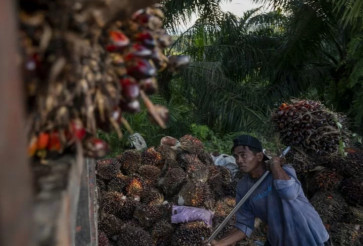
Take, for example, the international bashing of such an increasingly popular commodity as palm oil, which has now accounted for over 50 percent of global vegetable oil production of about 210 million tons in 2021. In the past, the edible oil market was dominated by soybean, canola oil, sunflower, cotton and rapeseed, and olive, which are grown mostly in the temperate zone. It is unfortunate that the noble platform of sustainability has been misused to belittle the unrivaled competitiveness of palm oil.
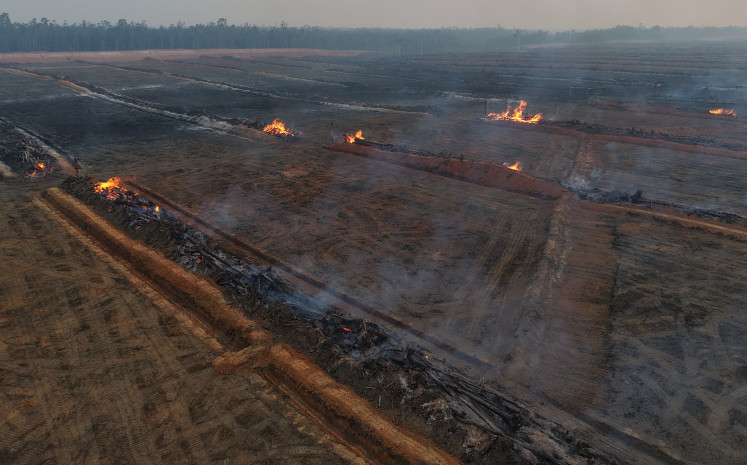
Many NGOs have consistently campaigned to bash the reputation of the industrial consumers of palm oil, especially those already with globally popular brand names, trumpeting that palm oil was produced at the expense of forests and underage laborers. Their vigorous campaign has been so massive that it succeeded in creating a market perception that companies that ban the use of palm oil as their ingredient would greatly help mitigate climate change.
The global scrutiny of palm oil started in 2004 with the establishment in Kuala Lumpur of the market-driven, multistakeholders forum of the Roundtable on Sustainable Palm Oil (RSPO) by European food businesses and NGOs to respond to alleged massive deforestation caused by the expansion of oil palm estate development. But the meeting in Kuala Lumpur never referred to any sustainability standards for other vegetable oils.
Palm oil falls victim to trade injustice in vegetable oils as it has been discriminated and vilified against deforestation allegations. The Indonesian Sustainable Palm Oil sustainability framework was set up in 2011, followed up by Malaysian Sustainable Palm Oil in 2013. But these two forums seem to lack credibility because they are controlled by governments.