TheJakartaPost
Please Update your browser
Your browser is out of date, and may not be compatible with our website. A list of the most popular web browsers can be found below.
Just click on the icons to get to the download page.


Popular Reads
No popular reads data found
Top Results
No results found. Please check your search term and try again
Can't find what you're looking for?
View all search results
Popular Reads
No popular reads data found
Top Results
No results found. Please check your search term and try again
Can't find what you're looking for?
View all search resultsCriminal-Code-amendment


Editorial 6 years ago
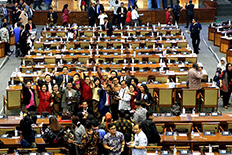
New colonial code?
A lawmaker once involved in the deliberation of the amendment of the Criminal Code proudly called the revision “a decolonization process” as the bill would replace the century-old law inherited from the Dutch colonial masters. But how is it that a bill that was said to dismantle the colonial character sparked student protests nationwide, which left five dead, in September?
Politics 6 years ago
PREMIUM
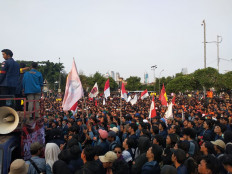
Controversial Criminal Code revision made legislative priority again
Despite massive student protests over controversial articles in a proposed amendment of the Criminal Code, the government and the House of Representatives have agreed to include the draft in the National Legislation Program (Prolegnas) for next year.

National 6 years ago
PREMIUM
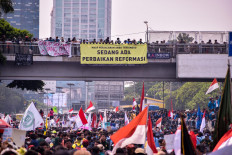
'Only parents can report cohabitation': Govt plans to soften several articles in Criminal Code bill
The government has opted to keep the majority of the controversial Criminal Code (KUHP) bill in tact, stating it will only review a small fraction of the articles, including articles on cohabitation and abortion.

National 6 years ago
PREMIUM
House to resume deliberations on problematic bills, including Criminal Code bill
As the House of Representatives set a new membership structure for its commissions and bodies on Tuesday, it is expected to immediately start deliberations on problematic bills that had been postponed, including the Criminal Code (KUHP) bill.

Politics 6 years ago
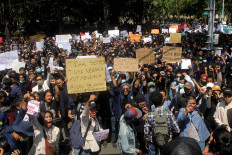
PREMIUM
Youth have strong views, not apolitical: Survey
The study, conducted by independent local pollster KedaiKOPI, revealed that today’s youth, or those aged 19 to 38 – the demographic segment that helped propel President Joko “Jokowi” Widodo to victory in April’s presidential election – are also those who staged the biggest student rallies in the Reform Era to protest government policies.