The Jakarta Post
Please Update your browser
Your browser is out of date, and may not be compatible with our website. A list of the most popular web browsers can be found below.
Just click on the icons to get to the download page.


Popular Reads
Top Results
No results found. Please check your search term and try again
Can't find what you're looking for?
View all search results
Popular Reads
Top Results
No results found. Please check your search term and try again
Can't find what you're looking for?
View all search resultsgdp-growth
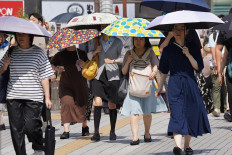
Economy 9 months ago
Japan's economy contracts for first time in six quarters on tariff hit
Japan's economy shrank almost 2 percent in the three months through September, as a drop in exports in the face of US tariffs resulted in the first contraction in six quarters, government data showed on Monday.

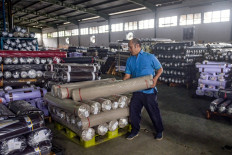


Economy 10 months ago
China's Q3 GDP growth slows to one-year low in test of long-term policy plans
China's economic growth slowed to the weakest pace in a year in the third quarter, as a property crisis and trade tensions hurt demand, leaving policymakers with the daunting challenge of rebalancing GDP drivers towards greater consumption over time.
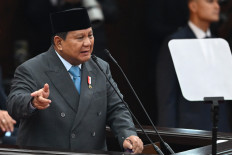
Economy 10 months ago
PREMIUM
8% growth remains pipe dream as Prabowo begins second year
The government must zero in on strengthening manufacturing, cutting logistics costs, ensuring legal certainty and preserving fiscal credibility if it wants to turn the President's 8 percent growth dream into reality, experts say, and perhaps kill the free meals program..

Economy 11 months ago
PREMIUM
Govt gunning for high GDP growth from this quarter onward
The government has promised strong gross domestic product growth for the remainder of this year and onward as it expects higher consumption, underpinned by increased private sector activity and government spending.

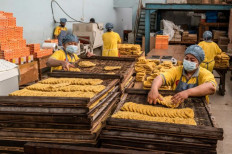
Economy 1 year ago
PREMIUM
Shifting gear to growth with stability mode
The country needs a balanced approach to growth that incorporates innovation, development and investment in targeting key value-added sectors to not just catch up with its regional peers, but to achieve its overarching goal in the Golden Indonesia 2045 vision.
Editor's Picks
Popular
- Much ado about asset forfeiture
- Mass poisonings cast doubt on free meals reforms
- Purbaya ousted after clash with Prabowo's ex-army colleague, sources say
- Indonesia, China eye cooperation to boost 3 million homes program
- Children are no longer the priority, were they ever?
- Suahasil seen to prioritize fiscal discipline, continuity
- El Niño chokes Indonesia’s coal exports as rivers run shallow
- Feeding, not poisoning
- Ferry accident revives Indonesia’s ‘Bermuda Triangle’ myth
- Sumatran elephants run out of room as fires spread


