The Jakarta Post
Please Update your browser
Your browser is out of date, and may not be compatible with our website. A list of the most popular web browsers can be found below.
Just click on the icons to get to the download page.


Popular Reads
Top Results
No results found. Please check your search term and try again
Can't find what you're looking for?
View all search results
Popular Reads
Top Results
No results found. Please check your search term and try again
Can't find what you're looking for?
View all search resultspapua-protest
Opinion 6 years ago
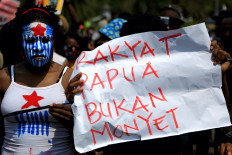
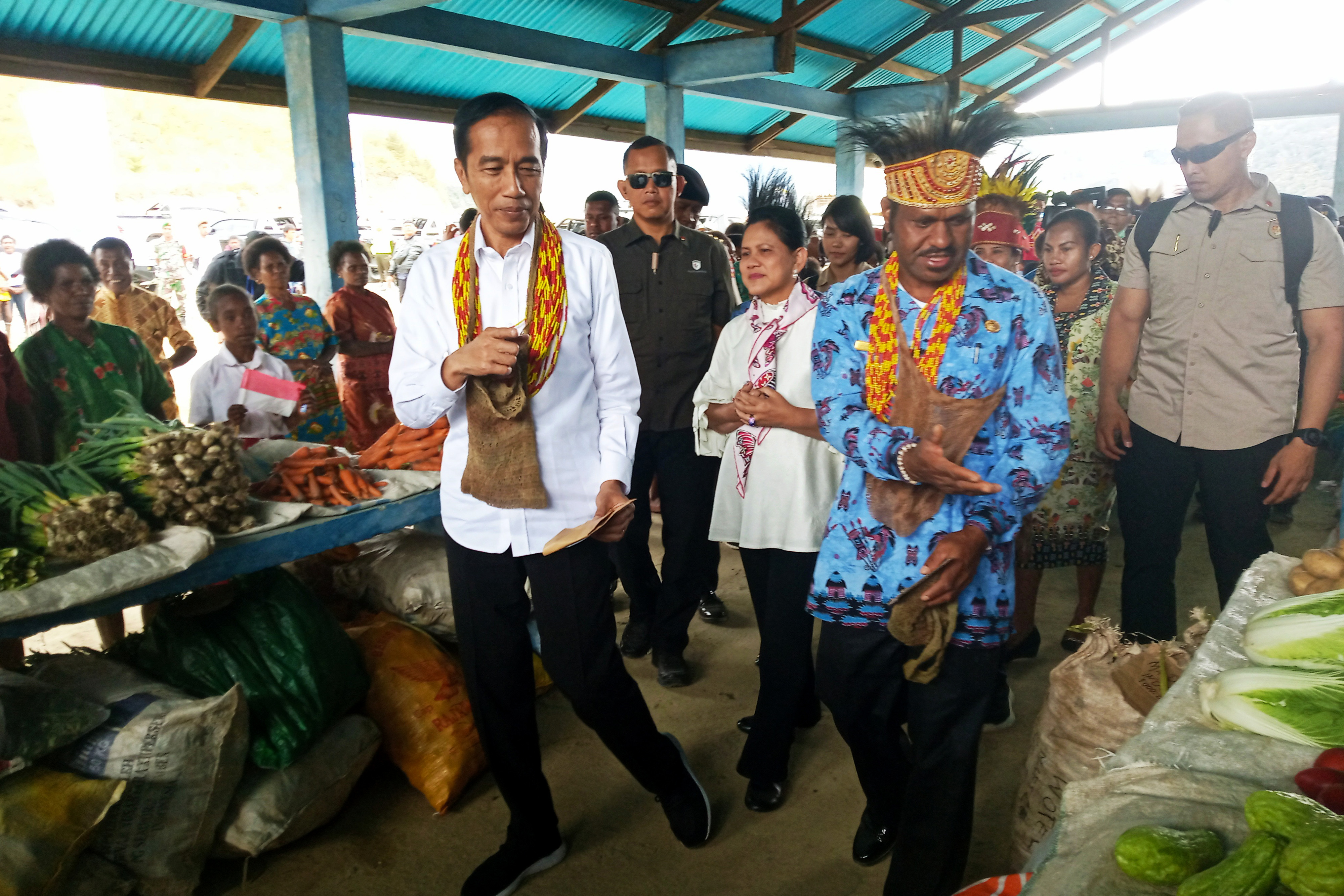
Insight: Creating new Papuan provinces without political participation will only add to conflict
A government of this day and age should not be imposing a patronizing political culture under which Papuans are not considered citizens who are aware of the political system, who are able to participate in politics.
Opinion 6 years ago
PREMIUM
Beauty standards show racism runs deep
As riots and protests against racism toward “black” university students in Surabaya raged across the country from August to September, it was difficult to ignore the fact that racism in general has had a comfortable place in Indonesian society. The issue of racism in the country is more deep-rooted than one might think.
Opinion 6 years ago
PREMIUM
Papua turmoil and its people's discontent
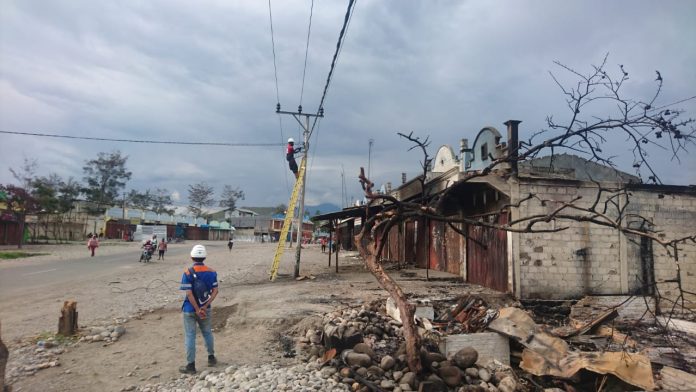
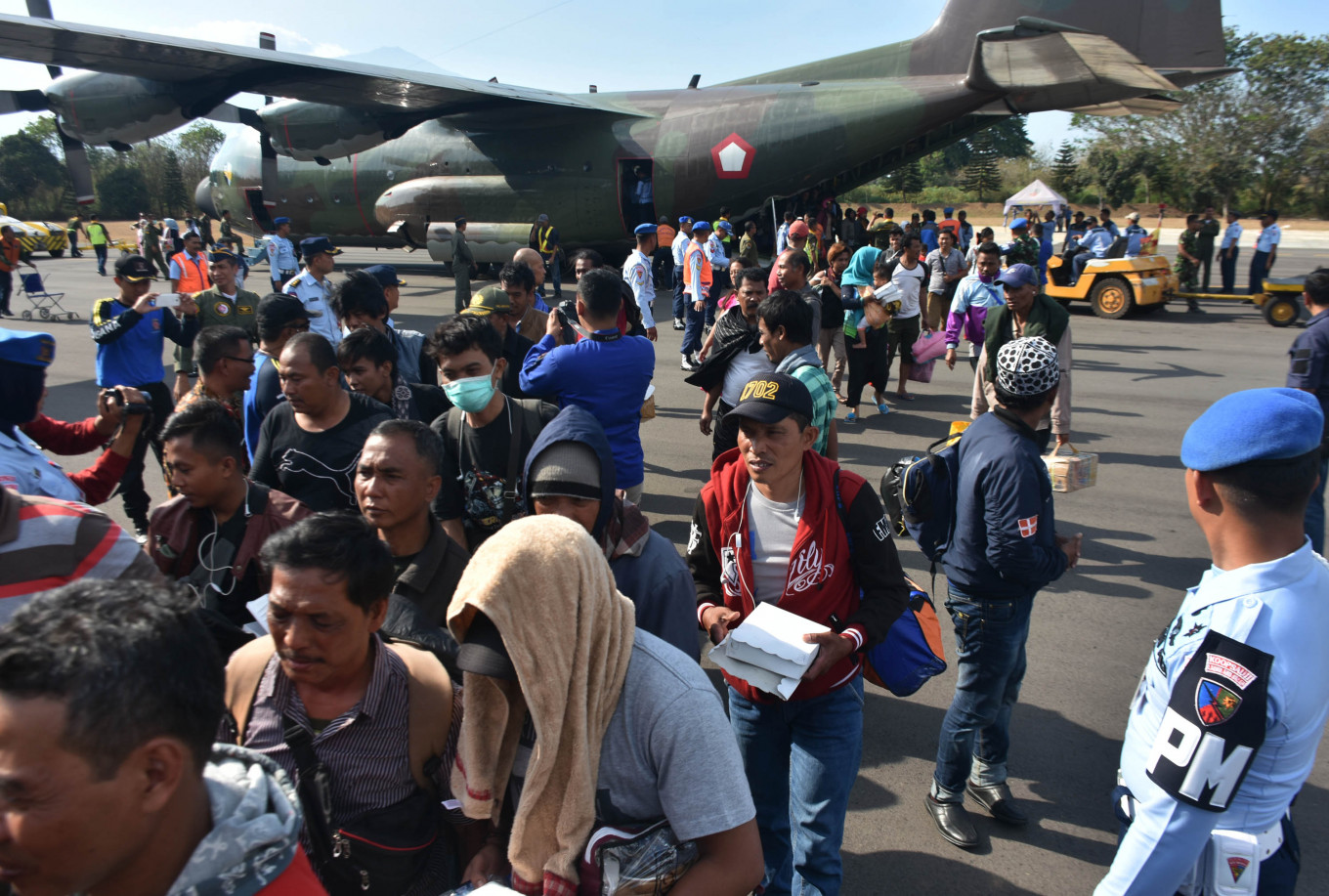
The violent unrest and demonstrations that occurred this month in several cities in Papua that have killed dozens and injured hundreds has brought to our attention the Papuans’ feelings of anger and frustration as well as the question of how economic growth in our easternmost province has benefitted Papuans.


Opinion 6 years ago
PREMIUM
Papua: Vanuatu barking up the wrong tree
As far as Vanuatu is concerned, to continue raising the Papuan issue internationally will lead it nowhere. It is just like barking up the wrong tree, for no country will support Vanuatu, as has been made crystal clear all these years. Hence, getting rid of the Papuan issue from its international agenda is highly recommended to build a more productive cooperation with Indonesia.
Opinion 6 years ago
PREMIUM
After Wamena: Habibie’s death should inspire Papua solution
Habibie was aware at the time that to retain East Timor would not only be unconstitutional, but would hurt Indonesia’s credibility in a time of economic crisis. Today, Indonesia needs statesmanship to resolve its Papua conundrum.

Opinion 6 years ago
PREMIUM
Cultural understanding: Panacea for racism, better approach for Papua
The recent racial incident should open our eyes to reflect: Have we applied the right approach in Papua? The Papua discourse is not necessarily always related to economic, political, security and human rights violations. There is a saturation point if Papua is always discussed in that perspective.
Editor's Picks
Popular
- PISA gains belie Indonesia’s persistent education crisis
- Not the Ministry of Magic
- The benefit of the doubt has expired
- Suahasil seen to prioritize fiscal discipline, continuity
- Osama the gamer: A list of Bin Laden’s video games from his hard drive
- Saudi civil defense sends all-clear after alerts issued for capital Riyadh
- Indonesian Navy welcomes former Italian warship as its first aircraft carrier
- Saudi-led coalition says Houthis fired ballistic missile at Riyadh
- Prabowo skips UNGA as RI seeks to bridge divides
- Another 150 Indonesians deported from Malaysia to Batam


