TheJakartaPost
Please Update your browser
Your browser is out of date, and may not be compatible with our website. A list of the most popular web browsers can be found below.
Just click on the icons to get to the download page.


Popular Reads
No popular reads data found
Top Results
No results found. Please check your search term and try again
Can't find what you're looking for?
View all search results
Popular Reads
No popular reads data found
Top Results
No results found. Please check your search term and try again
Can't find what you're looking for?
View all search resultsPapua-racism
Opinion 6 years ago
PREMIUM
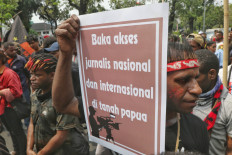
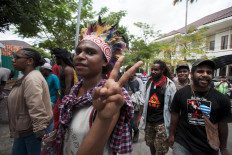
Weaving tapestry of hope for Papua
Human rights is not an easy topic of discussion, especially when the issue of past injustice continues to linger in collective memory in Papua. Yet, this is the very issue Indonesia has been trying to deal with constructively since the start of the Reform Era in the late 1990s.
National 6 years ago
PREMIUM
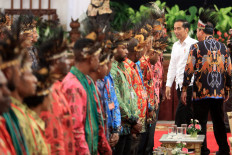
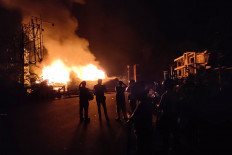
Papuan NGOs establish complaint center for victims of riots
Several NGOs affiliated with the Papuan Civil Coalition (KMSP) have officially established a complaint center for victims of violence and human rights violations following the riots that broke out across Papua after the racist abuse of Papuan students living in Surabaya, East Java.
Opinion 6 years ago
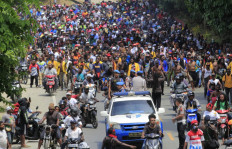
Blaming provocateurs ignores voice of Papuans
But focusing on so-called provocateurs would mean that we neglect the voice of Papuans who took to the streets in peace. Thousands of them rallied for a cause and they deserve to be heard. Believing in outside influence is also condescending, as if we believe Papuans cannot act on their own volition.
Opinion 6 years ago
PREMIUM
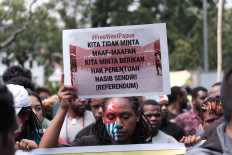
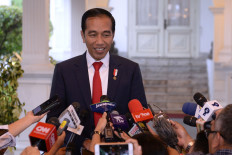
Papua requires Jokowi’s sense of urgency
Papua is in limbo. A racialist incident has triggered continued chaos in recent weeks. Main cities in Indonesia’s easternmost regions, such as Jayapura and Manokwari, have seen riots and fires. Unfortunately, responses from the government and more specifically President Joko “Jokowi” Widodo have been far from conveying a sense of urgency.
Opinion 6 years ago
PREMIUM
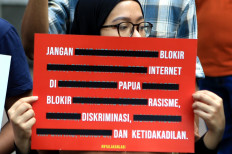
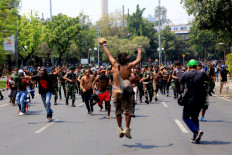
Insight: Youth at forefront of Papuan protests: Don't ignore them
The demonstrations expressed students’ disappointment on how the authorities handle racial abuse, while their political aspirations can expect to continuously meet strong resistance from the central government.