The Jakarta Post
Please Update your browser
Your browser is out of date, and may not be compatible with our website. A list of the most popular web browsers can be found below.
Just click on the icons to get to the download page.


Popular Reads
Top Results
No results found. Please check your search term and try again
Can't find what you're looking for?
View all search results
Popular Reads
Top Results
No results found. Please check your search term and try again
Can't find what you're looking for?
View all search resultsdisaster-relief
National 5 years ago
PREMIUM
Disaster education can save lives. Why are Indonesian kids not taught about it?
At least 185 natural disasters occurred in the first few weeks of 2021, with floods, landslides and whirlwinds dominating the tally. Last year, the country recorded more than 2,900 natural disasters.




Opinion 6 years ago
Disaster management cooperation for ASEAN-Korea
The ASEAN region is prone to disasters and experiences large-scale disasters every four to five years. Thus, robust disaster management has become a pressing area and is being actively discussed among all ASEAN member states. ASEAN’s endeavors and plans to build a resilient region are reflected in the legally binding ASEAN Agreement on Disaster Management and Emergency Response.

Opinion 6 years ago
PREMIUM
Public-private partnership for disaster risk management
Though Indonesia should be prepared, responsive, alert and resilient in facing any disaster, it appears that Indonesia, especially the government alone, cannot meet the constantly growing demand for services and resources needed for disaster prevention, preparedness, mitigation, response and recovery.
Opinion 6 years ago
PREMIUM
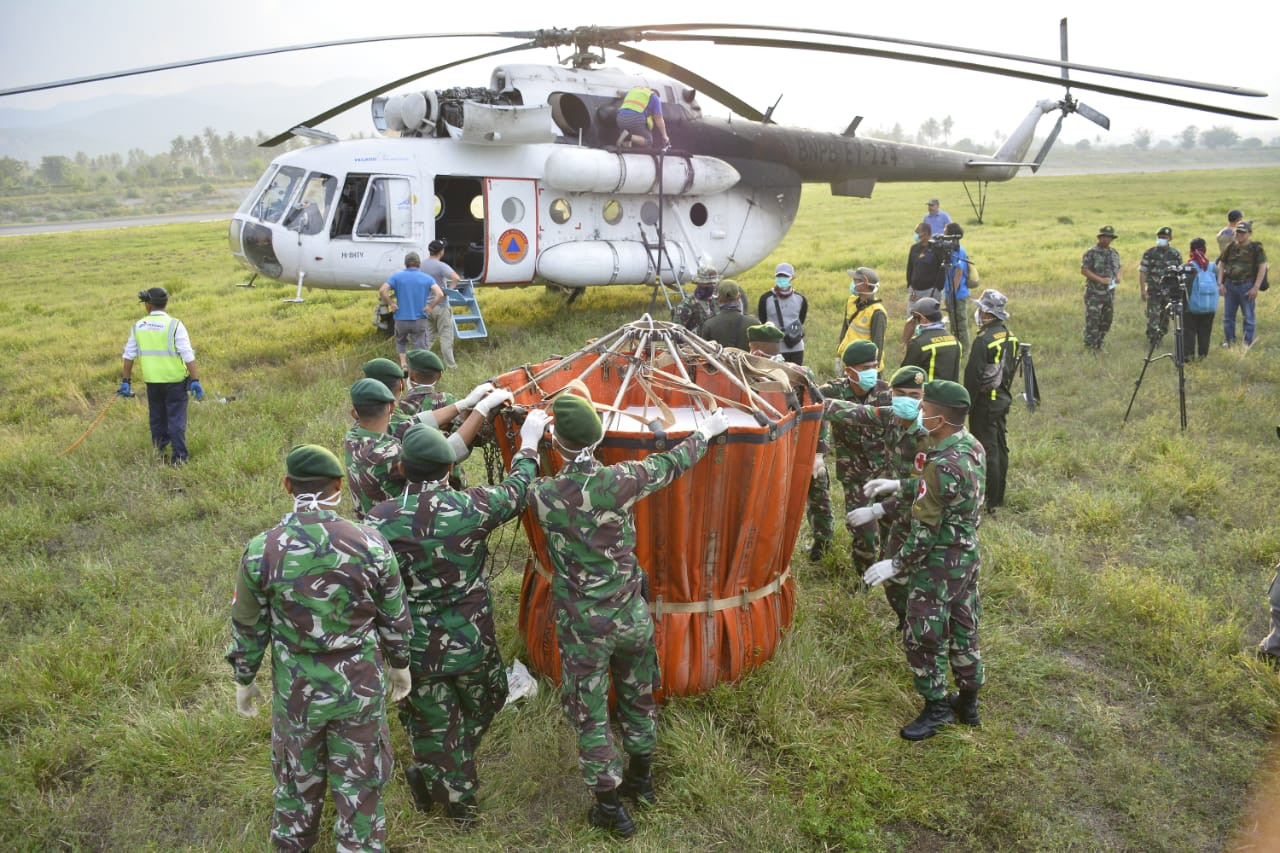
Bolstering TNI readiness, cooperation for disaster relief
Today, countries are increasingly contributing military assets to humanitarian assistance and disaster relief (HADR). While the role of the Indonesian Military (TNI) in peace support operations is not new, its engagement in disaster relief activities has grown since the mid-2000s.

Editor's Picks
Popular
- Mass poisonings cast doubt on free meals reforms
- New data rules could unlock cross-border data flows
- Malaysia must not breathe Indonesia’s governance failure
- The state's new muscle
- Jakarta airport and others reopen after volcanic ash crisis
- Anak Krakatau eruption halts flights, schools, fishing
- Soekarno-Hatta airport extends closure after Anak Krakatau eruption
- Barelang Police, Japanese diplomat hold meeting on Batam security
- Travelers scramble as Anak Krakatau ash exposes gaps in contingency plans
- Jakarta international airport extends closure after Anak Krakatau eruption


