The Jakarta Post
Please Update your browser
Your browser is out of date, and may not be compatible with our website. A list of the most popular web browsers can be found below.
Just click on the icons to get to the download page.


Popular Reads
Top Results
No results found. Please check your search term and try again
Can't find what you're looking for?
View all search results
Popular Reads
Top Results
No results found. Please check your search term and try again
Can't find what you're looking for?
View all search resultselectricity-supply

Opinion 8 years ago
Massive power projects: Is PLN up to the task?
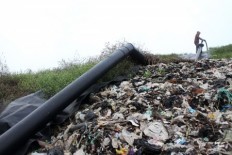
About 75 percent of Jokowi’s envisioned 35,000 MW is slated to come from independent producers rather than from PLN-operated plants. This further places PLN at the mercy of the Ministry of Energy which controls not only its revenue, but also its costs.

National 8 years ago
PLN installs undersea cables to electrify small NTB islands
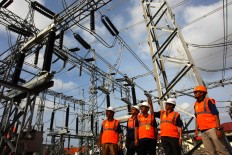
Residents of Gili Gede, a small island in Sekotong district, West Lombok regency, West Nusa Tenggara (NTB), will soon be able to enjoy electricity as state utility firm PLN is installing undersea cables to supply electricity for people in the area.

Opinion 8 years ago
Energy democracy way to go for Indonesia
For the Kamanggih village, in Kahaungu Eti of East Sumba regency, East Nusa Tenggara, residents strived to overcome access to water and electricity, and progressed thanks to their adoption of the values and practices of “energy democracy”.

Business 8 years ago
Indonesia anticipates electricity oversupply
Energy and Mineral Resources Minister Ignasius Jonan has said that the reason for regrouping the customers of state-owned electricity company PLN was in anticipation of the increased production of electricity due to the 35,000 megawatt (MW) program expected to be achieved in 2019.
Opinion 8 years ago
PREMIUM
Securing electricity supply: Climate change does matter
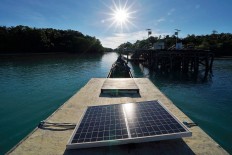
Extreme weather puts our electricity at risk, but it is not the only threat. Other climate-related risks, such as rises in sea level and temperature, as well as changes in precipitation, also threaten the stability of our power supply.
Business 9 years ago
PREMIUM
PLN caught in dilemma as demand growth slows
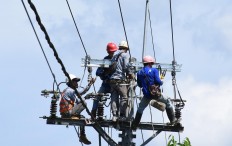
After predicting the demand for electricity would require 77.9 gigawatts (GW) of additional power capacity by 2026, state electricity firm PLN has found itself caught in a dilemma as the real demand has grown at a rate far below expectations, raising doubts about the government’s 35 GW target by 2019.

Editor's Picks
Popular
- Much ado about asset forfeiture
- Suahasil seen to prioritize fiscal discipline, continuity
- Not the Ministry of Magic
- Mass poisonings cast doubt on free meals reforms
- The benefit of the doubt has expired
- Children are no longer the priority, were they ever?
- Purbaya ousted after clash with Prabowo's ex-army colleague, sources say
- Whoosh takeover in limbo after Purbaya ousted as finance minister
- Indonesia seeks fifth UNSC term, pledges Global South voice
- Malaysia talks to rival airlines as it monitors AirAsia's financial health


