TheJakartaPost
Please Update your browser
Your browser is out of date, and may not be compatible with our website. A list of the most popular web browsers can be found below.
Just click on the icons to get to the download page.


Popular Reads
No popular reads data found
Top Results
No results found. Please check your search term and try again
Can't find what you're looking for?
View all search results
Popular Reads
No popular reads data found
Top Results
No results found. Please check your search term and try again
Can't find what you're looking for?
View all search resultselephant
Archipelago 1 week ago
PREMIUM
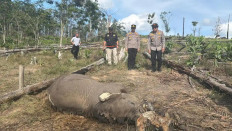
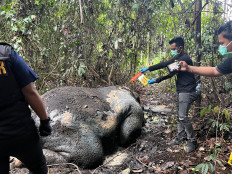
16 arrested in Riau over alleged killings of critically endangered Sumatran elephants
Johnny said eight of the suspects arrested are from Riau, while the rest come from outside the province. Each allegedly played a different role in the operation, ranging from killing the elephant and removing its head to extract its tusks to supplying illegal firearms and acting as buyers and intermediaries in the ivory trade.
Archipelago 2 weeks ago
PREMIUM
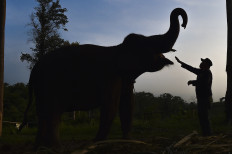
Man, elephant killed amid growing human-animal conflict in Sumatra
Aceh BKSDA said severe floods and landslides that hit Aceh, West Sumatra, and North Sumatra in November last year have significantly altered forest landscapes, disrupting natural elephant habitats and migration corridors.
Archipelago 1 month ago
PREMIUM
Riau Police probe death of critically endangered Sumatran elephant
In recent years, several incidents have been reported of Sumatran elephants dying from poison set by farmers who consider them pests, as well as fatal attacks on humans. The species also faces serious threats from poaching, with their tusks highly sought after in the illegal wildlife trade.
Academia 1 month ago
PREMIUM
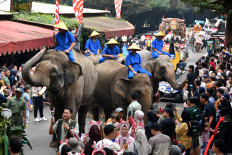
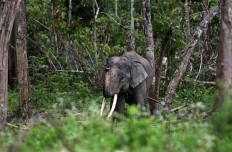
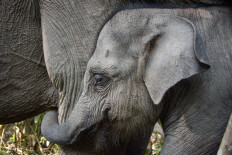
Deliberation and consensus needed in captive elephant debate
The recent ban on elephant rides highlights the critical need for consensual deliberation in managing a balance between the various dimensions of contemporary conservation, including animal, community and environmental welfare.
Archipelago 3 months ago
PREMIUM
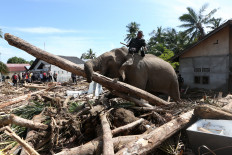
Use of elephants in post-flood cleanup in Aceh draws criticism
“Elephants are a protected species. Involving them in heavy post-disaster work puts their safety at risk. Deploying elephants also contradicts conservation principles, which place animal welfare as a priority,” Daniel Johan, a member of House of Representatives Commission IV overseeing agriculture, forestry and fisheries, said.
Archipelago 3 months ago
PREMIUM
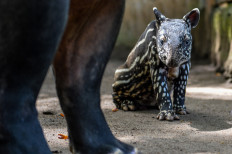
Over 700 animals at Bandung Zoo at risk of starvation amid legal dispute
Zoo spokesperson Sulhan Syafi'i said the remaining funds for animal feed will only last until Dec. 10, and so far the zoo has received no emergency assistance from either the Bandung administration or the central government.