The Jakarta Post
Please Update your browser
Your browser is out of date, and may not be compatible with our website. A list of the most popular web browsers can be found below.
Just click on the icons to get to the download page.


Popular Reads
Top Results
No results found. Please check your search term and try again
Can't find what you're looking for?
View all search results
Popular Reads
Top Results
No results found. Please check your search term and try again
Can't find what you're looking for?
View all search resultsexport-import
Markets 4 years ago
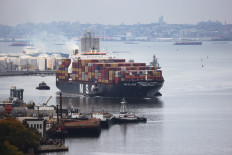
No slowdown yet: US import deluge tests supply chain
Last week, the Port of New York and New Jersey reported that its June 2022 volumes were the second-highest in history, capping a torrid semester that has overtaken the first half of the record-setting 2021 year by 11.4 percent.


Business 6 years ago
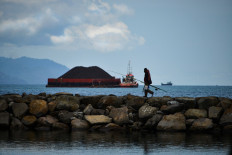
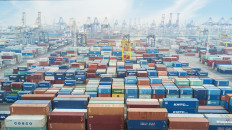
South Korea enters recession as exports plunge by most since 1963
The South Korean economy plunged into recession in the second quarter in its worst decline in more than two decades as the coronavirus pandemic battered exports and social distancing curbs paralyzed factory output.
Business 6 years ago
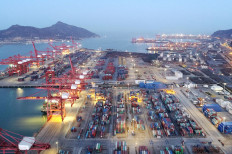
China posts first import growth since pandemic, exports also up
China's imports in June rose for the first time since the coronavirus crisis paralyzed the economy this year, as demand for commodities surged on the back of government stimulus, while exports also rose in a sign the recovery is gaining traction.


Business 6 years ago
Indonesia posts trade deficit in April as exports, imports plunge
Indonesia’s trade balance swung back to a trade deficit of US$350 million in April on the back of falling commodity prices and plummeting global demand amid the COVID-19 pandemic, Statistics Indonesia (BPS) has announced.
Opinion 6 years ago
COVID-19: An ordeal for globalization
Now, when world trade has grown so deeply interdependent, the pandemic has exploded. The result is obvious: states are becoming more protectionist and nationalistic, disrupting the global supply chain. The pandemic is testing the resilience of globalization.
Editor's Picks
Popular
- PISA gains belie Indonesia’s persistent education crisis
- Not the Ministry of Magic
- The benefit of the doubt has expired
- Suahasil seen to prioritize fiscal discipline, continuity
- Osama the gamer: A list of Bin Laden’s video games from his hard drive
- Saudi civil defense sends all-clear after alerts issued for capital Riyadh
- Indonesian Navy welcomes former Italian warship as its first aircraft carrier
- Saudi-led coalition says Houthis fired ballistic missile at Riyadh
- Prabowo skips UNGA as RI seeks to bridge divides
- Another 150 Indonesians deported from Malaysia to Batam


