Please Update your browser
Your browser is out of date, and may not be compatible with our website. A list of the most popular web browsers can be found below. Just click on the icons to get to the download page.

Can't find what you're looking for?
Or continue login with
After one year, Prabowo’s natural resource policies stand in the shadow of an ecological paradox.
Twenty-three provinces in Indonesia suffer from a rice field deficit while only 14 provinces enjoy a surplus.
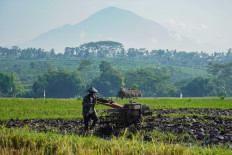
Indonesia may have fertile land and modern technology, but lacks the human capital to sustain food sovereignty as the young generation sees farming as low-status and low-return.
Rice is politically central but economically stagnant, consuming vast fiscal resources while failing to deliver prosperity for farmers or affordable food for consumers.
For years, a network of traders, importers, corrupt officials and political brokers have manipulated the supply and price of staple foods like rice, sugar, garlic, beef and cooking oil.
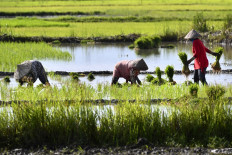
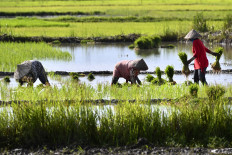
Nearly half of Indonesia’s poor are farmers or those who work in agriculture, animal husbandry and fisheries.
If Indonesia’s food governance is too bureaucratic for the elites, what hope is there for small-scale farmers and communities?
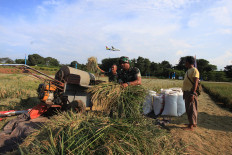
For many of our farmers, agriculture still does not provide a dignified or dependable livelihood.
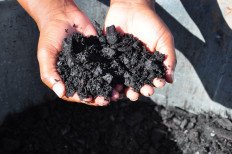
The initiative aims to monetize around 100 million tonnes agricultural waste a year, which come from the palm oil and sugar industries, among others.
Food systems transformation is not just about agriculture, it is about climate, health and economic opportunity.