The Jakarta Post
Please Update your browser
Your browser is out of date, and may not be compatible with our website. A list of the most popular web browsers can be found below.
Just click on the icons to get to the download page.


Popular Reads
Top Results
No results found. Please check your search term and try again
Can't find what you're looking for?
View all search results
Popular Reads
Top Results
No results found. Please check your search term and try again
Can't find what you're looking for?
View all search resultshuman-development

Lifestyle 6 years ago
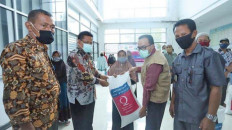
Do people become more selfless as they age?
Looking for something to binge-watch while you’re hunkering down at home? Consider checking out the popular TV show “The Good Place.” Over four recently concluded seasons, the series follows the adventures and mishaps of four utterly self-centered characters on their quest to become decent and selfless human beings

Opinion 6 years ago
PREMIUM
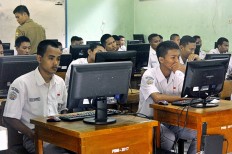
Literary culture as basis of human resources development
The progress of a country depends on the development of a culture of literacy. The success of the environmental-based economic development of Scandinavian countries, which goes hand in hand with the development of a strong literacy culture is a concrete example.


Opinion 6 years ago
PREMIUM
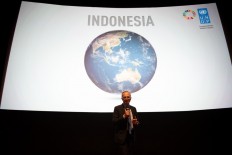
Tackling 21st century inequality: Challenges and potential solutions
These statistics speak to just one of many pervasive and pernicious inequalities that exist in the world and are driving frustration and resentment. But with the scale and scope of the challenges mapped out, how do we respond?

Opinion 6 years ago
PREMIUM
Can technology shape students’ character?
There is no question that technology shapes students’ competency — computer-assisted coding to teach basic to advanced logic, for example. But the pressing question is: can technology help shape students’ character? Can teaching virtues such as self-control, honesty, respect and fairness — which contribute to good character — be technically and effectively delivered via technology?
Opinion 6 years ago
PREMIUM
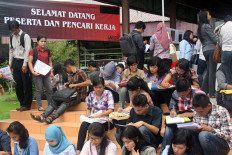
Investing in people needs fresh collaboration
The IMD World Digital Competitiveness Ranking 2018 study shows the disconsolate picture that most countries in Southeast Asia have witnessed a relative drop in the ranking of overall and digital competitiveness. Worse, dropping three ranks to 62nd in the overall digital ranking, Indonesia is the lowest ranking country in the region.
Editor's Picks
Popular
- Malaysia must not breathe Indonesia’s governance failure
- Mass poisonings cast doubt on free meals reforms
- New data rules could unlock cross-border data flows
- Volcanic eruptions take toll on economy
- Search intensifies for journalists, crew as Anak Krakatau ashfall eases
- Mitigation budget under scrutiny as Indonesia grapples with disasters
- Indonesian wildfire emissions surge to world's highest
- Student suffers memory loss, seizures after free meal food poisoning
- Anak Krakatau doesn't need an earthquake to kill
- Search resumes for missing journalists on Anak Krakatau mission


