The Jakarta Post
Please Update your browser
Your browser is out of date, and may not be compatible with our website. A list of the most popular web browsers can be found below.
Just click on the icons to get to the download page.


Popular Reads
Top Results
No results found. Please check your search term and try again
Can't find what you're looking for?
View all search results
Popular Reads
Top Results
No results found. Please check your search term and try again
Can't find what you're looking for?
View all search resultslegislative-body
Politics 6 years ago
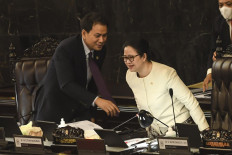
House panned for working on non-emergency legislation amid COVID-19 outbreak
While the House of Representatives has claimed it focused on regulations related to the COVID-19 outbreak in the recently concluded legislative session, activists have criticized lawmakers for passing contentious bills instead of prioritizing disaster management.
Politics 6 years ago
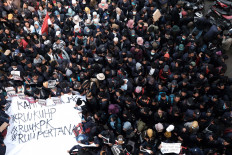
House to resume deliberating KUHP bill amid pandemic
The legislature has cited the government's early release policy, issued as part of the measures to combat the COVID-19 outbreak in Indonesia, as its reason for attempting to push through the two contentious bills during the public health emergency.

City 6 years ago
PREMIUM
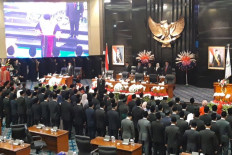
City Council attempts to improve subpar legislative record
The Jakarta administration and the City Council have begun the deliberation of the city's 2020 legislation program in the hope of improving on a substandard performance of the previous legislative term with numerous unfinished bylaws.
National 6 years ago
PREMIUM
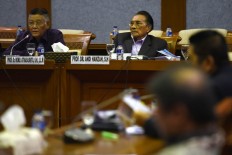
House, govt work to synchronize 70 problematic laws through omnibus bill
Lawmakers agreed to work closely with the government by also making a list of overlapping laws that needed to be scrapped, for addition to the current list. At the same time, it urged the government to immediately submit the final list, the draft bills and the academic assessment.
Opinion 6 years ago
PREMIUM
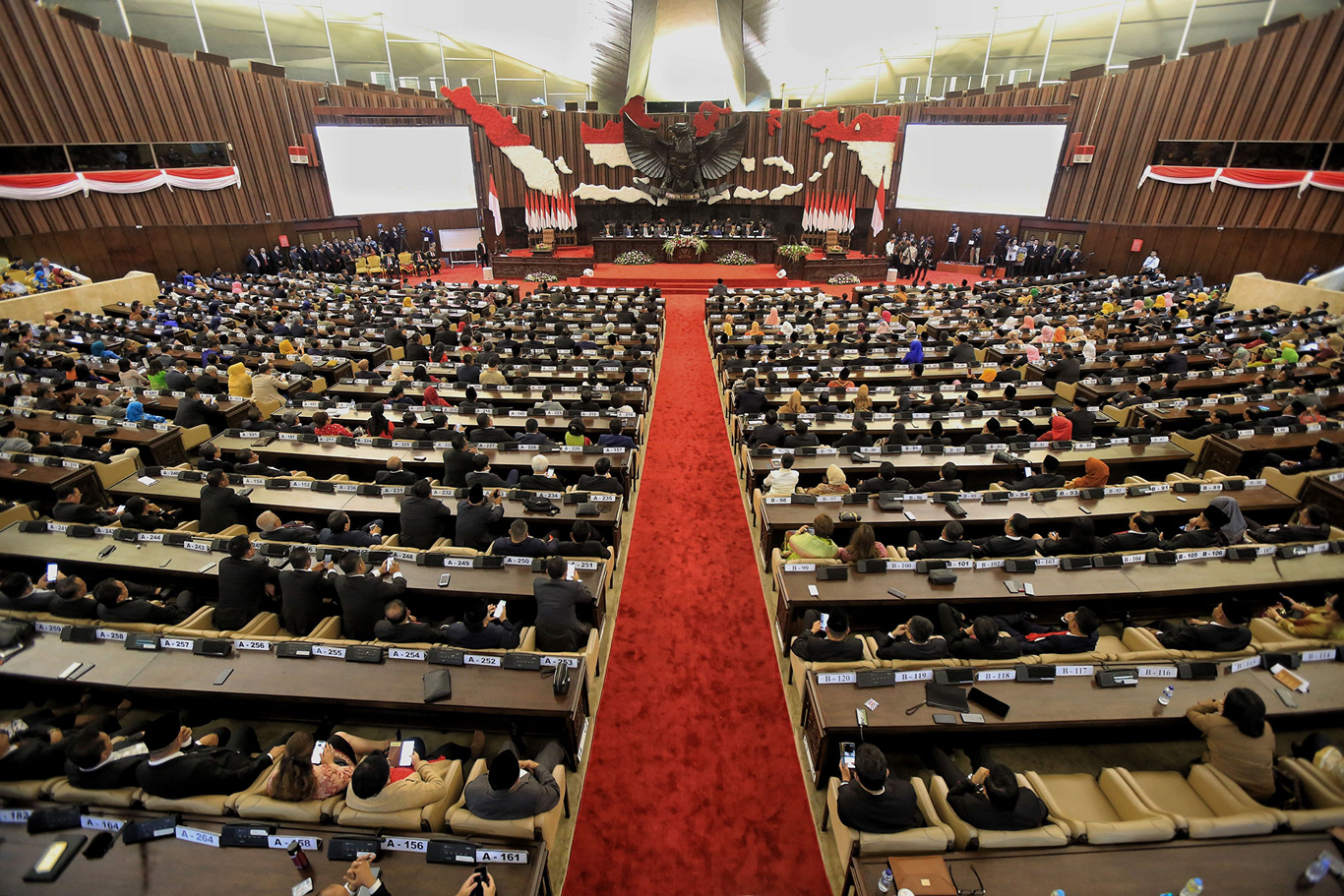
Nudging legislative constraints in constitutional amendment
The public was shocked when a number of controversial bills were about to be passed, though delayed. But what was not realized all around was the fact that all the bills had been approved in their entirety by virtually all political parties, without any meaningful debate or contention among themselves.
Politics 6 years ago
PREMIUM
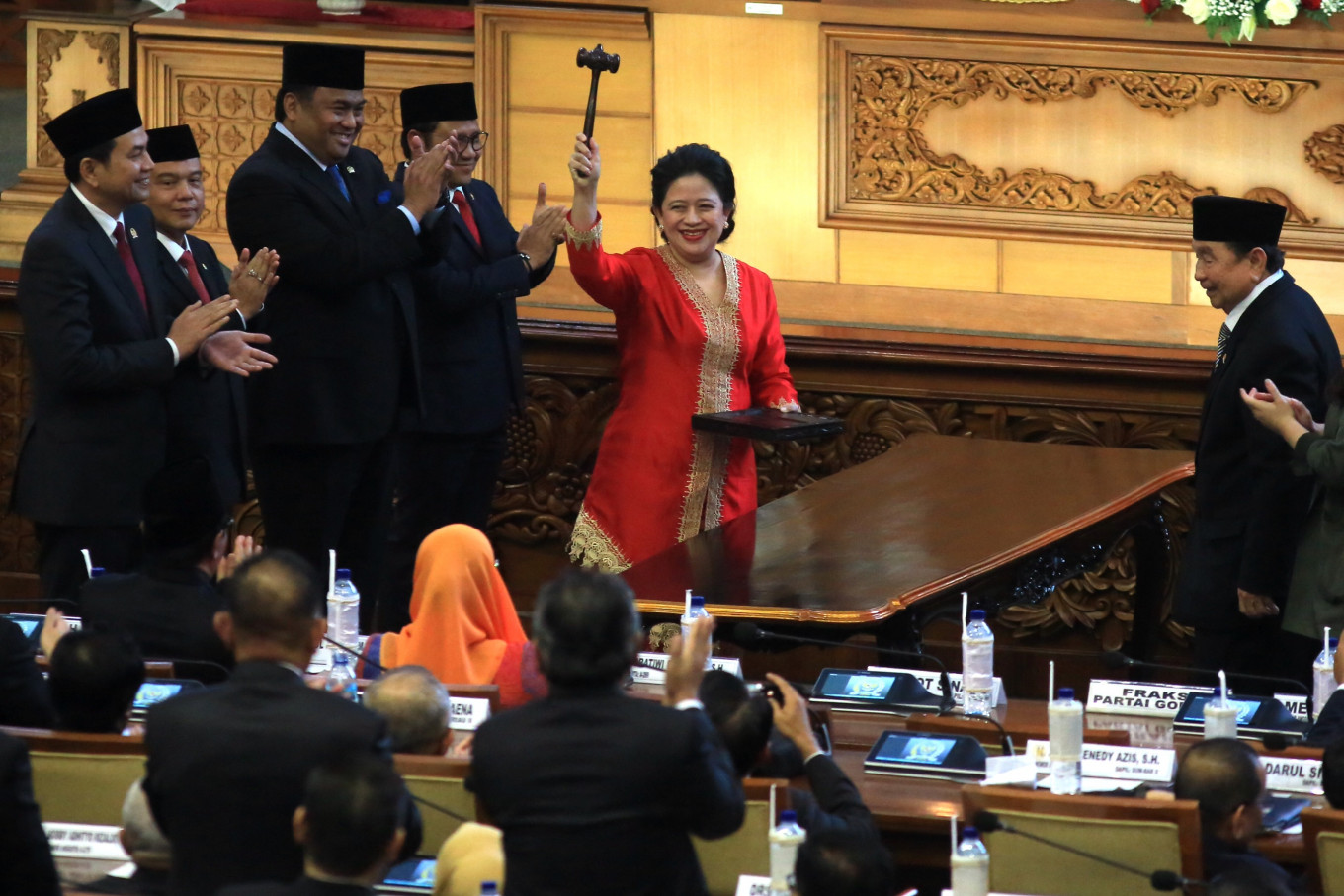
New House shows little sign of improvement, analysts say
Formappi noticed that elections had yet to show any sign of reward or punishment for lawmakers. Researcher Lucius Karus pointed out that the House’s poor performance in the previous term did not deter voters from reelecting the same politicians in this year’s election.
Politics 6 years ago
PREMIUM
New House members to be sworn in amid mounting distrust
Over the past week, the largest student demonstrations in over two decades have largely focused their ire at the House, criticizing a number of controversial bills and urging lawmakers to pass bills deemed important, such as the antisexual violence bill and the domestic workers bill.

Editor's Picks
Popular
- Much ado about asset forfeiture
- Mass poisonings cast doubt on free meals reforms
- Prabowo sacks Purbaya, turns to familiar hand at Finance Ministry
- Indonesia, China eye cooperation to boost 3 million homes program
- The benefit of the doubt has expired
- Children are no longer the priority, were they ever?
- Australian woman dies after falling from cliff at Bali’s Kelingking Beach
- Wildfire breaks out again at Mount Bromo
- Ferry disaster renews scrutiny of vessel safety checks
- PISA gains belie Indonesia’s persistent education crisis


