The Jakarta Post
Please Update your browser
Your browser is out of date, and may not be compatible with our website. A list of the most popular web browsers can be found below.
Just click on the icons to get to the download page.


Popular Reads
Top Results
No results found. Please check your search term and try again
Can't find what you're looking for?
View all search results
Popular Reads
Top Results
No results found. Please check your search term and try again
Can't find what you're looking for?
View all search resultsoil-field
Opinion 6 years ago
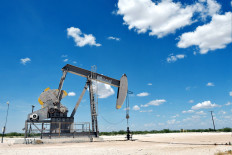
Asia calm despite looming risks to Mideast oil supply
The new decade started on a turbulent note for the oil markets with the United States and Iran coming closest than they ever have to a direct conflict following the US killing of Iranian military commander Qassem Soleimani in a drone strike in Baghdad on Jan. 3.
Opinion 6 years ago
Bearish demand outlook offsets geopolitical risks
Economic uncertainty and a bearish oil demand outlook continue to offset heightened geopolitical risks and keep a lid on oil prices. S&P Global Platts Analytics, however, believes that prices are far from where fundamentals suggest, weighed down by bearish sentiment around the health of the global economy.
Opinion 7 years ago
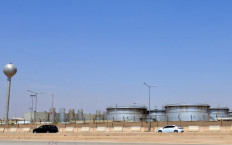
Saudi attacks bring geopolitical risks to the forefront
Recent attacks on key oil infrastructure in Saudi Arabia sent prices sharply higher, and while the risk to near term supply disruption may be low, the event squarely brings to the forefront the vulnerability of Middle East supply.
Opinion 7 years ago
PREMIUM
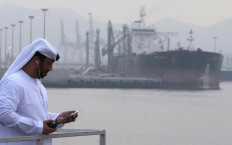
Saudi oil production disruption could cost RI $3.1 billion
A disruption cutting global oil supply by more than 5 percent is not just a worst-case scenario after Saudi Arabia announced that 50 percent of its oil production capacity had gone offline after a series of drone attacks last weekend. While we are praying that a confrontation can be avoided, the disruption would be costly for Indonesia.
Opinion 7 years ago
OPEC, truce may give oil the lift it needs
Oil markets are primed for a rally in the second half of this year after an easing of international trade tensions and extended production cuts by the Organization of the Petroleum Exporting Countries (OPEC) brightened the outlook for balances.
Editor's Picks
Popular
- Whisky, big-screen TV seized from prison 'villas' in West Java
- Indonesia pushes cooperation to outpace global scam networks
- Jakarta international airport extends closure after Anak Krakatau eruption
- Militarization by request: The quiet creep in Jakarta
- BREAKING: Prabowo reshuffles cabinet, replaces police chief
- Sugarcane farmers query House over sugar imports
- The vanishing of Indonesia from the heart of Papua
- BREAKING: Arrmanatha takes over as foreign minister in latest reshuffle
- Water concerns triggers suspension of West Java data center project
- The agrarian reform law and investment prospects of palm oil


