TheJakartaPost
Please Update your browser
Your browser is out of date, and may not be compatible with our website. A list of the most popular web browsers can be found below.
Just click on the icons to get to the download page.


Popular Reads
No popular reads data found
Top Results
No results found. Please check your search term and try again
Can't find what you're looking for?
View all search results
Popular Reads
No popular reads data found
Top Results
No results found. Please check your search term and try again
Can't find what you're looking for?
View all search resultsovertourism

Archipelago 1 year ago
PREMIUM
Bali to clamp down on illegal foreign-owned businesses
Overtourism and overdevelopment have become serious issues in Bali as tourism returns to the island following the COVID-19 pandemic. Reports of rowdy tourists violating local customs and unlicensed businesses competing unfairly with locals have become increasingly common in recent years.
Archipelago 1 year ago
PREMIUM
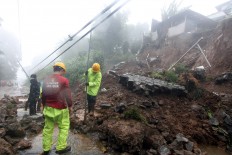
West Java cracks down on overdevelopment in Puncak following massive floods
West Java Governor Dedi Mulyadi said that tea had been cultivated in the Puncak area since the Dutch colonial era, not only for economic purposes but also as part of broader environmental conservation efforts. He emphasized that environmental sustainability must take precedence over short-term economic interests.
Academia 1 year ago
PREMIUM
Bali, the willing cash cow of national interest
The large inflow of tourists in Bali would likely not be accompanied by long-term planning, potentially resulting in mass takeovers of sacred lands, pristine beaches and enticing river banks to build hotels, villas, restaurants and other tourist infrastructures.


Archipelago 1 year ago
PREMIUM
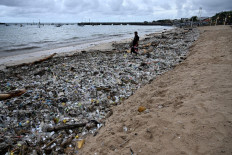
Responders evacuate tourists from flood-hit hotels, villas in Bali
Authorities broke out inflatable rubber boats to help visitors either evacuate or leave their hotels in flood-hit areas in the island province, which has seen frequent flooding in recent years, partly due to overdevelopment.

Economy 1 year ago
PREMIUM
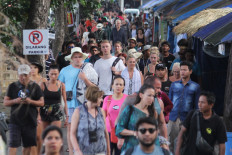
Overtourism or balanced development? Bali airport plan sparks debate
Long Indonesia’s premier tourist destination, Bali keeps getting all the attention, and ongoing government initiatives, rather than spread out development across the country, further cement the island’s dominance, to the extent that many now worry about overtourism.

Business 6 years ago
PREMIUM
Crimes committed by tourists in Bali raises questions over visa exemption expansion
Around 6.07 million tourists arrived in Bali in 2018, triple the 2.08 million tourists in 2008 and six times more than the 1.1 million tourists in 1998, Statistics Indonesia (BPS) data show.