The Jakarta Post
Please Update your browser
Your browser is out of date, and may not be compatible with our website. A list of the most popular web browsers can be found below.
Just click on the icons to get to the download page.


Popular Reads
Top Results
No results found. Please check your search term and try again
Can't find what you're looking for?
View all search results
Popular Reads
Top Results
No results found. Please check your search term and try again
Can't find what you're looking for?
View all search resultsplastic-waste
Archipelago 1 year ago
PREMIUM
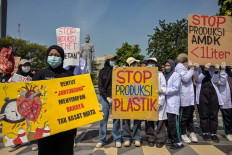
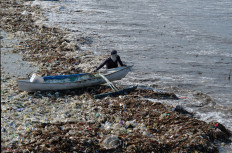
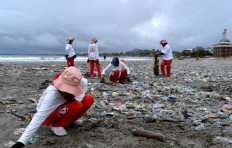
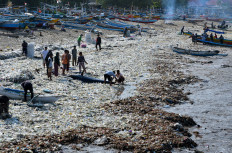
Bali villages to get grants of up to Rp 1 billion to effectively manage waste
Bali has been grappling with a growing waste crisis in recent years, with unmanaged garbage frequently contributing to environmental problems such as flooding, including in popular tourist areas.
Archipelago 1 year ago
PREMIUM
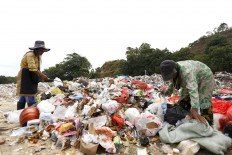
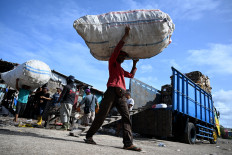
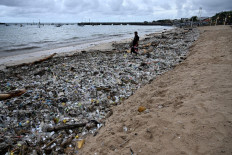
Bali to ban production of bottled water under 1 liter
A 2019 study revealed that Bali generates 1.6 million tonnes of trash per year with around 303,000 tonnes of plastic waste. However, only some 48 percent of Bali’s waste is responsibly managed either through recycling or landfill.

Academia 1 year ago
PREMIUM
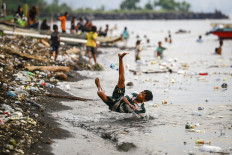
Bali, the willing cash cow of national interest
The large inflow of tourists in Bali would likely not be accompanied by long-term planning, potentially resulting in mass takeovers of sacred lands, pristine beaches and enticing river banks to build hotels, villas, restaurants and other tourist infrastructures.
Environment 1 year ago
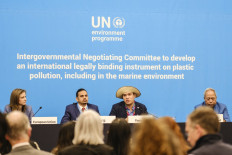
Nations warn of deadlock at landmark plastic pollution talks
Efforts to reach the landmark agreement on the world's first treaty to curb plastic pollution are locked over several key sticking points, particularly reducing production and phasing out chemicals believed or known to harm human health.
Editor's Picks
Popular
- Batam residents protest data centers amid water crisis
- Recentralization concerns in fiscal, education heighten
- Popular discontent is justified. Authoritarianism is not the answer
- Safeguarding Indonesia's AI future
- Govt under pressure as 3 million home drive hits cracks
- Prabowo’s universal free education plan raises feasibility questions
- Rocking the boat in a storm
- Free meals marketplace raises supply chain concerns
- The Jakarta Post: Indonesia & World Breaking News
- The Jakarta Post: Indonesia & World Breaking News


