The Jakarta Post
Please Update your browser
Your browser is out of date, and may not be compatible with our website. A list of the most popular web browsers can be found below.
Just click on the icons to get to the download page.


Popular Reads
Top Results
No results found. Please check your search term and try again
Can't find what you're looking for?
View all search results
Popular Reads
Top Results
No results found. Please check your search term and try again
Can't find what you're looking for?
View all search resultsproperty-sector


Opinion 5 years ago
PREMIUM
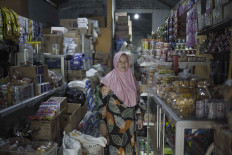
PBB relief: A lifeline for retail, hotel and restaurant workers
Commercial properties such as hotels, exhibition halls and malls are battered. These are businesses with high fixed costs, made worse by the COVID-19 protocols. Even without visitors and activities, these properties still have to perform basic services and maintenance.



Business 6 years ago
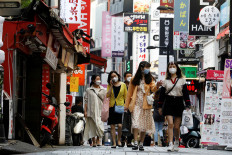
No more Gangnam style for some as top officials sell apartments amid property furor
As Seoul property prices soar, there's a new apartment on sale this month: for the best part of an estimated $1 million, you could buy a piece of future Gangnam glitz from reluctant seller Noh Young-min - the chief of staff of President Moon Jae-in.
Business 6 years ago
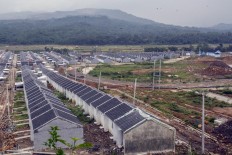
Residential property sales, prices rise cool as pandemic hits economy
A recent survey by Bank Indonesia (BI) revealed that the combined sales of small, medium and large houses fell by 43.19 percent year-on-year (yoy) in the first three months of the year, largely because of the unfolding COVID-19 pandemic.

Business 6 years ago
PREMIUM
Property developers express concern over ‘thinning’ housing loan subsidy
Property developers are lobbying the government and House of Representatives over what they call “thinning” funds allocated to the government’s subsidized housing program, which has become a key growth driver in the sector.
Editor's Picks
Popular
- Popular discontent is justified. Authoritarianism is not the answer
- Sugarcane farmers query House over sugar imports
- Recentralization concerns in fiscal, education heighten
- Govt under pressure as 3 million home drive hits cracks
- Safeguarding Indonesia's AI future
- Power exports to Singapore hinge on regulatory clarity
- Thousands huddle in Bangkok shelters as Thai flood damages seen at $320m
- Stocks plunge as IDX lowers minimum price cap
- Prabowo turns to experts to tackle peatland fires after swipe at researchers
- Palestine test for UN ‘resilience’, says Indonesia


