The Jakarta Post
Please Update your browser
Your browser is out of date, and may not be compatible with our website. A list of the most popular web browsers can be found below.
Just click on the icons to get to the download page.


Popular Reads
Top Results
No results found. Please check your search term and try again
Can't find what you're looking for?
View all search results
Popular Reads
Top Results
No results found. Please check your search term and try again
Can't find what you're looking for?
View all search resultssolar-energy

Society 2 years ago
Elon Musk desalination plan is a joke: Jatam
Head of Jatam's legal division Muhammad Jamil said that the construction of more solar power plants that would provide energy for desalination plants, as proposed by Musk, would require materials that come from new mining operations, mostly opened in the world's virgin forests.

Archipelago 2 years ago
Jokowi inaugurates Southeast Asia's largest floating solar farm
The Cirata floating solar farm, which is expected to generate enough electricity to power 50,000 households, is built on a 200-hectare (500-acre) reservoir in West Java, about 130 kilometres (80 miles) from the capital, Jakarta.

Asia & Pacific 4 years ago
PREMIUM
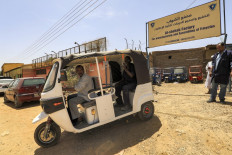
Southeast Asian nations tout green power links ahead of COP26
Some members of the Association of Southeast Asian Nations (ASEAN) are also exploring carbon capture storage (CCS) technology to reduce emissions, officials said at this week's Singapore International Energy Week conference. ASEAN has proposed that 23 percent of primary energy come from renewable sources by 2025.
Opinion 4 years ago
PREMIUM
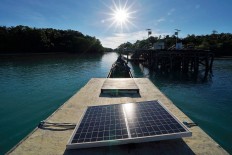
Maximizing ASEAN’s renewable energy sources to drive decarbonization, energy resilience
The main barriers to the maximization of renewable energy sources in ASEAN are institutional policy uncertainty on renewable projects, limited access to funding and a lack of appropriate technologies and expertise.
Business 5 years ago
PREMIUM
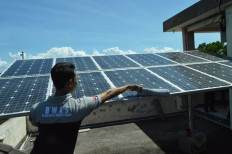
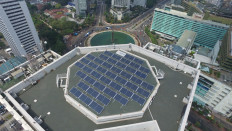
Could rooftop solar unlock new opportunities in Indonesia’s power ecosystem?
Despite its many challenges, 2020 marked a record-breaking year for renewable energy. Solar photovoltaics (PV) will be at the forefront of this continued opportunity in 2021-2022, with renewable energy expected to account for 90 percent of new capacity expansion globally.

Editor's Picks
Popular
- Prabowo’s reshuffle bring ties with Jokowi back into focus
- New islands appear after Anak Krakatau volcano erupts
- New police chief orders major shake-up
- The agrarian reform law and investment prospects of palm oil
- Philippines arrests 244 foreign workers in online scam crackdown
- Bringing the military back in
- Public health measures urged amid El Niño's extreme heat
- Reshuffle shores up coalition support for 2029
- Danantara to invest in ethanol infrastructure over next three years
- A ministry restored


