The Jakarta Post
Please Update your browser
Your browser is out of date, and may not be compatible with our website. A list of the most popular web browsers can be found below.
Just click on the icons to get to the download page.


Popular Reads
Top Results
No results found. Please check your search term and try again
Can't find what you're looking for?
View all search results
Popular Reads
Top Results
No results found. Please check your search term and try again
Can't find what you're looking for?
View all search resultsterrorist-group
Opinion 6 years ago
PREMIUM
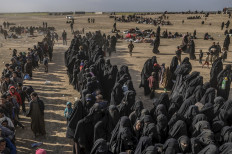
IS repatriation: Threats to Indonesian security, politics
The repatriation of ex-Islamic State (IS) group members is a challenge several countries are facing. Programs led by governments and NGOs do not show evidence of their effectiveness to lower the threats of extremism.

Opinion 6 years ago
PREMIUM
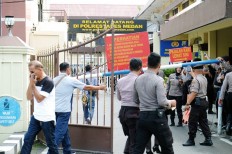
Possible IS base in southern Philippines: New flashpoint?
Although the Islamic State (IS) group based in Marawi City, southern Philippines, was able to be destroyed by the Philippine military, the southern Philippines is providing a new center of conflict that could become a stepping stone for IS jihadists and militia groups to consolidate and continue to spread their ideology and develop the group’s global influence, as noted by researchers Zachary Abuza and Colin P. Clarke.

Editorial 6 years ago
Detect, deter extremists
The suicide bombing at the Medan Police headquarters in North Sumatra on Wednesday is the latest reminder of the nation’s vulnerability to violent extremism. Acts of terrorism pose a serious threat not only to national security but also to our hard-won democracy.
Opinion 6 years ago
PREMIUM
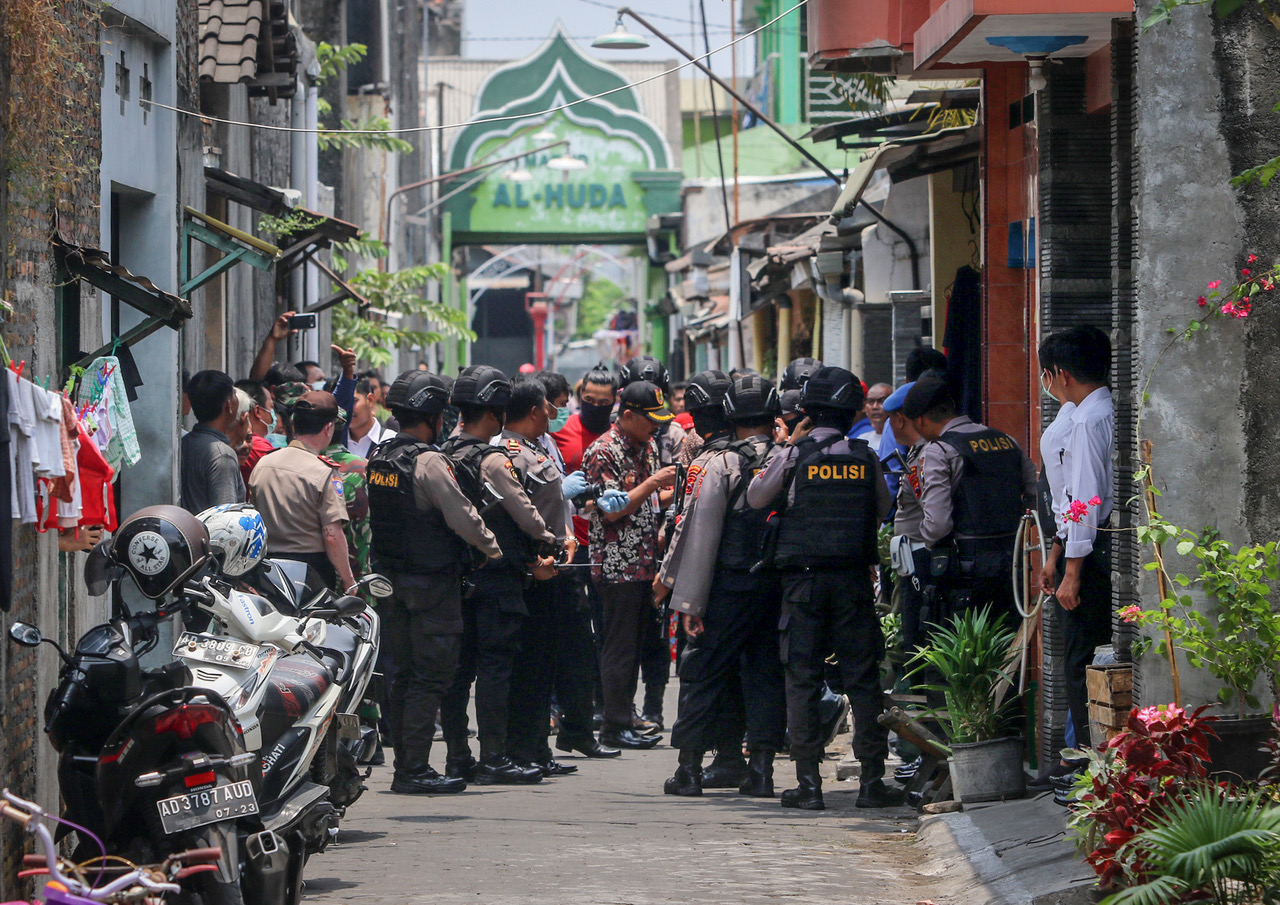
Terrorist attack on Wiranto: Danger of family terrorism
Such extremist clerics are intellectual actors who are often difficult to be snared by the current Indonesian penal system, as it is hard to prove who are the masterminds of violence and murder under the current Terrorism Law.
Opinion 7 years ago
PREMIUM
Tempering fear of returning foreign terrorist fighters
Indonesia has an imminent returning foreign terrorist fighter (FTF) challenge. The latest data from Indonesia’s Countering Foreign Terrorist Fighters Task Force showed that the state has received more than 600 deportees and returnees, while still needing to deal with around 630 Indonesian citizens still in Syria and Iraq.




Editor's Picks
Popular
- Prabowo’s reshuffle bring ties with Jokowi back into focus
- Public health measures urged amid El Niño's extreme heat
- New police chief orders major shake-up
- Bringing the military back in
- Mercenary recruitment becomes new threat for Riau Islands migrant workers
- Australia probes flydubai co-pilot's links to the country, police say
- The agrarian reform law and investment prospects of palm oil
- Women turn forest foods into new livelihoods
- Saudi Arabia unexpectedly cuts oil prices to Asia
- Employers, workers struggle to find common ground as employment bill nears passage


