The Jakarta Post
Please Update your browser
Your browser is out of date, and may not be compatible with our website. A list of the most popular web browsers can be found below.
Just click on the icons to get to the download page.


Popular Reads
Top Results
No results found. Please check your search term and try again
Can't find what you're looking for?
View all search results
Popular Reads
Top Results
No results found. Please check your search term and try again
Can't find what you're looking for?
View all search resultsurban-development
Opinion 6 years ago
PREMIUM
Indonesia’s smart cities: Investing for the long haul
Delivering public service is indeed one part of smart city development, yet there is a broader part of development that needs more focus, especially from the government. Smart city is essentially the revelation of smarter decision-making based on abundant data by leveraging technology. So, technology is the tool and not the end goal.
City 6 years ago
PREMIUM
Timber!: Jakarta sacrifices trees for urban development
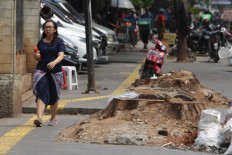
In 2014, hundreds of trees in North Jakarta were cut down to make space for the Tanjung Priok-Pluit toll road, while in 2017, around 1,500 trees along the Sisingamangaraja, Sudirman and Thamrin roads also had to be chopped down to make way for the mega MRT Jakarta project.

Opinion 6 years ago
Too dense: An excuse for Jakarta's inaction!
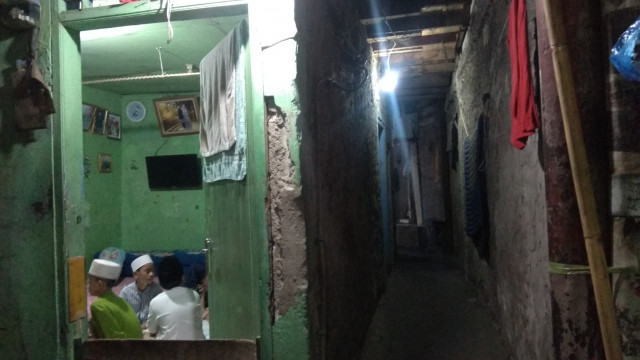
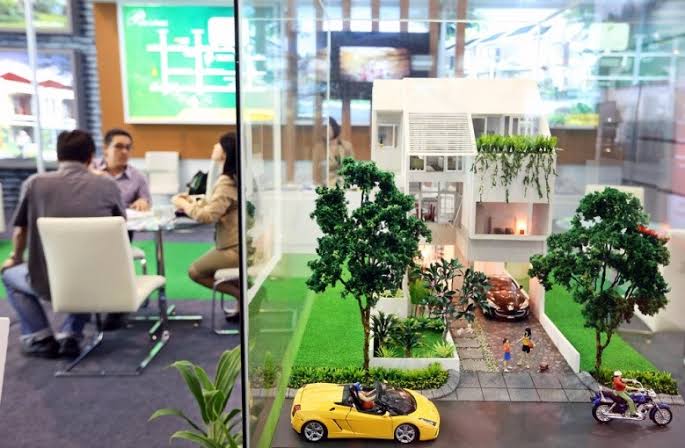
Ironically, an estimated 60 percent of Jakarta's civil servants are unable to afford to live in the city they serve. They cannot even vote for the governor for which they work. They are pushed, as with countless others, by market forces to live on the fringes: Bogor, Depok and Bekasi in West Java and Tangerang in Banten. This results in a disastrous urban sprawl that gobbles up otherwise productive agricultural land and energy-draining commutes.
Opinion 6 years ago
PREMIUM
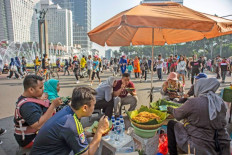
Pedestrians, vendors: Unite for more, wider sidewalks!
When I reflect on how to make a good city, the contestation between street vendors and pedestrians is puzzling. Instead of fighting, they should be forming a coalition, because pedestrians and street vendors have a common goal.
Editor's Picks
Popular
- Much ado about asset forfeiture
- Mass poisonings cast doubt on free meals reforms
- The benefit of the doubt has expired
- New data rules could unlock cross-border data flows
- Children are no longer the priority, were they ever?
- Prabowo replaces Finance Minister Purbaya with his deputy
- Prabowo sacks Purbaya, turns to familiar hand at Finance Ministry
- Six killed, 129 missing after ferry capsizes off Java
- SOE dividend grab tests Danantara’s mandate
- Prabowo calls for Global South, BRICS unity amid fragmented world order


